In the realm of industrial safety and environmental monitoring, the detection of methane gas remains a critical priority due to its flammability and role as a potent greenhouse gas. Traditional catalytic bead and infrared sensors have long served as standard tools, but recent technological strides have ushered in a new era with laser-based methane sensors, offering unprecedented precision, reliability, and operational efficiency. This article delves into the principles, advancements, and practical applications of laser methane sensors, highlighting their transformative impact across sectors such as oil and gas, mining, wastewater treatment, and smart city infrastructure.
At the core of laser methane sensors is Tunable Diode Laser Absorption Spectroscopy (TDLAS), a technique that exploits the unique absorption spectra of methane molecules. A laser diode emits a narrow-band infrared light beam tuned to a specific wavelength where methane absorbs strongly, typically around 1.65 micrometers. As the light passes through a gas sample, methane molecules absorb a portion of the energy, attenuating the beam. By measuring this attenuation—often using photodetectors and advanced signal processing algorithms—the sensor quantifies methane concentration with high accuracy, often in parts per million (ppm) ranges. Unlike conventional sensors, TDLAS is highly selective, minimizing cross-sensitivity to other gases like water vapor or carbon dioxide, which reduces false alarms and enhances data integrity.
The evolution of laser methane sensors has been marked by significant innovations in design and functionality. Modern units are increasingly compact, robust, and energy-efficient, enabling deployment in harsh or remote environments. Key advancements include enhanced laser stability through temperature control mechanisms, improved optical components for longer path lengths (increasing sensitivity), and integration with Internet of Things (IoT) platforms for real-time data transmission and analytics. For instance, distributed sensor networks can now provide continuous, wireless monitoring of methane leaks across vast pipeline networks or landfill sites, allowing for rapid response and predictive maintenance. Additionally, the development of open-path sensors, which measure gas concentrations over distances up to several hundred meters, has revolutionized area monitoring, eliminating the need for physical sampling and reducing installation costs.
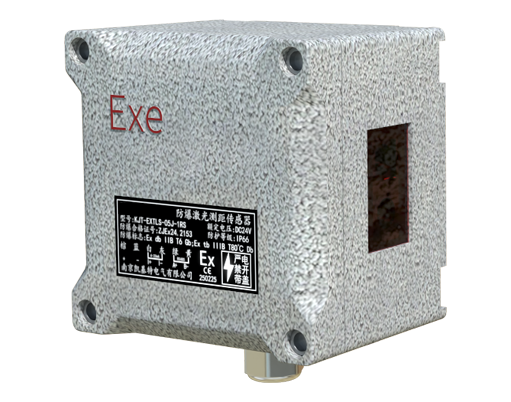
In practical terms, laser methane sensors are revolutionizing safety protocols and regulatory compliance. In the oil and gas industry, they are deployed for fugitive emission detection at wellheads, compressor stations, and storage facilities, helping companies meet stringent environmental standards like the EPA's methane rules. Mining operations utilize these sensors to monitor methane buildup in coal seams, preventing explosive hazards and protecting worker safety. Municipalities leverage them in wastewater treatment plants to track biogas production and in smart city projects to monitor urban air quality. Moreover, their fast response time—often under one second—makes them ideal for leak detection in confined spaces or during emergency scenarios.
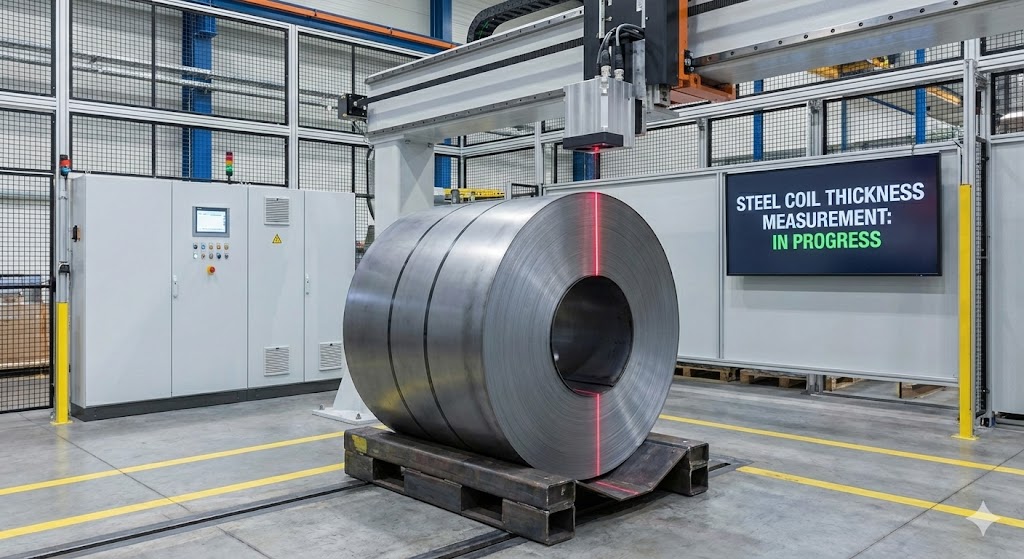
Despite their advantages, challenges persist, such as higher initial costs compared to traditional sensors and sensitivity to extreme environmental conditions like heavy dust or fog. However, ongoing research in quantum cascade lasers and machine learning algorithms for data analysis is poised to address these limitations, further boosting performance and affordability. Industry collaborations are also driving standardization efforts, ensuring sensor interoperability and reliability across global markets.
In conclusion, laser methane sensors represent a paradigm shift in gas detection technology, combining scientific sophistication with practical utility. As industries worldwide intensify their focus on safety and sustainability, the adoption of these advanced sensors is set to grow, fostering a safer, cleaner future. Engineers and stakeholders are encouraged to stay abreast of these developments, integrating laser-based solutions into their operational frameworks to enhance efficiency and mitigate risks effectively.