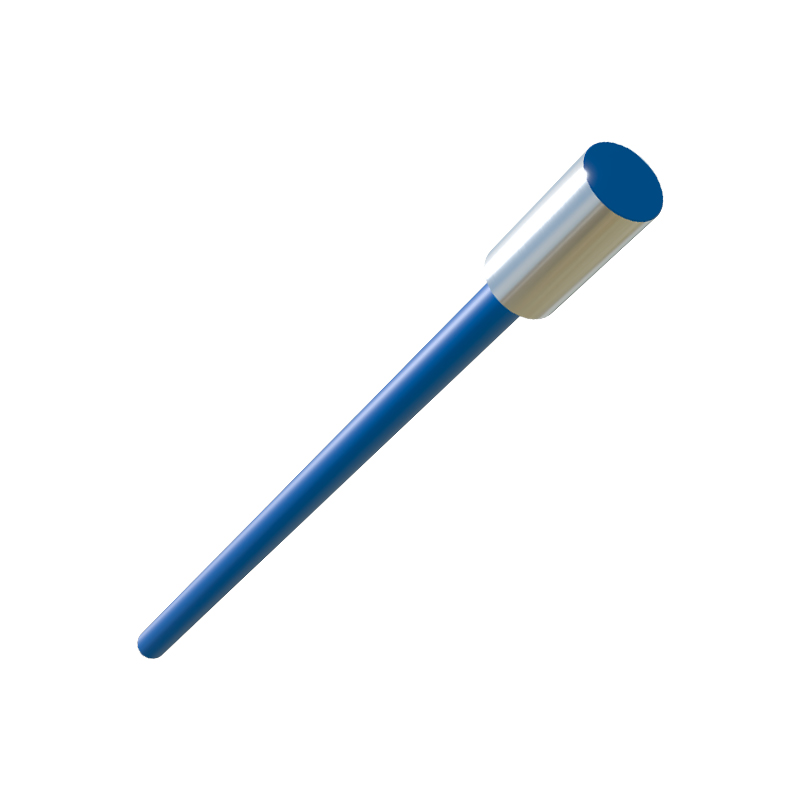
In the intricate world of industrial automation, where precision, reliability, and safety are paramount, proximity switch key sensors operate as fundamental, yet often overlooked, components. These non-contact sensing devices are engineered to detect the presence or absence of a target object without any physical contact, triggering an electrical signal that forms the backbone of countless control systems. Unlike mechanical limit switches that rely on physical actuation, proximity sensors offer a silent, wear-free, and highly repeatable solution, making them indispensable in modern manufacturing, packaging, material handling, and automotive assembly lines.
The core technology behind these sensors varies, primarily categorized into inductive, capacitive, and magnetic types, each suited for specific applications. Inductive proximity sensors are the workhorses for detecting metallic objects. They generate an electromagnetic field; when a ferrous or non-ferrous metal enters this field, it causes a change in oscillation amplitude, which the sensor's circuitry detects and converts into a switching signal. Their robustness makes them ideal for harsh environments with dust, oil, or coolant mist. Capacitive sensors, on the other hand, can detect nearly any material—metals, plastics, liquids, powders, or wood. They function by measuring changes in capacitance caused by the presence of a target material altering an electrostatic field. This versatility finds them in applications like liquid level detection, transparent film sensing, or non-metallic object counting. Magnetic proximity sensors, often referred to as reed switches or Hall-effect sensors, are specifically designed to detect permanent magnets. They are commonly used for detecting the position of cylinders in pneumatic systems or in safety door interlocks.
The design of a proximity switch key sensor is a marvel of engineering miniaturization and durability. Housed typically in cylindrical or rectangular, rugged metal or polymer bodies, they are built to withstand significant mechanical stress, temperature extremes, and exposure to industrial chemicals. Key specifications that engineers meticulously evaluate include sensing distance (nominal and effective), repeat accuracy, response frequency, output type (PNP/NPN, NO/NC), and housing material. The "key" or actuator itself is not a physical button but the target object whose approach is sensed. This could be a machine part, a pallet on a conveyor, a robot arm, or a coded magnet.
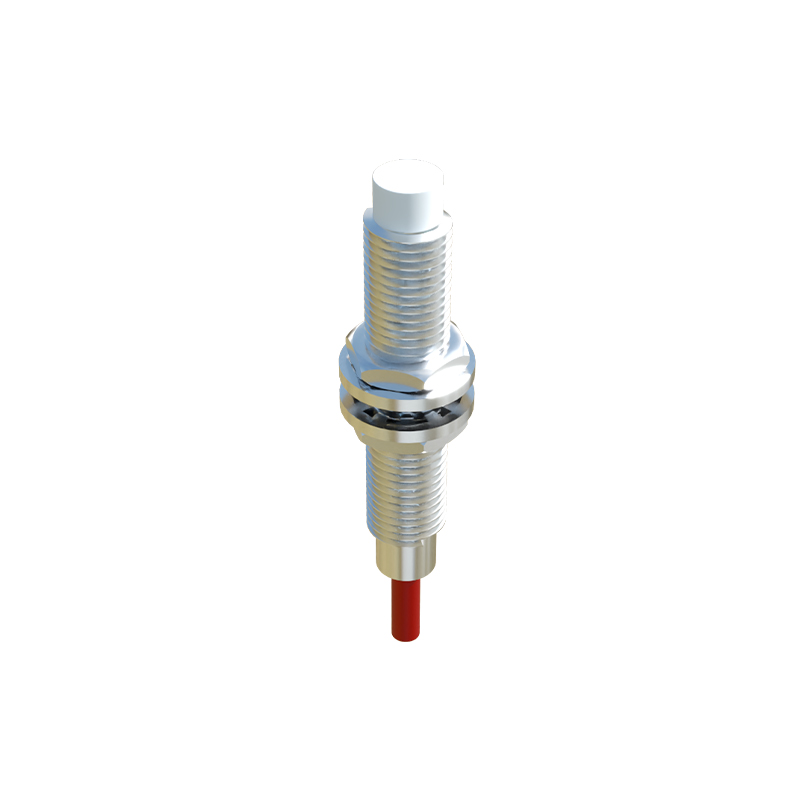
The advantages of implementing proximity sensors are substantial. Their non-contact nature eliminates mechanical wear and tear, dramatically increasing service life and reducing maintenance costs. They provide high-speed operation, capable of detecting objects at frequencies exceeding several kilohertz, which is crucial for high-speed production lines. Furthermore, they are inherently safe for use in explosive atmospheres when properly certified, as they do not produce sparks. Their solid-state design ensures consistent performance with minimal drift over time, providing reliable signals for Programmable Logic Controllers (PLCs) and other control units.
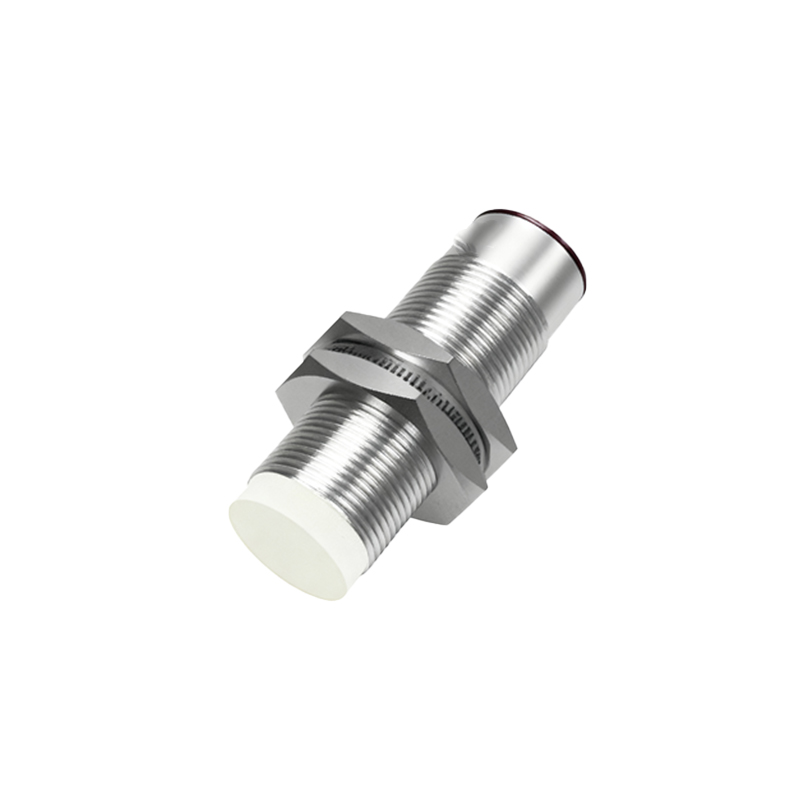
However, selecting the right sensor requires careful consideration of the application environment. Factors such as the target material composition, size, required sensing distance, ambient temperature, presence of other electromagnetic interference, and required IP (Ingress Protection) rating for dust and water resistance must all be analyzed. Incorrect selection can lead to false triggering, reduced sensing range, or premature failure. For instance, using a standard inductive sensor to detect aluminum may require a reduced sensing distance compared to steel, and sensing a very small target might necessitate a sensor with a specialized face design.
In conclusion, proximity switch key sensors are critical enablers of automation, providing the essential "eyes" for machinery. Their ability to deliver precise, reliable, and contactless detection forms the silent language through which machines understand their operational world. From ensuring a robotic gripper has picked up a component to verifying a safety guard is closed, their role is foundational. As Industry 4.0 and the Industrial Internet of Things (IIoT) advance, these sensors are evolving with enhanced diagnostics, IO-Link communication for parameter setting and condition monitoring, and smarter integration into networked systems. For any engineer designing, maintaining, or optimizing an automated system, a deep understanding of proximity sensor technology is not just beneficial—it is essential for building efficient, safe, and intelligent industrial operations.