In the realm of industrial automation and electronic control systems, one frequently encounters the question: "Are there proximity sensors?" The answer is a definitive yes. Proximity sensors are not only prevalent but are fundamental components that have revolutionized how machines interact with their environment without physical contact. These devices detect the presence or absence of an object within a specific range, triggering an output signal. Their operation hinges on various principles, primarily electromagnetic fields, capacitance, or light, which allows for detection without any mechanical contact, thereby minimizing wear and tear and enhancing reliability.
The most common types include inductive proximity sensors, which detect metallic objects through changes in an electromagnetic field; capacitive proximity sensors, capable of detecting both metallic and non-metallic materials by sensing changes in capacitance; and photoelectric sensors, which use a beam of light to detect objects. Each type serves distinct applications based on material properties, required sensing distance, and environmental conditions. For instance, inductive sensors are staples in manufacturing lines for metal part detection, while capacitive sensors are invaluable in liquid level detection or plastic material handling.
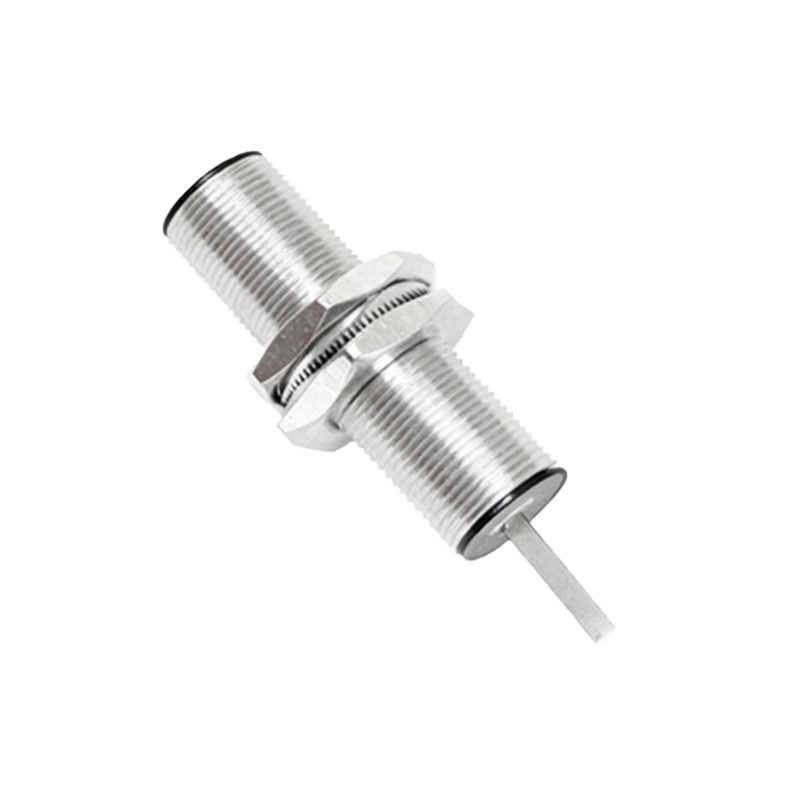
The integration of proximity sensors into industrial systems offers immense benefits. They contribute significantly to automation efficiency by enabling precise positioning, counting, and inspection tasks. In automotive assembly lines, for example, these sensors ensure components are correctly aligned before robotic welding. In packaging machinery, they verify the presence of products on conveyor belts, preventing jams and ensuring smooth operation. Their non-contact nature is particularly crucial in harsh environments where dust, moisture, or extreme temperatures might compromise mechanical switches.
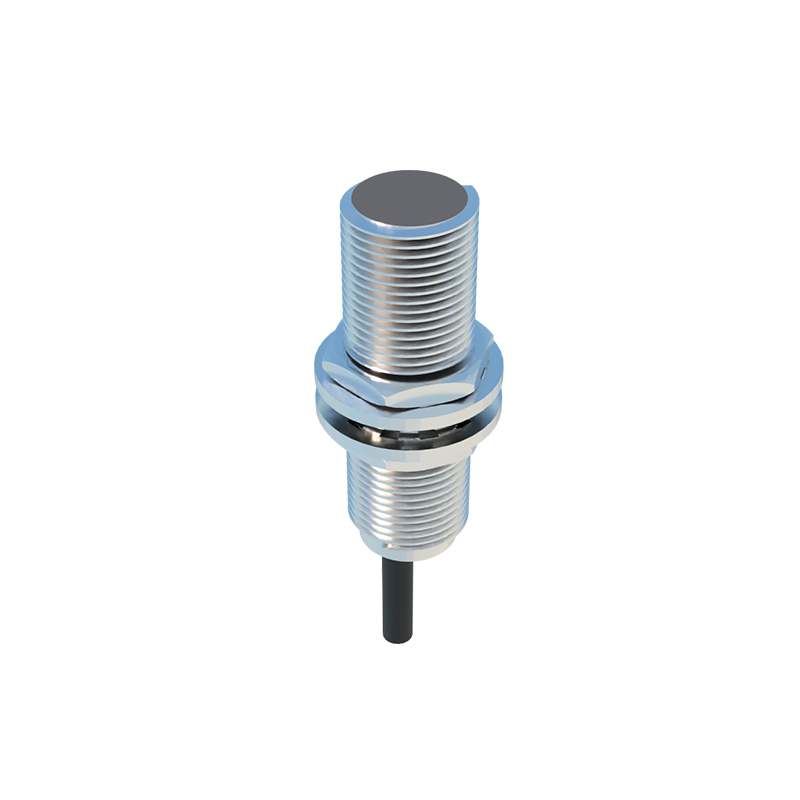
Furthermore, advancements in technology have led to the development of more sophisticated proximity sensors with enhanced features. Modern variants offer improved sensing ranges, higher switching frequencies, and robust designs with IP67 or higher ratings for resistance to water and dust. Some are equipped with IO-Link communication capabilities, allowing for parameter setting, diagnostics, and integration into Industry 4.0 frameworks for predictive maintenance and data analytics. This connectivity transforms simple detection tasks into sources of valuable operational data.
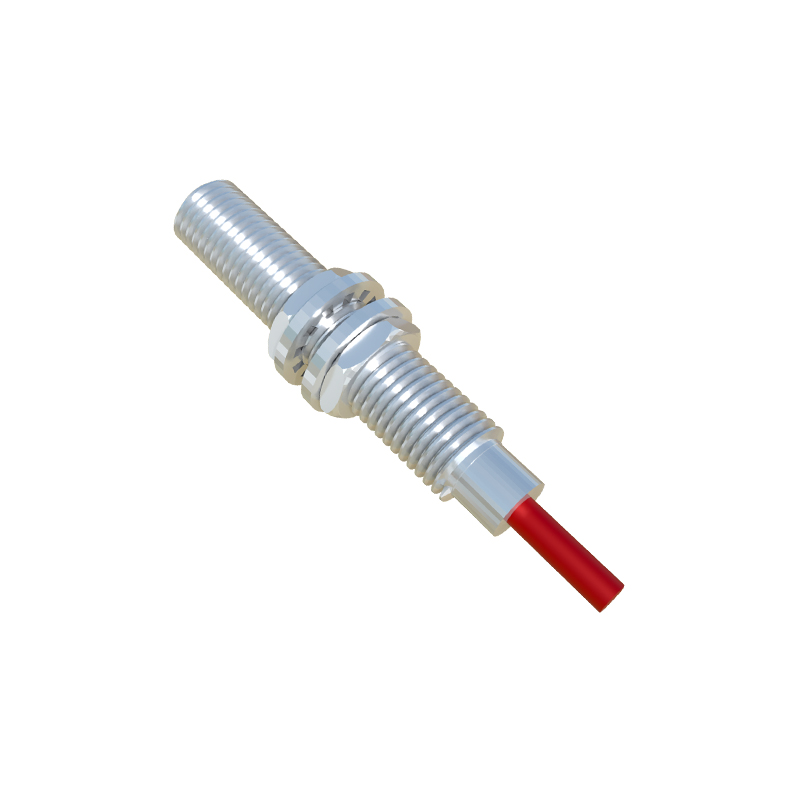
When selecting a proximity sensor for a specific application, engineers must consider several key parameters. The sensing distance, or nominal range, must be appropriate for the application to avoid false triggers or missed detections. The target material's properties directly influence the choice between inductive, capacitive, or photoelectric types. Environmental factors such as temperature extremes, presence of chemicals, or electromagnetic interference necessitate sensors with suitable housing materials and shielding. Additionally, the output type—whether NPN, PNP, analog, or a digital protocol—must be compatible with the control system, such as a PLC (Programmable Logic Controller).
Installation and wiring are critical for optimal performance. Proper alignment between the sensor and the target is essential, as is ensuring that metal objects in the vicinity do not cause interference, especially for inductive sensors. Adequate power supply and correct wiring according to datasheet specifications prevent damage and ensure reliable operation. Regular maintenance, though minimal due to their solid-state design, involves checking for physical damage, cleaning the sensing face, and verifying performance through diagnostic indicators often present on the devices.
In conclusion, proximity sensors are indispensable in contemporary electrical and automation engineering. Their ability to provide reliable, non-contact detection drives efficiency, safety, and intelligence across countless industries, from manufacturing and automotive to food processing and pharmaceuticals. As technology progresses, these sensors will continue to evolve, offering greater precision, connectivity, and adaptability, further cementing their role as critical enablers of modern industrial automation. The question is not whether they exist, but how optimally they can be deployed to solve complex engineering challenges.