AC two-wire proximity sensors are fundamental components in modern industrial automation, offering a simplified and cost-effective solution for object detection without physical contact. Unlike their three-wire counterparts, which require separate power, output, and ground connections, two-wire sensors integrate directly into the AC load circuit. This design significantly reduces wiring complexity and installation time, making them a preferred choice for many control applications, especially in retrofitting existing systems.
The operational principle of an AC two-wire proximity sensor is based on electromagnetic induction. The sensor contains an oscillator circuit that generates a high-frequency electromagnetic field from the alternating current supply. When a metallic target enters this detection field, eddy currents are induced in the target, causing a change in the oscillator's amplitude. This change is detected by the subsequent circuitry, which triggers a switching action. The key innovation in the two-wire design is that the same two wires are used to power the sensor and to carry the switched load current. In the "off" state, a small leakage current (typically a few milliamperes) is required to maintain the sensor's internal electronics. When activated, the sensor allows the full load current to pass through, completing the circuit to the connected device, such as a relay coil, contactor, or indicator lamp.
One of the primary advantages of AC two-wire sensors is their straightforward integration. They can be wired in series with the load, similar to a traditional mechanical switch. This plug-and-play compatibility with standard AC control circuits is a major benefit. Common supply voltages range from 20V AC to 250V AC, with 120V AC and 240V AC being industry standards. The load current capacity is a critical specification, usually between 5mA and 1A, ensuring they can drive most industrial pilot devices. Designers must pay close attention to the minimum load current requirement; if the connected load draws less current than the sensor's minimum requirement, the sensor may not switch off reliably, leading to a residual voltage that can keep the load partially energized.
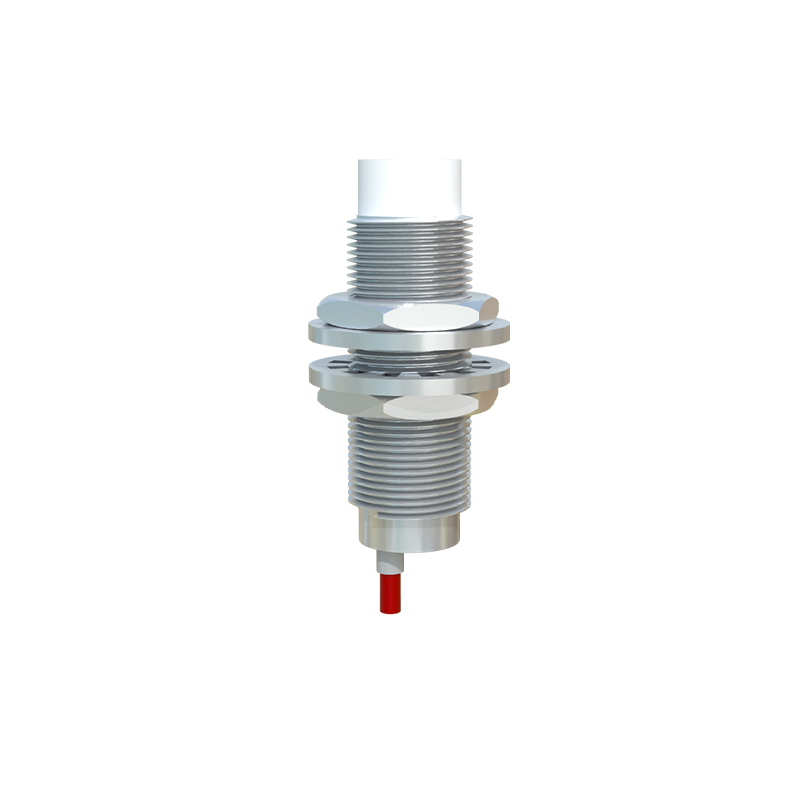
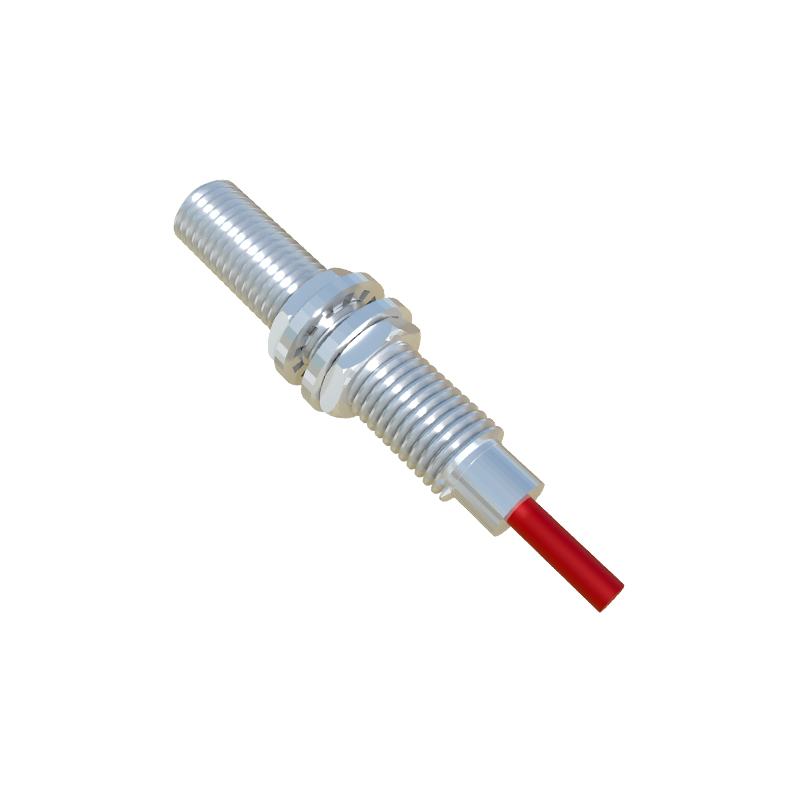
Applications for these sensors are vast. They are extensively used on machine tools for detecting the position of tool holders, slides, and workpieces. In material handling, they monitor the presence of packages on conveyors or the position of pallets. Their robust construction, often featuring nickel-plated brass or stainless-steel housings with IP67 or higher ingress protection ratings, makes them suitable for harsh environments with dust, moisture, and vibration.
However, certain limitations must be considered. The voltage drop across the sensor in the "on" state, though small, can be a factor in precision circuits. Furthermore, their switching frequency is generally lower than that of DC three-wire sensors, which may limit use in high-speed counting applications. Careful circuit design is also necessary to avoid issues with inrush currents from inductive loads like contactors, which might require the use of protective snubber circuits.
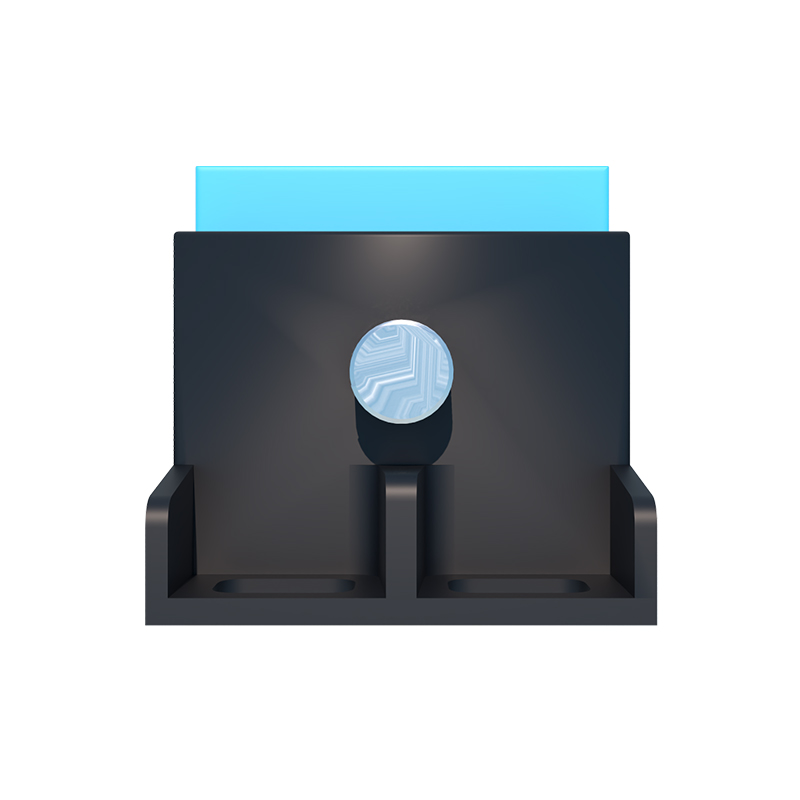
When selecting an AC two-wire proximity sensor, engineers must evaluate key parameters: the sensing distance (rated operational distance), the type of target material (ferrous metals are typically detected at greater distances), the housing style (cylindrical, rectangular, or slot-type), and the output configuration (normally open or normally closed). Proper installation is crucial; maintaining the recommended clearance around the sensor face prevents false triggers from adjacent metal structures.
In summary, AC two-wire proximity sensors represent an elegant and efficient solution for converting traditional AC switch circuits into non-contact detection systems. Their simplicity, durability, and direct compatibility with AC power lines ensure their continued relevance in factory automation, contributing to enhanced safety, reliability, and maintenance efficiency. As industrial networks evolve, these sensors remain a vital link between physical processes and control logic.