In the realm of industrial automation and machinery, short proximity switch sensors stand as fundamental components for non-contact detection and position sensing. These devices, often simply called proximity sensors or proximity switches, are engineered to detect the presence or absence of an object within a very short range without any physical contact. This article delves into their operating principles, key types, diverse applications, and critical factors for selection, providing a comprehensive overview for engineers and technicians.
The core principle behind inductive short proximity switches, the most common type, is electromagnetic induction. The sensor contains an oscillator circuit that generates a high-frequency electromagnetic field at its active face. When a metallic object (the target) enters this field, eddy currents are induced on the object's surface. These currents absorb energy from the oscillator, causing a change in its amplitude. This change is detected by a threshold circuit, which subsequently triggers a solid-state switch to change the output state (e.g., from OFF to ON). The sensing distance, or nominal range, for these short-range sensors is typically defined from a few millimeters up to about 15-20 mm, depending on the sensor's size and design. It's crucial to note that this rated sensing distance (Sn) is specified for a standard target made of mild steel. For other metals like aluminum, brass, or stainless steel, a correction factor must be applied, as the effective sensing distance is reduced.
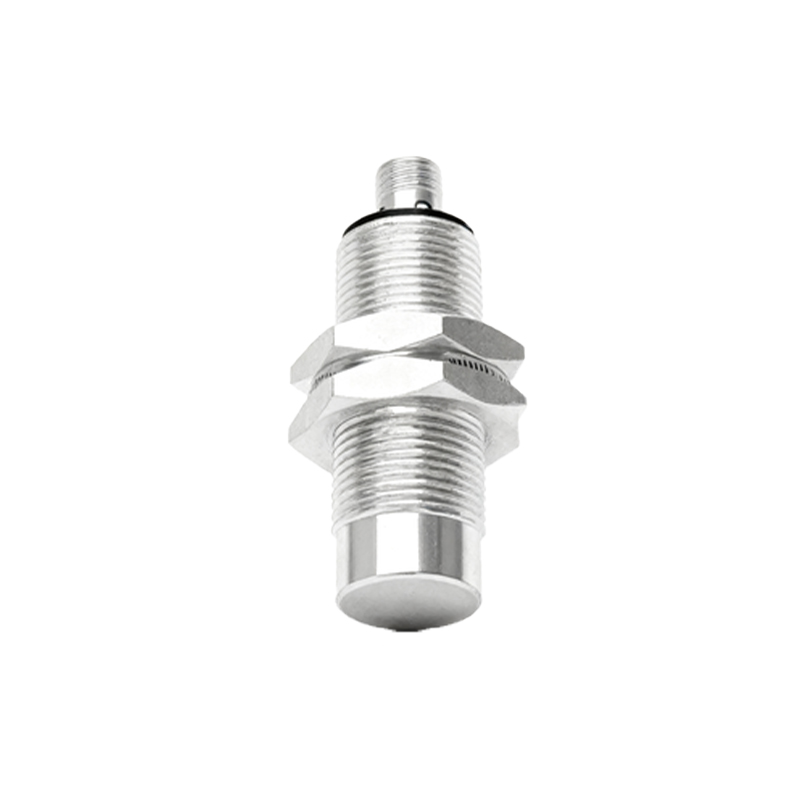
Beyond the inductive type, other technologies cater to different target materials. Capacitive proximity switches can detect both metallic and non-metallic objects (plastics, wood, liquids, powders) by sensing changes in capacitance. Ultrasonic sensors use sound waves for detection and can handle various materials, often offering slightly longer ranges. Photoelectric sensors, while sometimes categorized separately, function as proximity devices using light beams. Each technology has its niche, but inductive sensors remain the workhorse for metal detection in harsh industrial environments due to their robustness, speed, and reliability.
The applications for short proximity switches are vast and integral to modern manufacturing. They are ubiquitously used for end-position detection of cylinders in pneumatic and hydraulic systems, providing feedback on whether a piston is fully extended or retracted. In conveyor systems, they count objects, control sorting gates, and detect jams. On machine tools, they serve as limit switches to prevent over-travel, verify the presence of a part in a fixture, or monitor tool position. In automated assembly, they ensure components are correctly positioned before a process step, such as welding or screwing, commences. Their sealed, solid-state design makes them ideal for dirty, wet, or oily conditions where mechanical limit switches would fail prematurely.
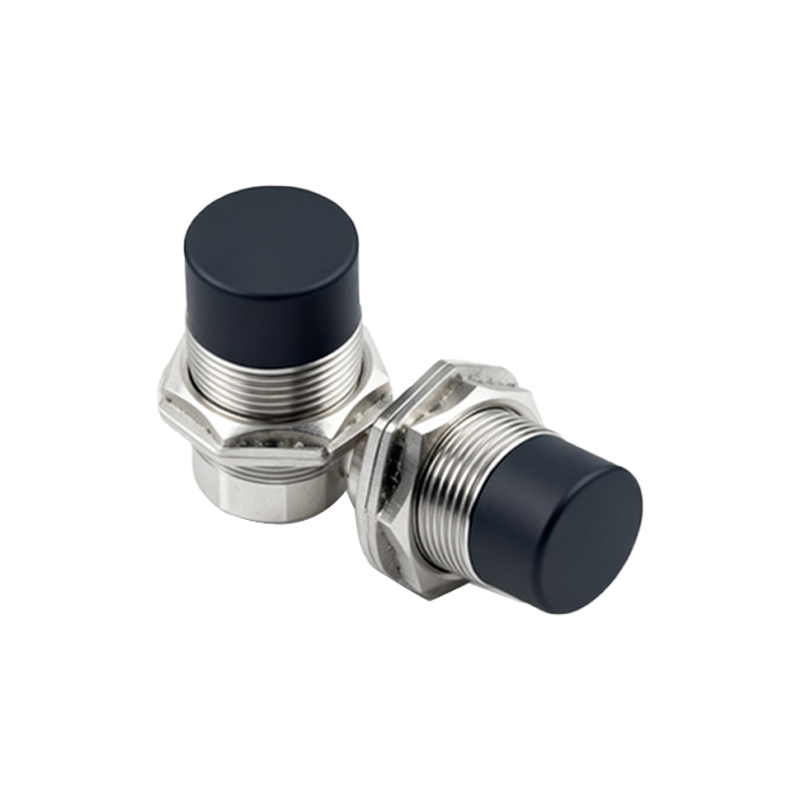
Selecting the right short proximity sensor requires careful consideration of several parameters. First, the target material dictates the sensor type: inductive for metals, capacitive for a broader range. The required sensing distance must be chosen with a safety margin, typically 70-80% of the nominal range to account for installation tolerances and temperature variations. The sensor's housing style is critical: cylindrical threaded barrels (e.g., M8, M12, M18, M30) are common for easy mounting, while rectangular or block-style housings suit specific fixtures. Environmental factors like temperature extremes, presence of cutting fluids, coolants, or weld spatter necessitate sensors with appropriate IP (Ingress Protection) ratings, such as IP67 or IP69K. The electrical output is another key decision: DC models with PNP (sourcing) or NPN (sinking) transistor outputs are standard for programmable logic controller (PLC) interfaces, while some applications may require analog current/voltage outputs or AC two-wire versions. Finally, connection methods, such as pre-wired cables or quick-disconnect connectors, influence maintenance and replacement ease.
Installation and commissioning also demand attention. Maintaining the correct gap between the sensor face and the target is essential. Factors like lateral offset, target size (which should generally equal or exceed the sensor face diameter), and the presence of adjacent metal (which can cause shielding or mutual interference) must be considered during mounting. Many modern sensors feature LED indicators that show power status and output switching, greatly aiding in setup and troubleshooting.
In conclusion, short proximity switch sensors are indispensable for enabling precise, reliable, and maintenance-free automation. Their non-contact nature ensures long operational life and high-speed operation. By understanding the underlying technologies, application demands, and selection criteria outlined here, engineers can effectively integrate these sensors to enhance machine safety, improve process reliability, and boost overall productivity in virtually any industrial setting. Continuous advancements in miniaturization, sensing range, and integrated diagnostics promise to further expand their role in the evolving smart factory landscape.