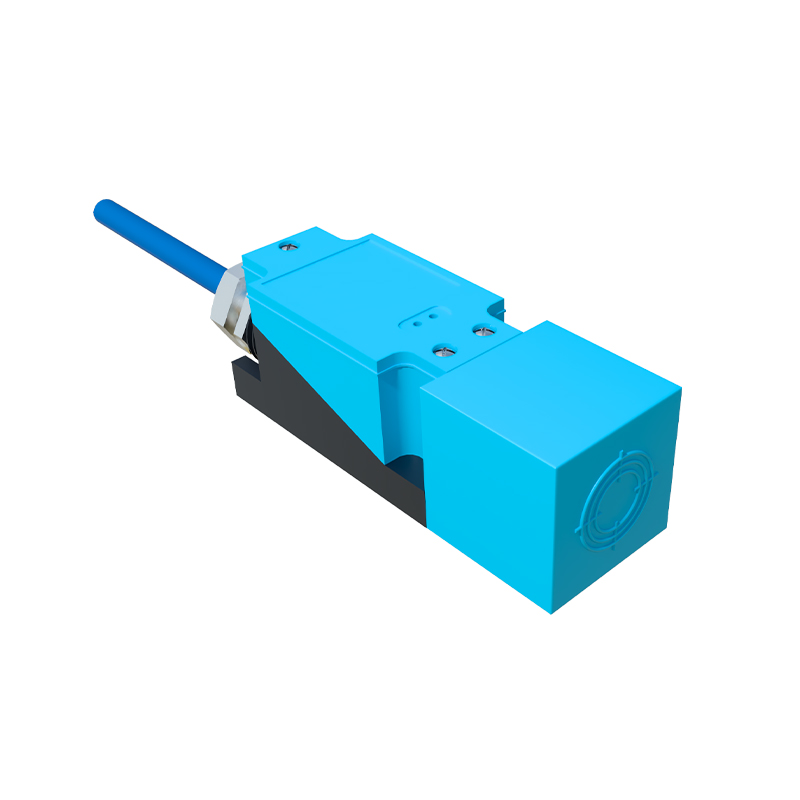
Proximity resistance sensors are essential components in modern industrial automation, offering reliable detection of objects without physical contact. These sensors operate by measuring changes in electrical resistance when a target object enters their sensing field. The technology behind proximity resistance sensors varies, leading to several distinct types, each suited for specific applications and environments. Understanding these variations is crucial for engineers and technicians to optimize system performance, ensure safety, and reduce maintenance costs. This article explores the primary types of proximity resistance sensors, detailing their working principles, advantages, and common use cases in the electrical and automation industries.
The first type is the inductive proximity sensor, which detects metallic objects through electromagnetic fields. It consists of a coil wound around a ferrite core, an oscillator, and a signal conditioning circuit. When a metal target approaches the sensor, eddy currents are induced in the target, causing a change in the oscillation amplitude. This change is converted into a switching signal, indicating the presence of the object. Inductive sensors are highly durable, resistant to environmental factors like dust and moisture, and ideal for harsh industrial settings. Common applications include position sensing in machinery, metal detection in conveyor systems, and safety interlocks in automated equipment. Their main limitation is that they only work with conductive materials, making them unsuitable for non-metallic objects.
Capacitive proximity sensors represent another significant category, capable of detecting both metallic and non-metallic materials. These sensors function by generating an electrostatic field between two electrodes. When an object enters this field, it alters the capacitance, triggering a response. Capacitive sensors are versatile and can sense materials such as plastics, liquids, and granular substances. They are often used in level detection for tanks, packaging industries for material presence verification, and touch-sensitive controls. However, they may be sensitive to environmental changes like humidity or temperature, requiring careful calibration. For optimal performance, engineers must consider factors like the dielectric constant of the target material and the sensor's mounting conditions.
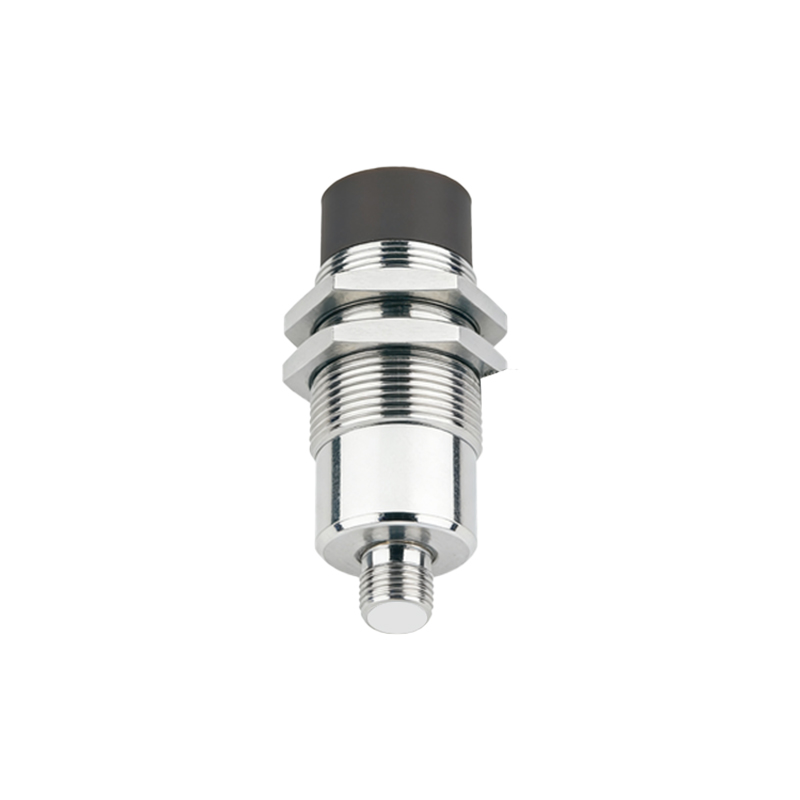
Ultrasonic proximity sensors utilize sound waves to detect objects, operating on the principle of echolocation. They emit high-frequency ultrasonic pulses and measure the time taken for the echo to return after hitting a target. This allows for precise distance measurement and detection of various materials, regardless of color or transparency. Ultrasonic sensors are effective in challenging environments with dust, smoke, or light interference, making them suitable for applications like liquid level monitoring, object counting, and collision avoidance in robotics. Their drawbacks include potential interference from air turbulence or soft materials that absorb sound, and they typically have a slower response time compared to inductive or capacitive types.
Photoelectric proximity sensors rely on light beams to sense objects, using a light emitter and a receiver. They come in three main configurations: through-beam, retro-reflective, and diffuse. Through-beam sensors have separate emitter and receiver units, offering long-range detection and high accuracy. Retro-reflective sensors use a reflector to bounce light back to the receiver, ideal for medium-range applications. Diffuse sensors detect objects by reflecting light directly off the target, suitable for short-range tasks. Photoelectric sensors are excellent for detecting small or fast-moving objects, and they work with diverse materials, including glass and liquids. Common uses include packaging lines, automated assembly, and security systems. Limitations include susceptibility to ambient light or dirty lenses, which can affect reliability.
Magnetic proximity sensors detect magnetic fields, often using reed switches or Hall effect sensors. Reed switches consist of two ferromagnetic blades sealed in a glass tube, which close when exposed to a magnetic field. Hall effect sensors generate a voltage proportional to the magnetic field strength. These sensors are simple, cost-effective, and immune to non-magnetic interference, making them perfect for applications like door position sensing, speed detection in motors, and fluid level switches. They are limited to use with magnetic targets and may have lower durability in high-vibration environments.
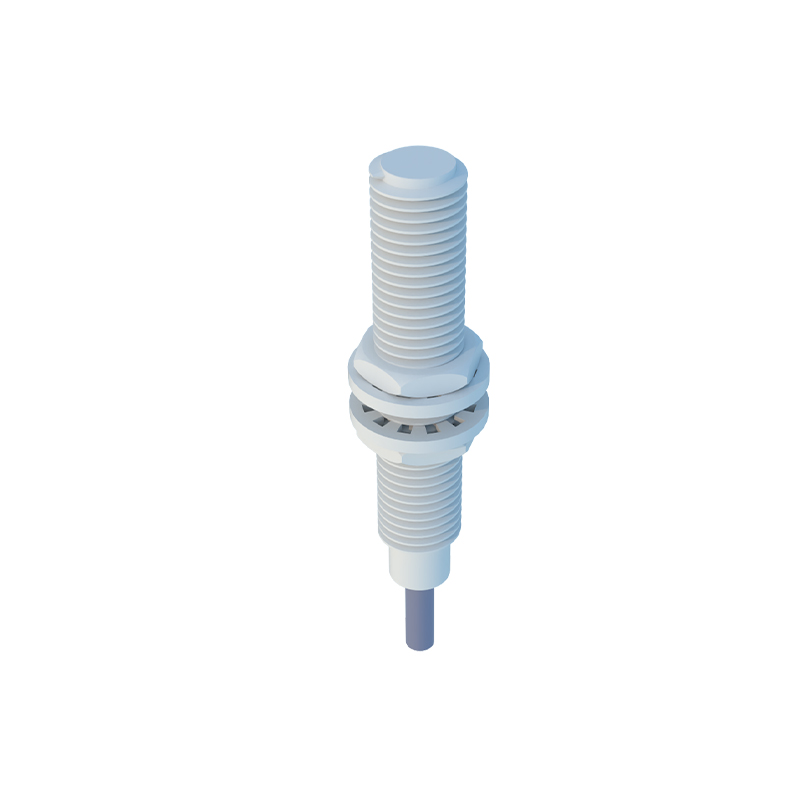
In summary, proximity resistance sensors encompass a range of technologies, each with unique strengths. Inductive sensors excel with metals in tough conditions, capacitive sensors offer material versatility, ultrasonic sensors provide distance-based detection, photoelectric sensors deliver precision with light, and magnetic sensors are reliable for magnetic targets. Selection depends on factors like target material, environmental conditions, range requirements, and cost. As industrial automation advances, these sensors continue to evolve, integrating smart features for enhanced connectivity and diagnostics. Engineers should stay informed on developments to leverage the right sensor type for optimal system efficiency and innovation.