In the realm of industrial gas monitoring, laser oxygen concentration sensors have emerged as a pivotal technology, offering unparalleled accuracy, reliability, and efficiency. These sensors operate on the principle of tunable diode laser absorption spectroscopy (TDLAS), a method that leverages the specific absorption characteristics of oxygen molecules when exposed to laser light at precise wavelengths. Unlike traditional electrochemical or zirconia-based sensors, laser sensors provide non-contact measurement, minimizing interference from other gases and environmental contaminants. This makes them exceptionally suitable for harsh industrial environments, such as combustion control in power plants, safety monitoring in chemical processing, and atmospheric analysis in pharmaceutical manufacturing.
The core mechanism involves directing a laser beam through the gas sample. Oxygen molecules absorb light at particular infrared wavelengths, and the degree of absorption is directly proportional to the oxygen concentration. Advanced signal processing algorithms analyze the attenuated laser light to deliver real-time, high-precision readings. One of the standout advantages is the elimination of cross-sensitivity to gases like carbon dioxide or water vapor, which often plague conventional sensors. Additionally, laser oxygen sensors require minimal maintenance, as they have no consumable parts or electrolytes that degrade over time, leading to reduced operational costs and enhanced system uptime.
In practical applications, these sensors are integral to optimizing combustion processes. By precisely monitoring oxygen levels in flue gases, industries can fine-tune fuel-to-air ratios, achieving complete combustion, which boosts energy efficiency and cuts greenhouse gas emissions. In safety-critical settings, such as oil refineries or semiconductor fabrication facilities, laser sensors provide rapid detection of oxygen deficiency or enrichment, preventing fire hazards or asphyxiation risks. Their fast response time—often in milliseconds—ensures immediate corrective actions, safeguarding both personnel and equipment.
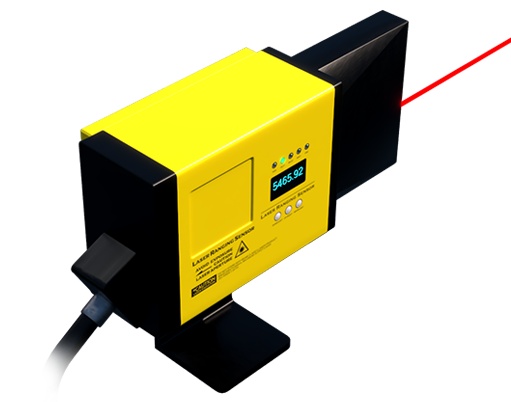
Moreover, the integration of laser oxygen sensors with IoT-enabled platforms allows for remote monitoring and data analytics. Engineers can access real-time trends, set automated alerts for threshold breaches, and perform predictive maintenance based on historical performance data. This connectivity aligns with Industry 4.0 initiatives, driving smarter, more autonomous industrial operations. Despite the higher initial investment compared to traditional sensors, the long-term benefits in accuracy, durability, and operational savings justify the adoption. As industries worldwide prioritize sustainability and safety, laser oxygen concentration sensors are poised to become a standard in advanced gas monitoring solutions, paving the way for more efficient and secure industrial ecosystems.