In industrial automation and control systems, M30 proximity sensor switches are widely used for their durability, precision, and reliability in detecting objects without physical contact. A common question among engineers and maintenance personnel is whether these sensors can be disassembled for repair, customization, or inspection. This article explores the disassembly feasibility of M30 proximity sensors, considering design, safety, and practical implications.
M30 proximity sensors are typically housed in robust, cylindrical metal or plastic casings with a standard 30mm diameter. The construction is designed to meet IP67 or higher ingress protection ratings, ensuring resistance to dust, water, and harsh industrial environments. Internally, they consist of key components: a sensing coil, oscillator circuit, signal amplifier, and output switching element, all encapsulated to prevent tampering and environmental damage. Most manufacturers, such as Siemens, Omron, and Pepperl+Fuchs, design these sensors as non-serviceable units to maintain integrity and safety. Disassembly often voids warranties and may compromise performance, as breaking the seal can expose internal parts to contaminants, leading to malfunction or failure.
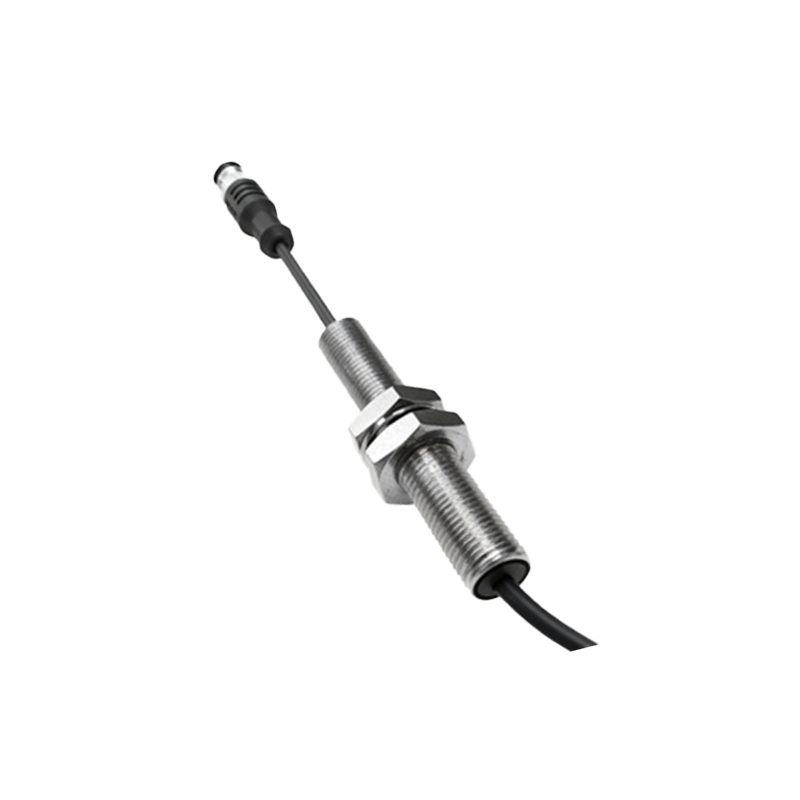
From a technical standpoint, some M30 sensors feature threaded housings or screw-on caps that might suggest disassembly is possible. However, attempting to open them without proper tools or expertise risks damaging sensitive electronics. For instance, the inductive or capacitive sensing elements are calibrated during manufacturing; any disruption can alter detection ranges or accuracy. Moreover, reassembly may not restore the original IP rating, making the sensor unsuitable for demanding applications. In rare cases, specialized models with modular designs allow limited access for component replacement, but this is not standard for most off-the-shelf M30 sensors.
Safety is a critical consideration. Proximity sensors often operate in high-voltage or hazardous areas, and improper disassembly can lead to electrical shocks or short circuits. Engineers should consult the manufacturer's documentation, which typically advises against opening the device. Instead, for issues like wiring faults or mounting problems, it's recommended to troubleshoot externally or replace the entire unit. If disassembly is absolutely necessary—for example, in custom prototyping or salvage operations—precautions include disconnecting power, using anti-static equipment, and following detailed guides if available.
In practice, the cost-benefit analysis favors replacement over repair. M30 sensors are relatively affordable and mass-produced, so disassembling them for minor fixes is often less economical than installing a new one. This approach also reduces downtime and ensures system reliability. However, for educational or experimental purposes, carefully opening a defective sensor can provide insights into its workings, though this should be done with caution and an understanding of the risks.
Overall, while M30 proximity sensor switches are technically disassemblable in some cases, it is generally not advised due to design constraints, safety hazards, and potential performance loss. Engineers should prioritize following manufacturer guidelines and consider replacement as the standard solution for maintenance needs.