In the realm of industrial automation and precision engineering, small spot laser sensors have emerged as indispensable tools for achieving high-accuracy measurements. These sensors utilize focused laser beams to detect minute changes in position, distance, or surface characteristics, enabling applications that demand micron-level precision. Unlike conventional sensors, small spot laser sensors excel in environments where space constraints or complex geometries pose challenges, offering non-contact measurement capabilities that minimize wear and ensure long-term reliability.
The core technology behind these sensors involves the emission of a coherent laser light, which is collimated into a fine beam—often as small as 10 to 100 micrometers in diameter. This concentrated spot allows for targeted inspection of specific features, such as edges, gaps, or textures, without interference from surrounding areas. Advanced models incorporate triangulation principles or time-of-flight methods to calculate distances with exceptional resolution. For instance, in semiconductor manufacturing, small spot laser sensors verify wafer alignment and thickness, while in automotive assembly, they ensure precise component fitting and quality control.
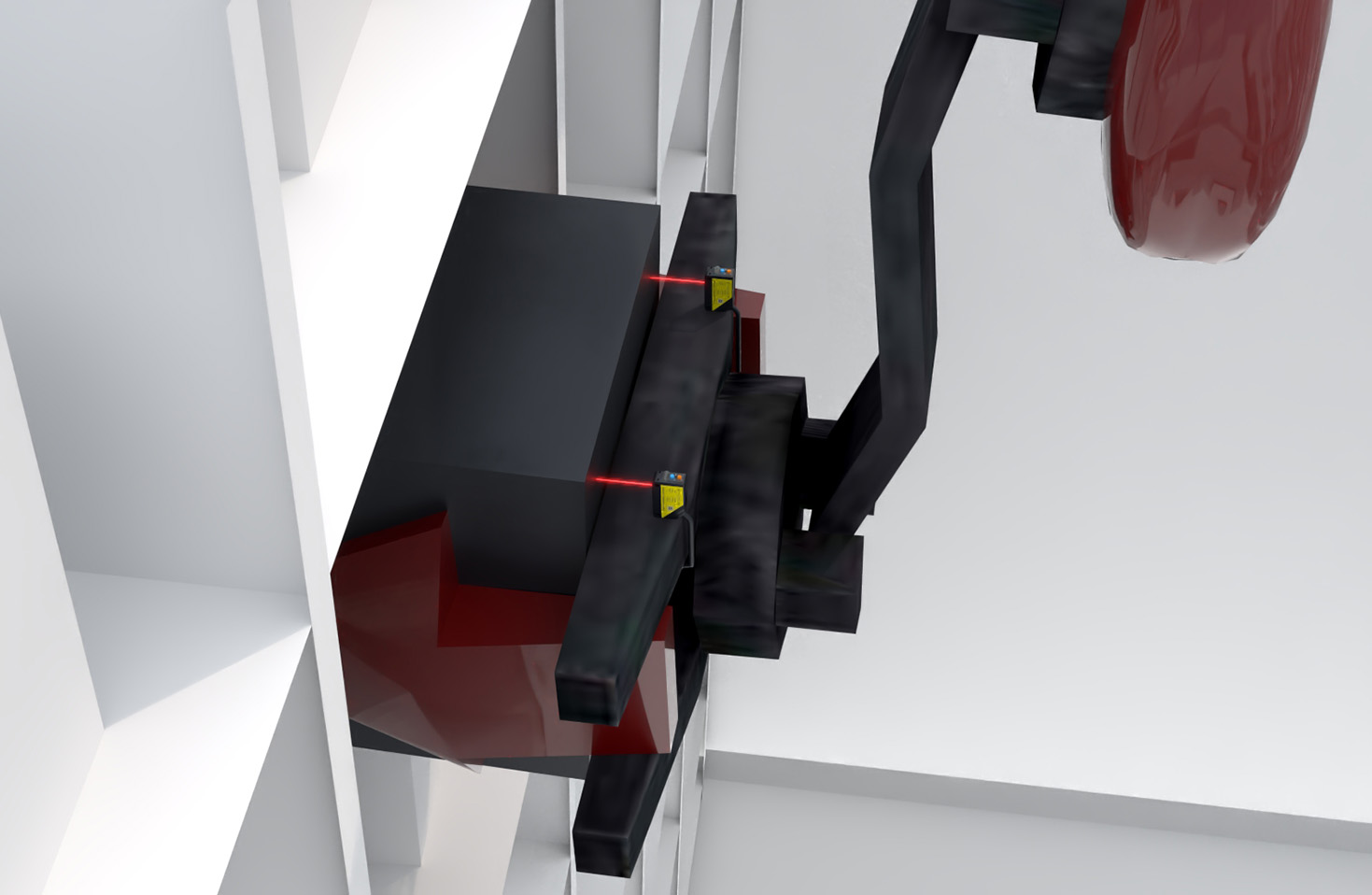
Key advantages of small spot laser sensors include their adaptability to diverse materials, from reflective metals to opaque plastics, and their ability to operate in harsh conditions with minimal maintenance. They are integral to robotics, where real-time feedback guides automated movements, and to medical device production, where sterility and accuracy are paramount. Moreover, integration with IoT systems allows for data logging and predictive analytics, enhancing process optimization across industries.
Despite their benefits, selecting the right sensor requires consideration of factors like spot size, working range, and environmental factors such as ambient light or vibration. Innovations continue to drive improvements, with developments in blue laser technology offering better performance on dark surfaces and compact designs enabling integration into portable devices. As industries evolve toward smarter, more efficient operations, small spot laser sensors will remain at the forefront, empowering engineers to tackle measurement challenges with confidence and precision.
In summary, these sensors represent a fusion of optical engineering and digital innovation, providing solutions that elevate productivity and quality standards. Their role in advancing automation and ensuring meticulous inspection underscores their value in today's competitive industrial landscape.