In modern industrial automation and safety systems, shielded door proximity sensors play a critical role. These sensors ensure the safe operation of machinery, protect personnel, and maintain process integrity by accurately detecting the position of doors, hatches, guards, and other movable barriers. Selecting the right sensor is not merely a matter of compatibility; it is a fundamental engineering decision impacting safety, reliability, and total cost of ownership. This guide delves into the key technical parameters, environmental considerations, and application-specific factors that engineers must evaluate for optimal shielded door proximity sensor selection.
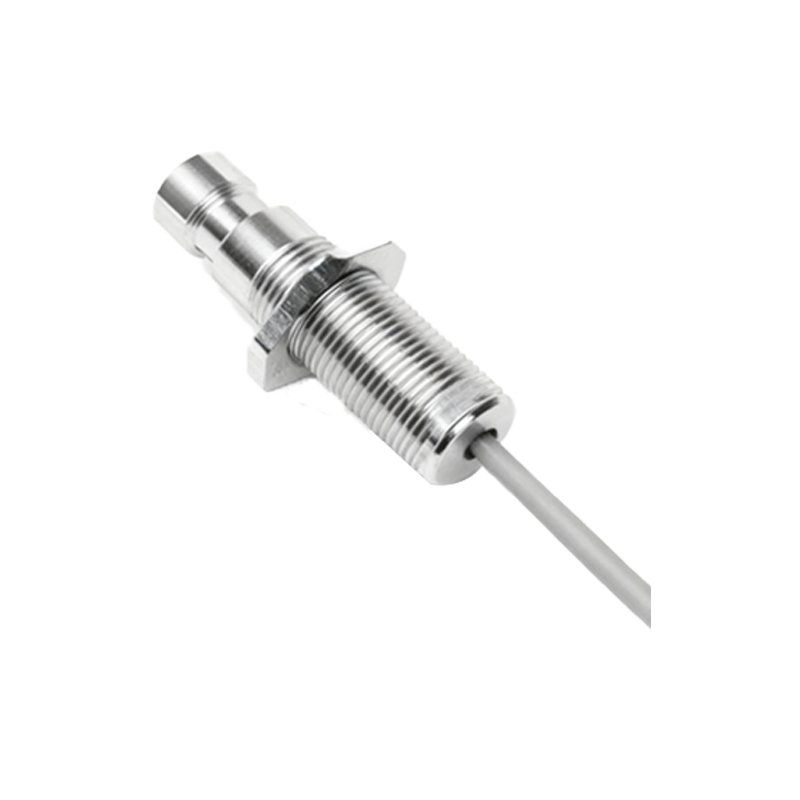
The primary function of a shielded door proximity sensor is to detect the presence or absence of a metallic target—typically the door or guard itself—without physical contact. They generate an electromagnetic field and react to the eddy currents induced in a conductive target. For shielded doors, the sensor is often mounted flush within a metal bracket or frame, hence the term "shielded" or "flush-mountable." This design minimizes the sensor's lateral sensing field, preventing false triggers from adjacent metallic objects, a crucial feature in densely packed control panels or machinery.
Key Selection Parameters:
1. Sensing Distance: This is the nominal range at which the sensor can reliably detect its specified target. For door applications, this distance is typically short (e.g., 2mm to 15mm). It is vital to choose a sensor with a sensing distance slightly greater than the maximum possible air gap between the sensor face and the target door in its closed position, accounting for mechanical tolerances, vibration, and wear. Never operate a sensor at its absolute maximum rated distance.
2. Target Material and Size: Standard inductive proximity sensors are calibrated for mild steel. If the door is made of stainless steel, aluminum, brass, or copper, the effective sensing distance is reduced. Manufacturers provide correction factors (often 0.5 for stainless steel, 0.3-0.4 for aluminum). The target must also be larger than the sensor's active face diameter to ensure consistent detection. A rule of thumb is that the target should be at least 1.5 times the sensor diameter for flush-mounted sensors.
3. Output Type and Electrical Characteristics:
Discrete Outputs: DC sensors offer NPN (sinking) or PNP (sourcing) transistor outputs. PNP (sourcing to the load) is more common in many regions and PLC input modules. The choice must match the control system's input card requirements.
Analog Outputs: Less common for simple door position detection but used if distance monitoring is required (e.g., detecting a door being ajar). Provides a continuous current (4-20mA) or voltage (0-10V) signal proportional to the target distance.
Voltage Rating: Common DC ratings are 10-30VDC. Ensure the supply voltage is stable and within range.
Current Rating: The sensor's output current must be sufficient to drive the connected load (e.g., PLC input, relay coil), with a safety margin.
4. Construction and Environmental Ratings:
Housing Material: Stainless steel (particularly V4A/AISI 316L) housings offer superior corrosion resistance for harsh environments (washdown, chemicals, outdoors). Nickel-plated brass or PBT plastic housings are suitable for general industrial use.
Ingress Protection (IP Rating): For door applications exposed to dust or liquids, a minimum of IP67 (dust-tight and protected against temporary immersion) is standard. IP69K is required for high-pressure, high-temperature washdown in food & beverage or pharmaceutical industries.
Temperature Range: Specify sensors with an operating temperature range that exceeds the ambient extremes of the application. High-temperature variants are available for ovens or foundries.
5. Safety Integrity: For doors that are part of a safety-related system (e.g., a guard door interlock on a robot cell), standard sensors are insufficient. You must select a device designed and certified for Safety (e.g., according to IEC 60947-5-3, Type 4 or with SIL 2/PL d ratings). These safety sensors incorporate redundant circuits, self-monitoring, and forced-guided contacts to prevent failure modes that could lead to a dangerous situation.
Application-Specific Considerations:
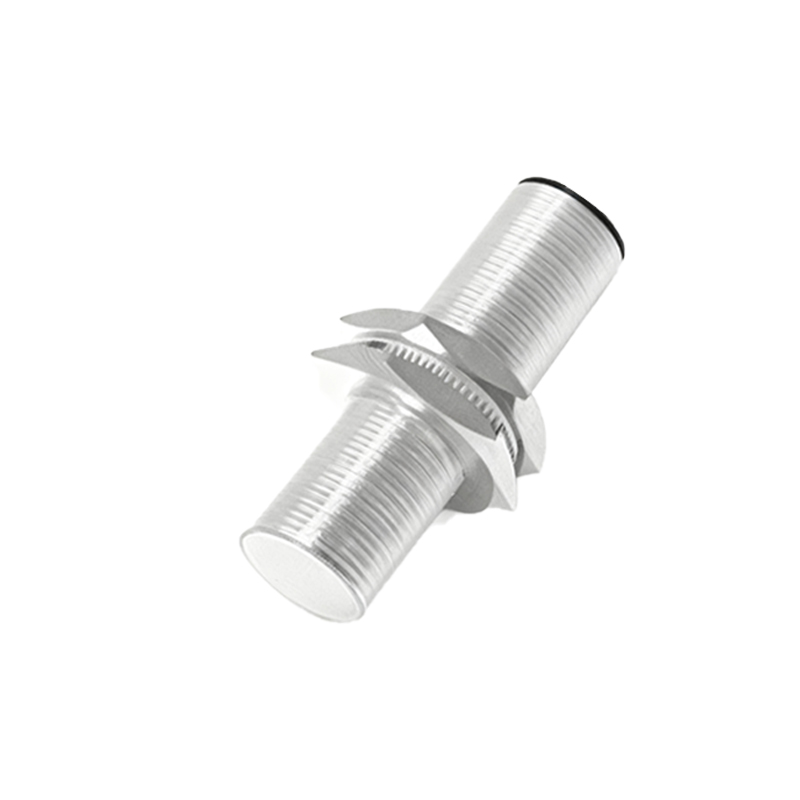
Mounting: Flush mounting in metal is standard for shielded doors. Ensure the mounting hole dimensions and thread (e.g., M8, M12, M18, M30) are precise. Non-flush mountable sensors should be avoided in metallic frames due to side-sensing effects.
Cable or Connector: Sensors come with integrated cables or quick-disconnect connectors (e.g., M12).