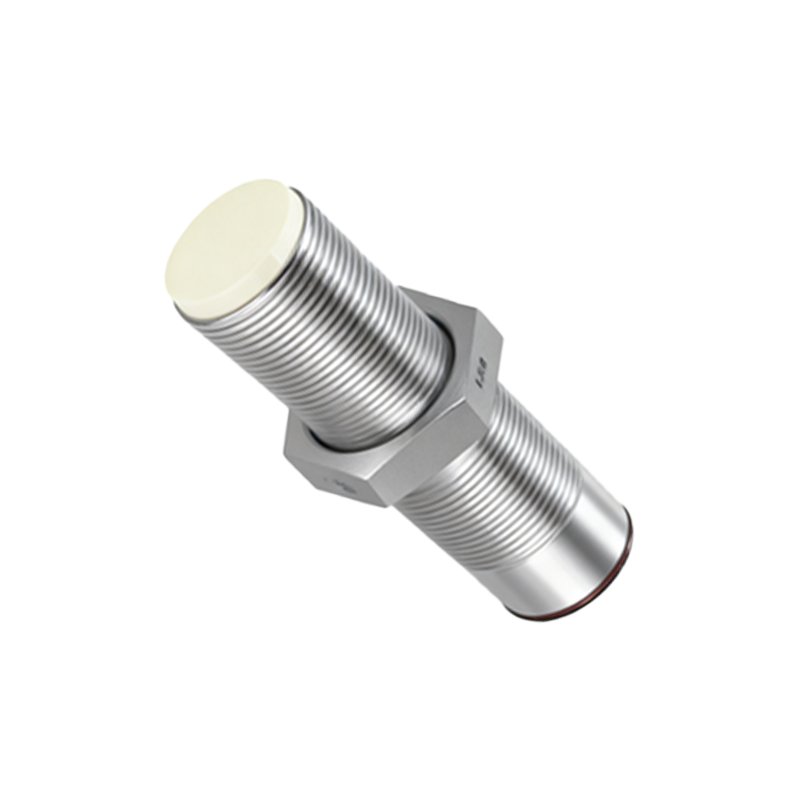
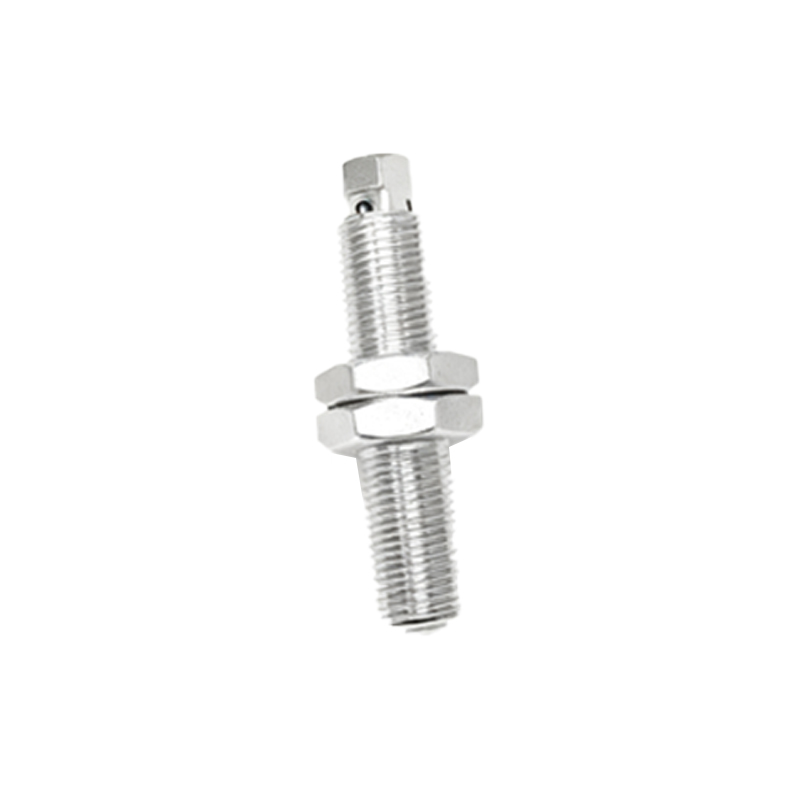
In the realm of industrial automation, proximity sensors play a critical role in ensuring efficient, reliable, and safe operations. These non-contact devices detect the presence or absence of objects, and their performance directly impacts productivity and system longevity. Identifying high-quality proximity sensors requires a deep understanding of key technical parameters, construction materials, and real-world application demands.
First and foremost, durability is a hallmark of superior proximity sensors. Industrial environments often expose equipment to extreme conditions, including temperature fluctuations, moisture, dust, and mechanical vibrations. Quality sensors are housed in robust casings, typically made from stainless steel (such as IP67 or IP69K-rated enclosures), which provide resistance against corrosion, physical impacts, and chemical exposure. The sensing face should be constructed from materials like PBT or PTFE to withstand abrasion and prevent false triggers. Additionally, internal components must be securely potted or shielded to endure shock and vibration, ensuring consistent operation in demanding settings like automotive assembly lines or heavy machinery.
Accuracy and repeatability are non-negotiable for premium proximity sensors. High-quality models exhibit minimal hysteresis and offer precise detection ranges, often with tolerances as tight as ±1% of the nominal sensing distance. This is achieved through advanced circuitry and stable oscillator designs that minimize drift over time. For instance, inductive sensors should maintain consistent performance regardless of target material variations (e.g., steel, aluminum, or copper), while capacitive sensors must reliably ignore environmental interference like humidity changes. Look for sensors with built-in temperature compensation and noise immunity features, which are essential for applications in food processing or pharmaceutical manufacturing where precision is paramount.
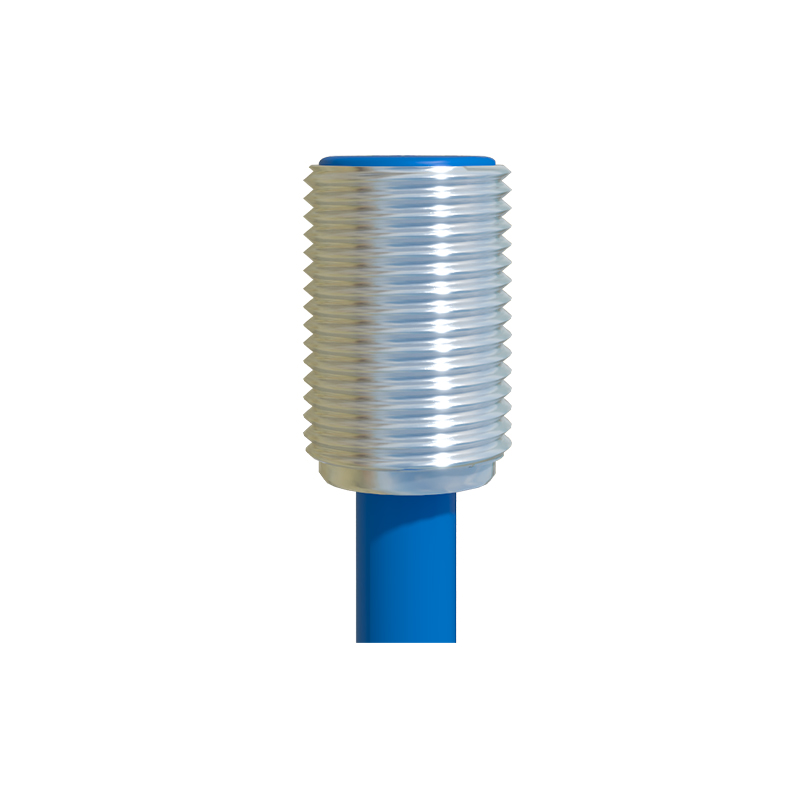
Electrical characteristics also define sensor quality. A well-engineered proximity sensor provides stable output signals (e.g., PNP/NPN, analog, or IO-Link) with low leakage current and high switching frequency. It should integrate protection against short-circuits, overloads, and reverse polarity to prevent downtime. Energy efficiency is another consideration; top-tier sensors consume minimal power without sacrificing response time, reducing overall system heat and operational costs. For example, in packaging machinery, fast-response sensors (with switching frequencies up to 5 kHz) enable high-speed object counting without missed detections.
Long-term reliability hinges on manufacturing standards and testing protocols. Reputable manufacturers adhere to international certifications like ISO 9001 and UL listings, conducting rigorous stress tests (e.g., thermal cycling, EMC compliance) before release. Quality sensors come with extended warranties and detailed datasheets that transparently outline performance limits. In practice, this translates to fewer replacements and maintenance interventions—critical for industries like mining or logistics, where sensor failure can halt entire production chains.
Finally, application-specific design enhances quality. Whether for weld-field immunity in robotic welding, high-temperature resistance in foundries, or hygienic construction in cleanrooms, the best sensors are tailored to niche requirements. Smart sensors with diagnostic capabilities (like predictive maintenance alerts) further elevate value by enabling proactive system management. By prioritizing these factors—durability, accuracy, electrical robustness, certified manufacturing, and adaptability—engineers can select proximity sensors that deliver optimal performance, reduce total cost of ownership, and bolster operational resilience in any industrial setting.