In the rapidly evolving landscape of industrial automation, the integration of laser sensors into motor starting systems represents a significant leap forward in precision, reliability, and operational intelligence. Traditional methods of initiating motor operation, often reliant on mechanical switches, timers, or basic proximity sensors, are increasingly being supplanted by advanced laser-based detection technologies. This transition is driven by the unparalleled accuracy and non-contact nature of laser sensors, which offer substantial benefits for critical applications ranging from conveyor systems and robotic arms to complex pump assemblies and precision manufacturing equipment.
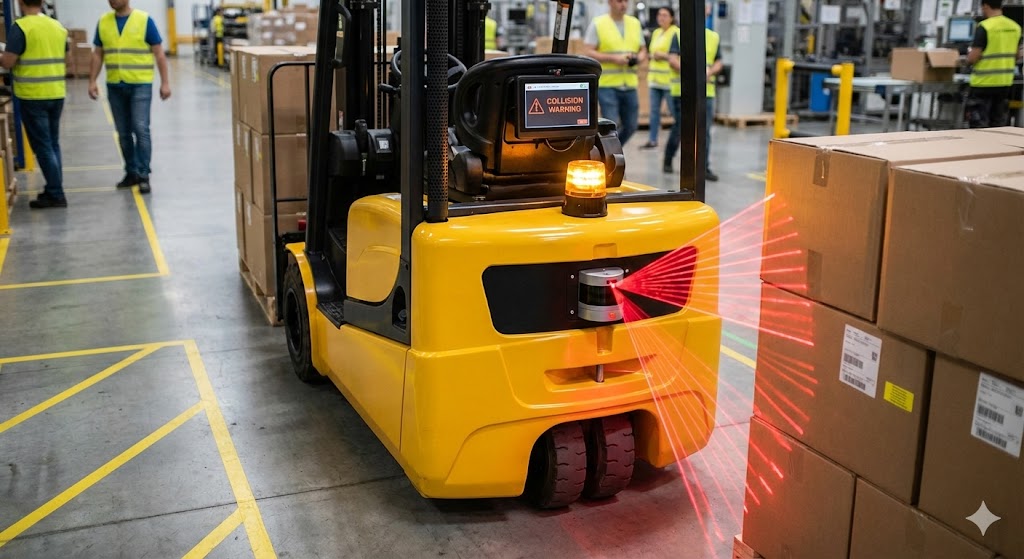
The fundamental principle behind using a laser sensor for motor starting is straightforward yet powerful. A laser emitter projects a focused beam of light towards a designated target area or object. A photodetector within the sensor unit then monitors for the presence or absence of the reflected beam. When an object interrupts this beam—such as a product arriving at a specific point on an assembly line, a robotic fixture reaching its home position, or a safety guard closing properly—the sensor sends an instantaneous, high-fidelity signal to the motor control unit. This signal acts as the definitive command to initiate the motor starting sequence. Unlike mechanical limit switches that suffer from wear and tear or inductive sensors with limited range and material sensitivity, laser sensors provide consistent, long-range detection with sub-millimeter accuracy, independent of the target material's color, texture, or metallic properties.
The advantages of this technology are manifold. Firstly, it enhances system precision and repeatability. The exact positioning required for process initiation is guaranteed, minimizing errors and product waste. In high-speed packaging lines, for instance, a laser sensor can detect the leading edge of a package with extreme accuracy, triggering the motor of a labeling or sealing mechanism at the perfect moment. Secondly, it improves operational safety and equipment longevity. As a non-contact solution, it eliminates physical impact and associated mechanical failures. Safety interlocks using laser sensors ensure motors only start when personnel are clear of a hazard zone or when machine components are correctly aligned, preventing catastrophic accidents.

Furthermore, laser sensors contribute to predictive maintenance and smarter system diagnostics. Modern laser sensors can provide analog output or digital data streams regarding signal strength and environmental conditions. A gradual decrease in reflected signal intensity might indicate lens fouling or misalignment, alerting maintenance teams before a failure causes unscheduled downtime. This data can be integrated into Industrial Internet of Things (IIoT) platforms, enabling a holistic view of motor health and starting cycle efficiency.
Implementing a laser sensor for motor starting requires careful consideration of several engineering factors. The selection of the appropriate sensor type—diffuse reflective for detecting objects at a specific distance, retro-reflective for longer ranges with a reflector, or through-beam for maximum reliability across the longest distances—is critical. Environmental conditions such as ambient light, dust, vibration, and temperature extremes must be evaluated, as they can influence sensor performance. Proper mounting, alignment, and integration with the motor starter—whether a direct-on-line (DOL) starter, soft starter, or variable frequency drive (VFD)—are essential for seamless operation. Shielding or using sensors with modulated laser light is often necessary to avoid interference from other light sources in busy industrial settings.
In conclusion, the adoption of laser sensor technology for motor starting is more than a simple component upgrade; it is a strategic enhancement that aligns with Industry 4.0 objectives. By delivering unmatched accuracy, enabling non-contact operation, and providing valuable diagnostic data, laser sensors transform motor starting from a basic functional task into a cornerstone of intelligent, efficient, and safe industrial automation. As sensor technology continues to advance, becoming more robust and cost-effective, its role in optimizing motor-driven processes will undoubtedly become standard practice across a broader spectrum of industries, from automotive and aerospace to food processing and pharmaceuticals.