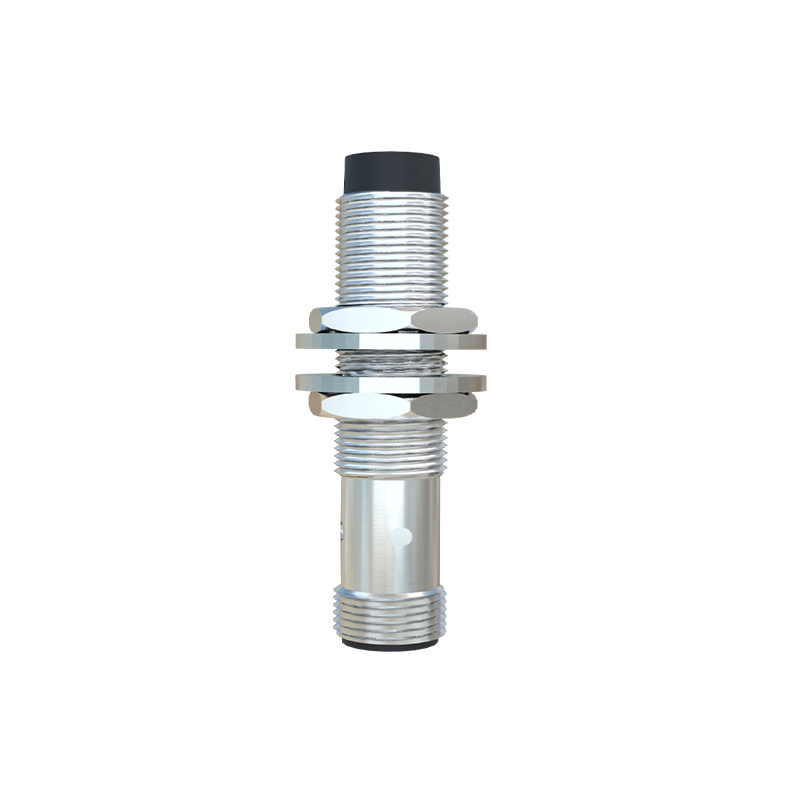
In the realm of industrial automation and control systems, proximity sensors stand as fundamental components for non-contact object detection. Among the various types, AC-type proximity sensors hold a distinct and crucial position, particularly in environments demanding robust performance and specific operational characteristics. This article delves into the working principles, key features, common applications, and essential selection criteria for AC proximity sensors, providing a comprehensive overview for engineers and technicians.
At its core, an AC-type proximity sensor operates on the principle of electromagnetic induction. The sensor contains an oscillator circuit that generates a high-frequency alternating magnetic field from its sensing face. When a metallic object (typically ferrous metals like iron and steel) enters this oscillating field, eddy currents are induced on the surface of the target. These eddy currents draw energy from the oscillator, resulting in a measurable change in the oscillation amplitude or frequency. An internal detection circuit monitors this change and triggers a switching action in the output stage, signaling the presence of the target. It is important to note that the effective sensing distance, or nominal range, is defined for a standard target (usually a square of mild steel). This range can be significantly affected by the target's material, size, shape, and approach direction.
The defining characteristic of an AC proximity sensor is its alternating current power supply and output. These sensors are typically designed to operate on standard AC line voltages, such as 120VAC or 240VAC. The output is usually in the form of a solid-state switch or a relay contact that switches the same AC load voltage. This direct compatibility with common industrial power systems is a major advantage, simplifying wiring and reducing the need for additional power conversion modules. However, this also introduces considerations like zero-cross switching to minimize electrical noise and inrush current.
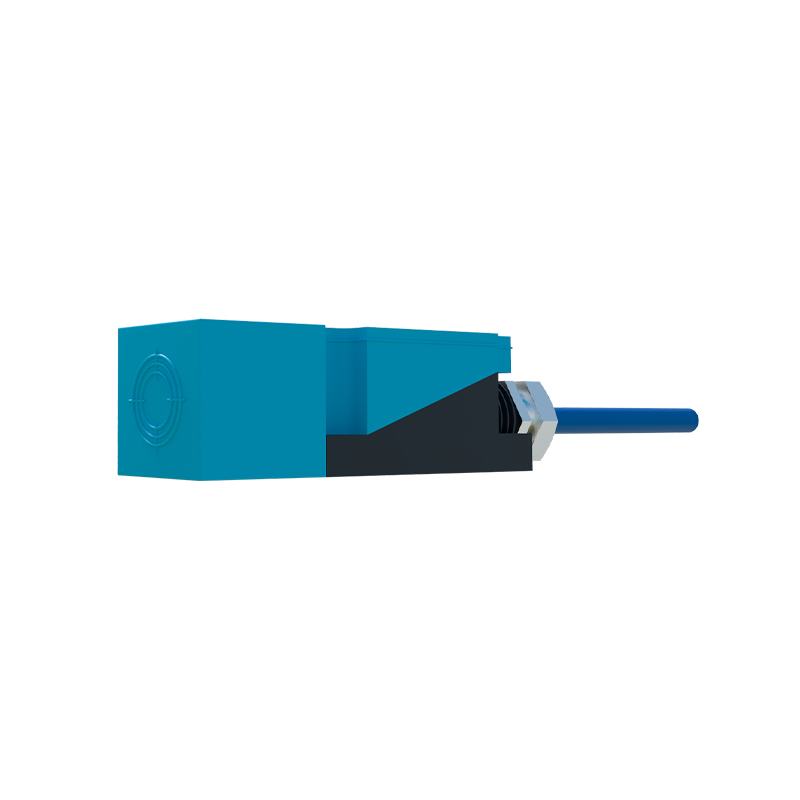
Key performance features of AC proximity sensors include their inherent robustness. They are generally less susceptible to electrical noise from variable-frequency drives (VFDs) or welding equipment compared to some DC-type sensors, making them suitable for harsh industrial environments. They often exhibit excellent temperature stability. A notable operational aspect is the presence of a residual voltage or leakage current when the sensor is in the "OFF" state. This small current, flowing through the load even when the sensor is not activated, is a byproduct of the internal circuit design using triacs or thyristors. Engineers must account for this by ensuring the load's minimum operating current is higher than the sensor's leakage current to prevent false triggering.
The applications for AC proximity sensors are widespread across manufacturing and heavy industry. They are extensively used for position detection of machine parts, such as verifying the open/closed status of valves, doors, or guards. In material handling, they detect the presence of metal objects on conveyors or in sorting systems. They serve as end-of-travel limit switches in automated machinery and presses. Their resilience makes them ideal for environments like metal stamping, foundries, and welding cells. A common and critical application is in safety interlocking systems for machine guarding, where their reliable detection helps prevent access to hazardous areas during operation.
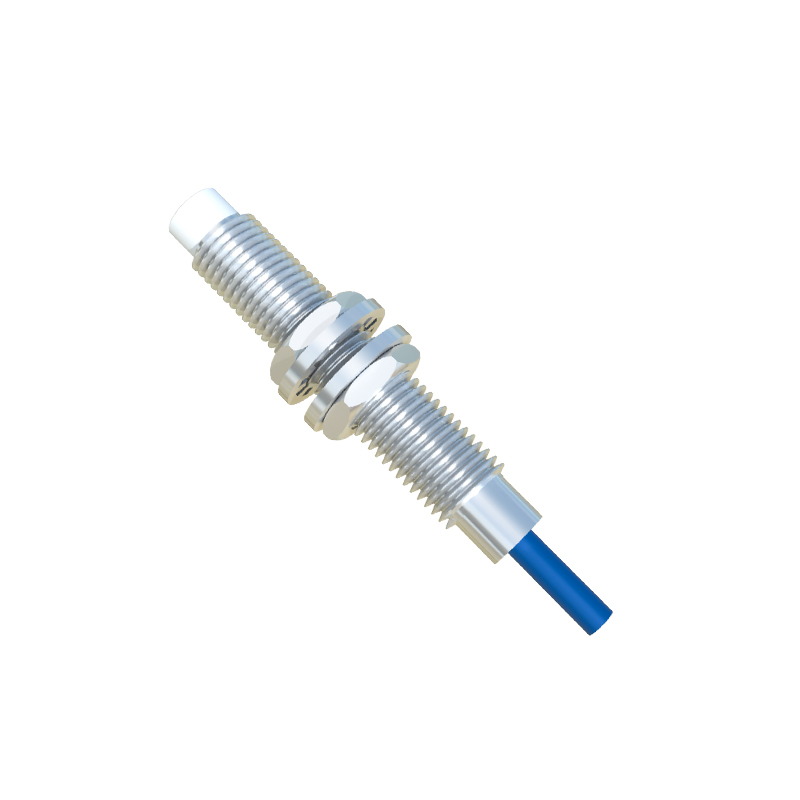
Selecting the right AC proximity sensor requires careful evaluation of several parameters. First, the operating voltage and frequency (e.g., 120VAC, 50/60Hz) must match the plant's supply. The sensing range must be appropriate for the application, with a safety margin. The housing material is critical; sensors in corrosive or washdown areas may require stainless steel (e.g., IP67, IP69K ratings). The electrical connection type (pre-wired cable or quick-disconnect) influences maintenance ease. Output configuration (normally open or normally closed) must align with the control logic. Finally, the target material and size must be considered, as non-ferrous metals or small targets will reduce the effective sensing range. Always consult the manufacturer's datasheet for specific derating factors and environmental limits.
In conclusion, AC-type proximity sensors offer a reliable, direct-connect solution for detecting metallic objects in challenging industrial settings. Their simplicity, noise immunity, and compatibility with standard AC power make them a workhorse in countless automation applications. A thorough understanding of their operating principle, including nuances like leakage current, and a methodical approach to selection based on environmental and electrical requirements are key to ensuring optimal performance and system reliability. As technology advances, these sensors continue to evolve with improved sealing, smarter diagnostics, and enhanced resistance to interference, solidifying their role in modern industrial control systems.