Proximity sensors are indispensable components in modern industrial automation, serving as critical elements for object detection, positioning, and control without physical contact. Their performance and reliability are heavily influenced by environmental conditions, making adaptability a key factor in selection and application. This article explores the environmental challenges faced by proximity sensors and the technological solutions that enhance their resilience.
Industrial environments often expose sensors to extreme temperatures. High temperatures can cause internal components to degrade, while low temperatures may lead to material brittleness or condensation. To address this, manufacturers design sensors with wide operating temperature ranges, typically from -25°C to 70°C for standard models, and up to -40°C to 100°C for specialized versions. These sensors incorporate thermal-resistant materials, such as high-grade plastics or stainless steel housings, and advanced circuitry that minimizes heat generation. In applications like metal forging or cold storage, selecting sensors with appropriate temperature ratings ensures consistent detection accuracy and longevity.
Another significant challenge is exposure to moisture, dust, and chemicals. In industries like food processing, pharmaceuticals, or chemical manufacturing, sensors may encounter water, oils, acids, or abrasive particles. To combat this, proximity sensors are built with robust ingress protection (IP) ratings, such as IP67 or IP69K, which denote resistance to dust and water immersion. Sealed housings, often made from corrosion-resistant materials like nickel-plated brass or PTFE-coated steel, prevent internal damage. Additionally, sensors with chemical-resistant coatings can withstand harsh cleaning agents, making them suitable for washdown environments in hygienic sectors.
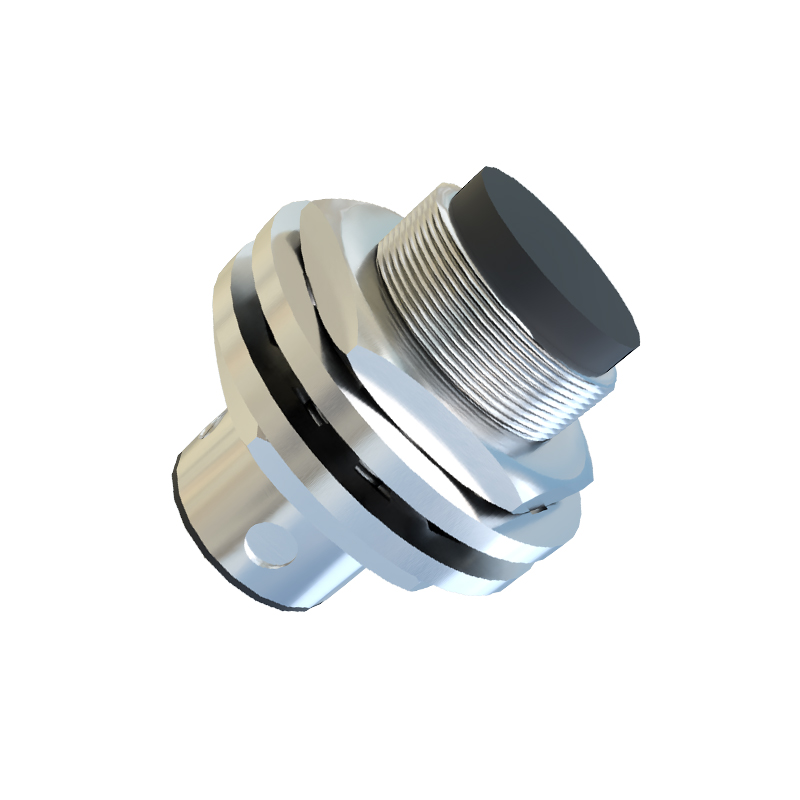
Electrical interference is a common issue in facilities with heavy machinery or high-power equipment. Electromagnetic interference (EMI) and radio frequency interference (RFI) can disrupt sensor signals, leading to false triggers or failures. Modern proximity sensors employ shielding techniques, such as ferrite cores or metal enclosures, to block external noise. They also feature advanced filtering circuits that distinguish between genuine target signals and background interference. In automotive assembly lines or welding shops, where electrical noise is prevalent, using sensors with high EMI immunity (e.g., compliant with IEC 60947-5-2 standards) is essential for stable operation.
Mechanical stress, including vibration and shock, can loosen connections or damage internal components. In applications like conveyor systems or robotics, sensors are subjected to constant movement and impacts. To enhance durability, manufacturers use ruggedized designs with reinforced cables, strain relief fittings, and shock-absorbing mounts. Inductive proximity sensors, for instance, often feature solid-state construction without moving parts, reducing wear from vibration. Testing under standards like IEC 60068-2-6 for vibration ensures these sensors maintain functionality in dynamic settings.
The sensing environment itself also affects performance. For example, in metal-rich areas, inductive sensors may detect unintended targets, while capacitive sensors can be influenced by humidity changes. To mitigate this, sensors incorporate adjustable sensitivity settings or background suppression technology. In packaging or material handling, where target materials vary (e.g., plastic, glass, metal), selecting the right sensor type—inductive for metals, capacitive for non-metals, or ultrasonic for distance-based detection—optimizes adaptability. Regular calibration and maintenance further ensure sensors remain aligned with environmental shifts.

In summary, the environmental adaptability of proximity sensors hinges on thoughtful design and material selection. By considering factors like temperature, moisture, interference, and mechanical stress, engineers can deploy sensors that deliver reliable performance across diverse industrial landscapes. As technology advances, innovations in smart sensors with self-diagnostic features and IoT connectivity are poised to further enhance adaptability, enabling predictive maintenance and real-time adjustments to changing conditions.