In industrial automation and precision measurement, laser sensors play a pivotal role due to their high accuracy, reliability, and non-contact operation. However, the performance of these sensors is heavily dependent on the precise adjustment and conditioning of the laser beam. Improper beam alignment or unoptimized optical parameters can lead to measurement errors, reduced detection range, and inconsistent data, ultimately affecting the efficiency and quality of automated processes. This article delves into the critical techniques for fine-tuning laser sensor beams, ensuring optimal functionality in diverse applications.
The foundation of effective beam adjustment begins with understanding the core components of a laser sensor system. Typically, a laser sensor comprises a laser diode that emits coherent light, collimating optics to shape the beam, and a photodetector that captures reflected or scattered light. The beam's characteristics—such as divergence, spot size, intensity profile, and wavelength—must be tailored to the specific task. For instance, in dimensional gauging, a focused, small-diameter spot is essential for high-resolution measurements, while in presence detection, a broader, uniform beam might be preferable to cover a larger area.
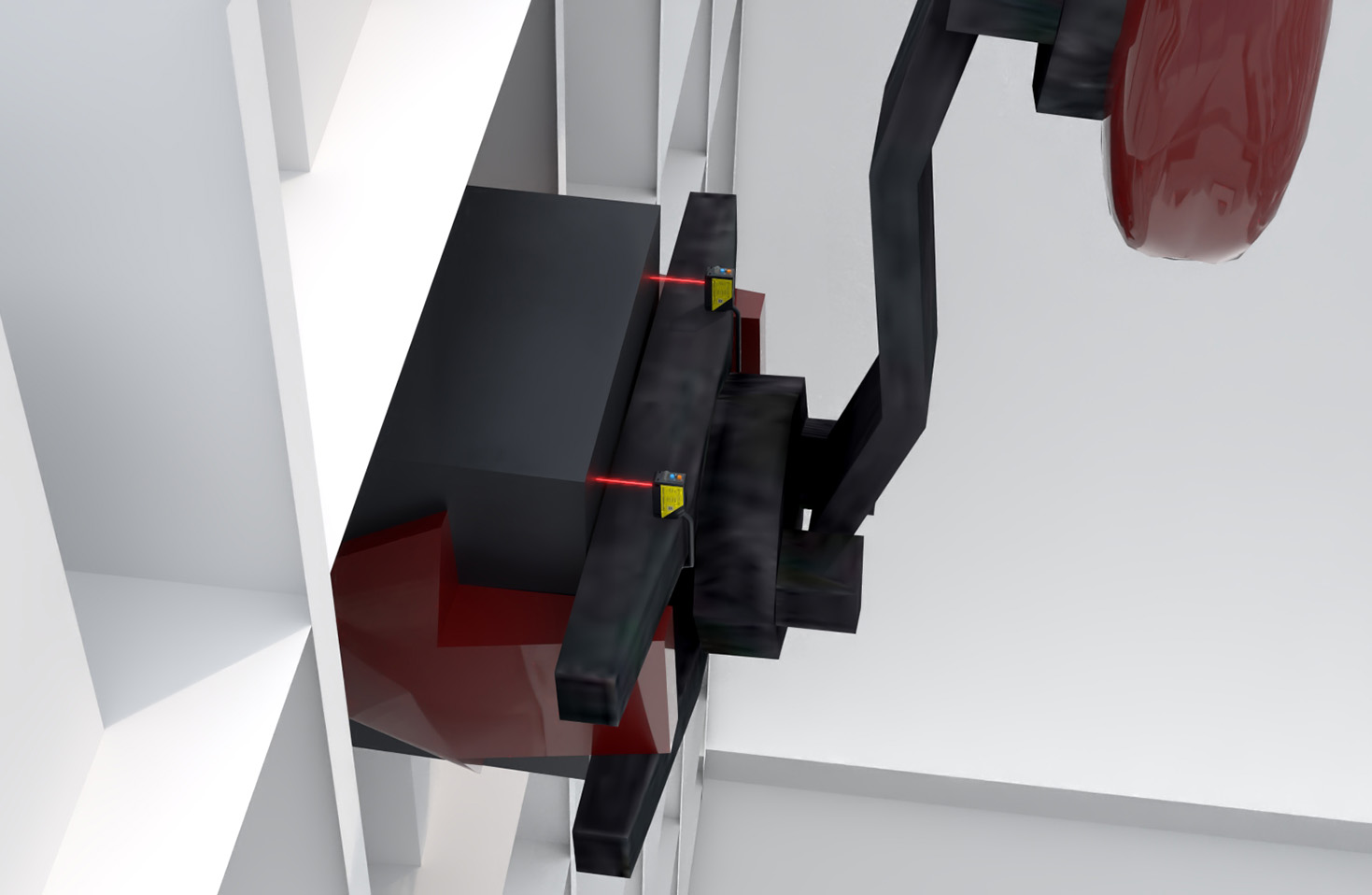
Initial alignment is the first step in beam optimization. Using alignment tools like beam profilers or alignment scopes, engineers can visualize the beam's path and position relative to the target. The goal is to ensure the beam is perpendicular to the measurement surface and centered on the intended detection zone. Even minor angular deviations can cause significant parallax errors, especially in long-range sensors. For fixed installations, mechanical mounts with fine-adjustment screws allow for precise orientation control. In dynamic environments, where vibration or thermal expansion may occur, periodic realignment or the use of self-aligning systems with feedback mechanisms is recommended.
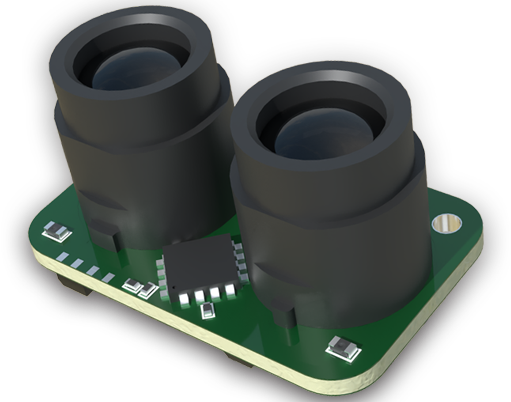
Beam shaping and focusing are equally crucial. Collimating lenses are employed to produce a parallel beam with minimal divergence, which is ideal for maintaining intensity over distance. Conversely, focusing lenses concentrate the beam to a small spot, enhancing spatial resolution. The choice of lens depends on the sensor's working distance and the required spot size. Adjustable focus mechanisms, such as threaded lens barrels or motorized zoom optics, provide flexibility for applications with varying distances. Additionally, beam expanders can be used to reduce divergence further or to adjust the beam diameter, optimizing energy distribution for specific targets.
Intensity modulation is another key aspect. The laser power must be set appropriately to avoid saturation of the photodetector or insufficient signal strength. Many modern laser sensors feature automatic gain control (AGC) or programmable power settings that adjust the output based on ambient light conditions and target reflectivity. For example, when sensing dark, absorptive materials, higher power may be needed, whereas for reflective surfaces, lower power prevents glare and overshoot. Incorporating optical filters—such as neutral density filters or polarizers—can also help manage intensity and reduce noise from ambient light sources.
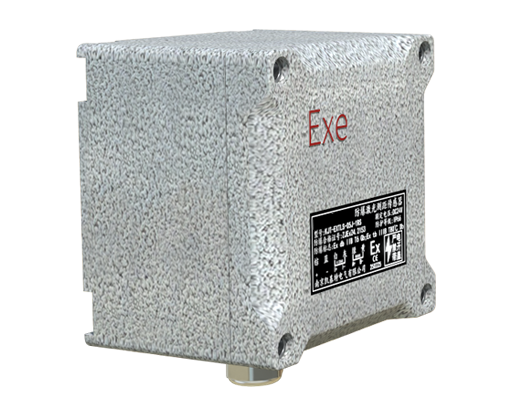
Environmental factors significantly impact beam performance. Dust, fog, or oil mist in industrial settings can scatter the laser light, attenuating the signal and causing false readings. Using protective enclosures with clean air purges or selecting sensors with higher power and robust housing (e.g., IP67-rated) mitigates these issues. Temperature fluctuations can affect both the laser diode's wavelength and the mechanical stability of mounts, leading to drift. Temperature-compensated designs or sensors with built-in thermal management ensure consistent operation.
Regular calibration and maintenance are essential for sustained accuracy. Calibration involves comparing sensor outputs against known standards and adjusting internal parameters accordingly. This process should be performed during installation and at scheduled intervals, as wear or environmental changes can degrade performance. Diagnostic features, like built-in self-test routines or output monitoring via software interfaces, aid in proactive maintenance.
Advanced techniques, such as using beam steering with galvanometer mirrors or integrating adaptive optics, offer dynamic adjustment capabilities for complex applications like 3D scanning or robotic guidance. These systems can rapidly redirect the beam to multiple points, enabling high-speed, multi-point measurements without mechanical movement.
In summary, optimizing laser sensor performance requires a systematic approach to beam adjustment, encompassing alignment, shaping, intensity control, and environmental adaptation. By mastering these techniques, engineers can enhance measurement precision, extend sensor lifespan, and improve overall system reliability. As technology evolves, innovations in smart sensors with AI-driven auto-adjustment promise to simplify this process, but a fundamental understanding of optical principles remains invaluable for troubleshooting and achieving peak performance in demanding industrial scenarios.