In the realm of industrial automation and smart city development, proximity sensors have become indispensable components. Among the diverse designs available, the square-shaped proximity sensor stands out for its unique applications in urban infrastructure. This article delves into the technical specifications, operational principles, and practical benefits of these sensors, tailored for electrical engineers and urban planners.
Square-shaped proximity sensors are primarily inductive or capacitive sensors encased in a robust, rectangular housing. Their design is not merely aesthetic; it serves critical functional purposes. The flat surfaces allow for seamless integration into machinery with limited space, such as conveyor systems, robotic arms, and automated gates in public transportation hubs. Unlike cylindrical sensors, square variants can be mounted flush against surfaces, reducing the risk of physical damage in high-traffic urban environments.
The operational principle hinges on electromagnetic fields or capacitance changes. Inductive square proximity sensors detect metallic objects without physical contact by generating an oscillating electromagnetic field. When a metal target enters this field, it induces eddy currents, causing a change in oscillation amplitude that triggers the sensor output. Capacitive versions, on the other hand, sense both metallic and non-metallic materials by monitoring changes in capacitance due to the presence of any object altering the dielectric constant. This versatility makes them ideal for diverse urban applications, from detecting vehicles at traffic intersections to monitoring waste levels in smart bins.
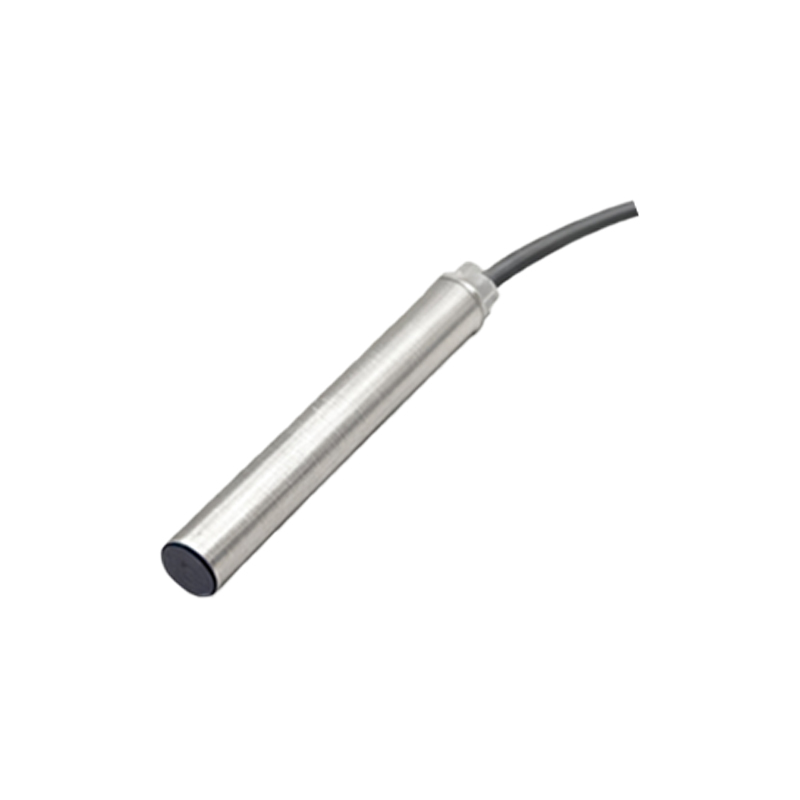
One key advantage of square-shaped sensors is their enhanced durability. The housing, typically made from materials like nickel-plated brass or stainless steel, offers superior resistance to environmental stressors such as moisture, dust, and temperature fluctuations. In urban settings, where sensors are exposed to weather extremes and mechanical vibrations, this robustness translates to reduced maintenance costs and longer service life. Additionally, the square design often incorporates multiple mounting options, including bracket and rail systems, facilitating easy installation and alignment in complex infrastructure projects.
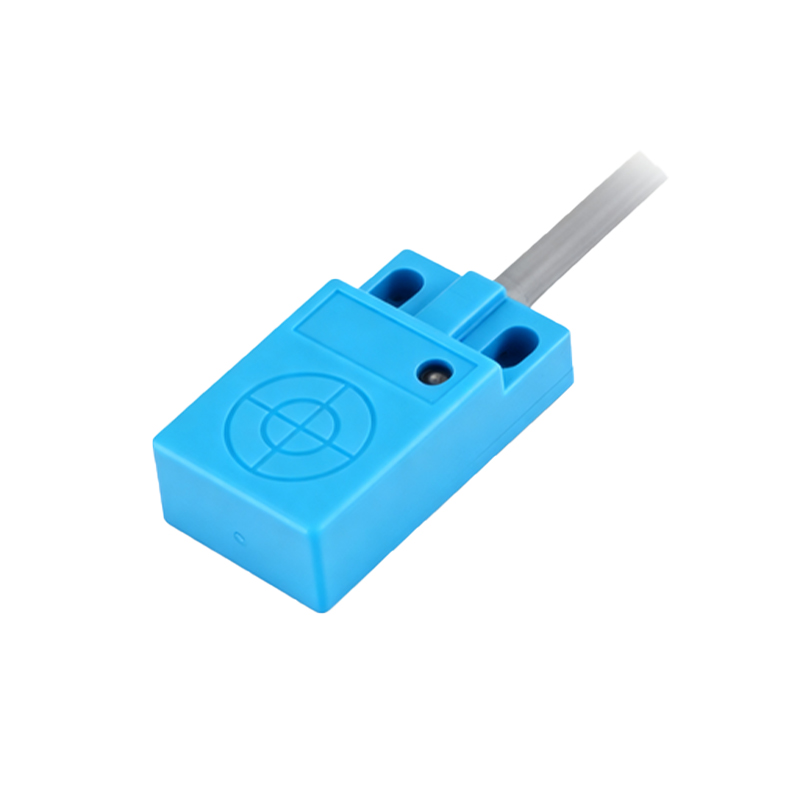
From an engineering perspective, these sensors provide high precision and reliability. Many models feature adjustable sensing ranges and built-in diagnostics, allowing for real-time monitoring and calibration. For instance, in automated parking systems, square proximity sensors ensure accurate vehicle positioning, minimizing errors and enhancing safety. Their low-power consumption aligns with sustainability goals, supporting energy-efficient urban ecosystems.
In conclusion, square-shaped proximity sensors represent a convergence of innovation and practicality in modern electrical engineering. As cities evolve into smarter, more automated spaces, the demand for these sensors will only grow. Engineers and planners must consider their technical merits—such as integration ease, environmental resilience, and operational accuracy—when designing future-ready urban infrastructure. By leveraging their capabilities, we can build safer, more efficient, and sustainable cities for generations to come.