In the realm of industrial automation and control systems, photoelectric laser switch sensors stand as a pinnacle of precision, reliability, and versatility. These advanced devices utilize focused laser light to detect the presence, absence, or position of objects with exceptional accuracy, often over significant distances. Unlike standard photoelectric sensors that employ LED light sources, laser sensors concentrate light into a highly collimated, visible beam, enabling pinpoint detection and resolution of minute details.
The fundamental operating principle revolves around the emission of a laser beam from a transmitter. This beam is directed towards a target or a receiver. The sensor then analyzes the condition of the received light. The three primary sensing modes are through-beam, retro-reflective, and diffuse reflective. Through-beam models, offering the longest sensing ranges and highest reliability, consist of separate transmitter and receiver units. The detection occurs when an object interrupts the beam. Retro-reflective sensors house both emitter and receiver in one housing, using a reflector to bounce the beam back. They detect an object when it blocks this return path. Diffuse reflective sensors, also single-unit, detect light reflected directly off the target itself, making them ideal for applications where installing a reflector or separate receiver is impractical.
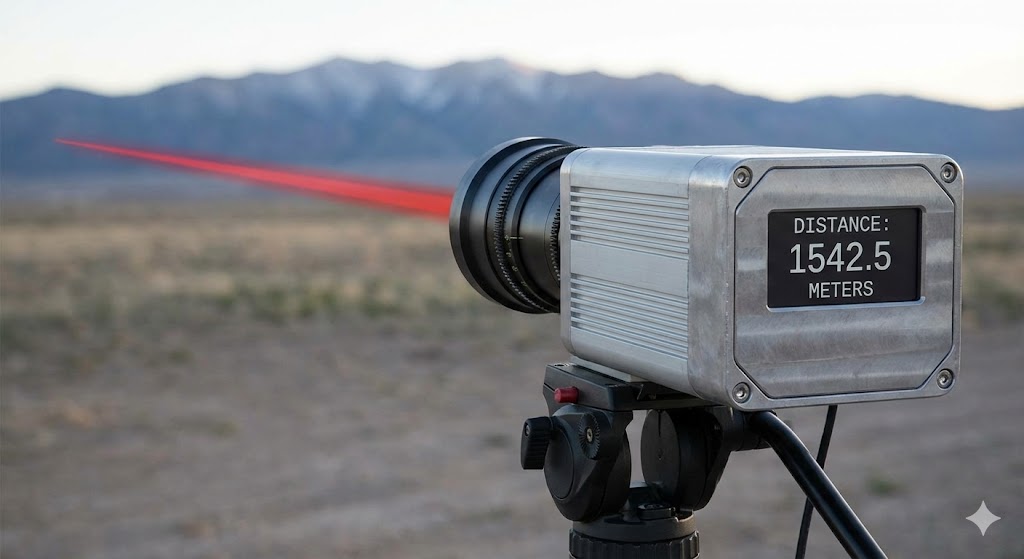
The advantages of laser switch sensors are manifold. Their highly visible, concentrated beam allows for easy alignment and setup, drastically reducing installation time. The small, intense spot size enables the detection of extremely small objects, precise edge detection, and accurate positioning—capabilities unattainable with conventional photoelectric sensors. Furthermore, they maintain stable operation even in environments with ambient light interference or on highly reflective or low-reflectivity surfaces, thanks to advanced background suppression technologies and adjustable sensitivity.
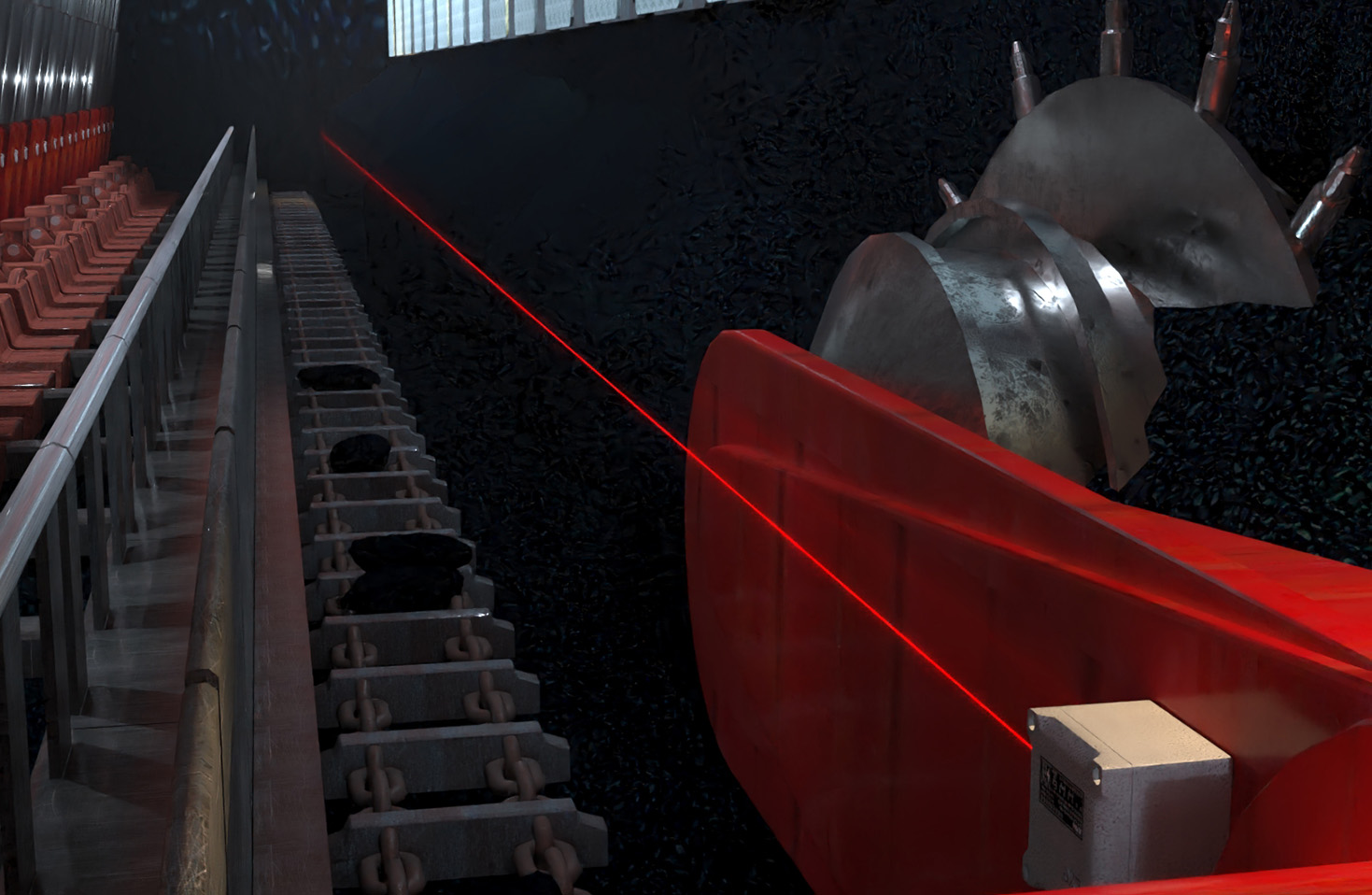
Applications for photoelectric laser switch sensors span virtually every industry. In packaging and material handling, they are indispensable for precise label detection, bottle cap alignment, and object counting on high-speed lines. The electronics and semiconductor industries rely on them for wafer positioning, component verification, and lead inspection due to their micron-level precision. In automotive manufacturing, they ensure correct part placement, robot guidance, and weld seam tracking. They also play critical roles in logistics for dimensioning parcels, in printing for registration mark detection, and in assembly for verifying the presence of tiny screws or connectors.
Selecting the appropriate laser sensor requires careful consideration of several key parameters. First, determine the required sensing range and the size of the target object. The beam spot size must be smaller than the target feature to be detected. Second, the sensing mode (through-beam, retro-reflective, diffuse) must suit the mechanical constraints of the application. Environmental factors are crucial; sensors are available with robust IP67 or IP69K ratings for washdown or dusty conditions, and special models resist chemicals or extreme temperatures. Output type (PNP/NPN, analog, IO-Link) must be compatible with the host controller. Finally, consider features like programmable logic functions, teach-in capabilities for setting thresholds, and built-in diagnostics for predictive maintenance.
Modern advancements continue to push the boundaries. Sensors with Class 1 laser safety ratings are now common, requiring no special protective measures during operation. The integration of IO-Link communication provides detailed device status, parameterization, and seamless integration into Industry 4.0 and smart factory networks, enabling condition monitoring and centralized management. Furthermore, the development of blue laser technology offers improved performance on challenging surfaces like red-hot metals or transparent materials, where traditional red lasers may struggle.
In conclusion, photoelectric laser switch sensors are a transformative technology for automated systems demanding high precision and reliability. Their ability to provide a visible, fine-spot laser beam for detection solves complex application challenges that other sensor types cannot address. By understanding their operating principles, myriad benefits, and diverse applications, engineers and system integrators can effectively leverage these powerful tools to enhance efficiency, improve quality control, and drive innovation in automated processes. As industrial demands grow more stringent, the role of the laser photoelectric sensor will only become more central to the intelligent factories of the future.