In the realm of industrial automation and machinery control, the concept of "homing" or finding a machine's reference zero point is fundamental. This process ensures repeatable positioning, accurate motion control, and safe operation. Among the various sensors employed for this critical task, magnetic proximity switch sensors stand out for their reliability, durability, and simplicity. This article delves into the principles, application, and best practices for using magnetic proximity switches as homing sensors to establish a precise machine origin.
A magnetic proximity switch sensor operates on a straightforward principle: it detects the presence or absence of a magnetic field, typically from a permanent magnet. The sensor housing contains a reed switch or a solid-state Hall-effect element. When the target magnet approaches within a specified sensing range, the magnetic field causes the reed contacts to close (or the Hall-effect chip to switch states), sending an electrical signal to the controller. This binary ON/OFF signal is ideal for marking a definitive position. Unlike mechanical limit switches, they have no moving parts to wear out from physical contact, making them exceptionally robust in harsh environments with dust, moisture, or vibration.
The role of this sensor in establishing an origin or home position is critical. During a homing routine, a machine axis (like a linear actuator or rotary stage) moves slowly in a specified direction until the sensor is activated by its corresponding magnet, which is fixed to the moving part or the rail. The moment the controller receives the signal, it records the current position from the encoder or stepper motor count as a preliminary reference. However, due to sensor hysteresis and mechanical tolerances, this signal point alone may not be precise enough for high-accuracy applications. Therefore, the magnet and sensor are often used as a "home switch" to find a coarse reference area. After triggering, the machine may move a short, precise distance off the sensor (a process called "backing off" or "indexing") to a mechanically defined and repeatable position, which is then set as the true zero point or machine origin.
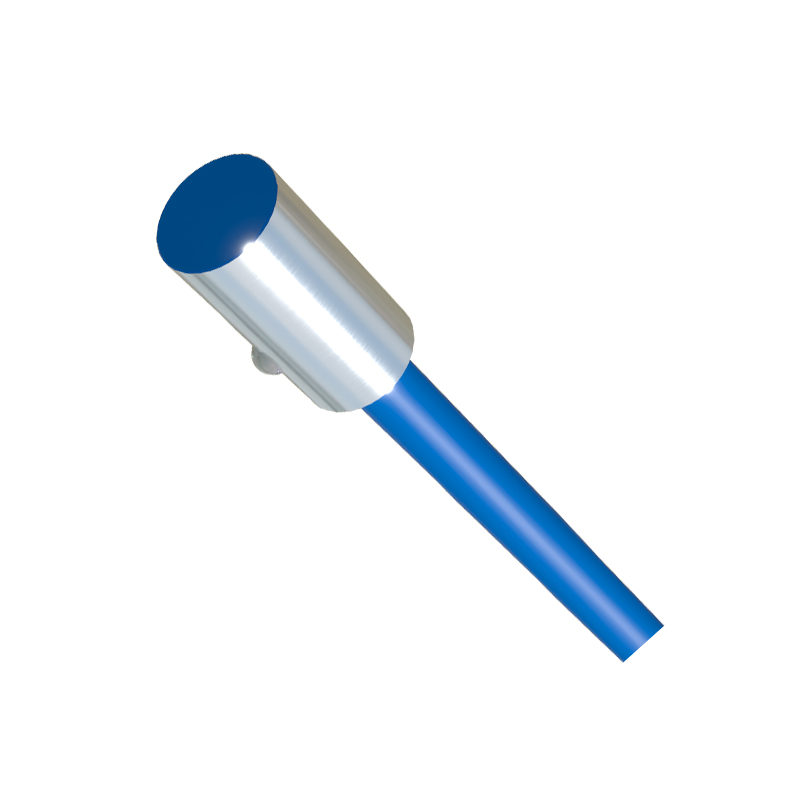
Selecting and installing the correct magnetic proximity switch is paramount for reliable homing. Key considerations include the sensing distance, which must be chosen to reliably detect the magnet without being triggered inadvertently. The mounting must be rigid to prevent shifting, as even a minor misalignment can cause positional errors. The magnet should be oriented correctly relative to the sensor's sensing face, as per the manufacturer's specifications. For absolute repeatability, it is common practice to approach the home position from the same direction every time during the homing sequence, typically from a known "over-travel" side, to compensate for any mechanical backlash.
One of the significant advantages of using magnetic sensors for homing is their environmental resilience. They are often housed in sealed, stainless-steel bodies with IP67 or higher ratings, making them immune to coolant, oil, and particulate contamination that would jam or damage mechanical switches. Their fast response time and high switching frequency also support rapid homing sequences, increasing machine throughput.
However, engineers must also be aware of potential pitfalls. Strong external magnetic fields from motors or transformers can interfere with sensor operation. Using shielded sensors or careful routing of cables can mitigate this. Additionally, the temperature coefficient of both the magnet and the sensor can slightly affect the sensing distance over extreme temperature ranges, which should be factored into the design for precision machinery.
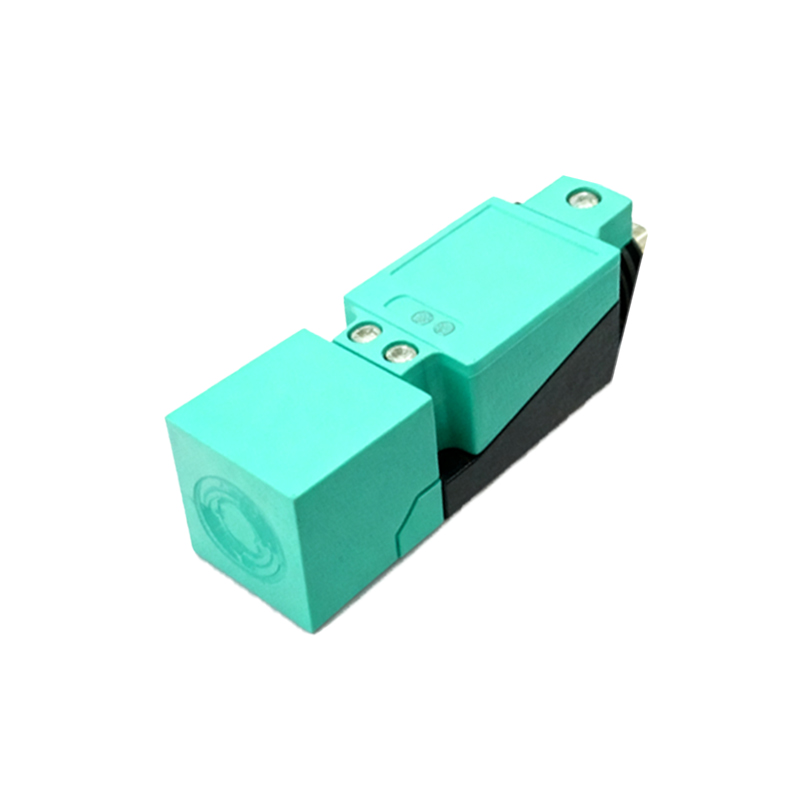
In practice, integrating a magnetic homing sensor involves connecting its output (typically PNP or NPN) to a dedicated high-speed input on a PLC or motion controller. The homing routine is then programmed into the control logic. Modern controllers offer sophisticated homing modes, such as "home to sensor, then index to marker pulse" from an encoder, which combines the magnetic switch's robustness with the encoder's high resolution for ultra-precise origin setting.
In conclusion, the magnetic proximity switch sensor serves as a robust and dependable cornerstone for machine homing and zero-point calibration. Its non-contact operation ensures long-term reliability, while its simple interface facilitates easy integration into control systems. By understanding its operating principles, carefully selecting components, and implementing a well-designed homing routine, engineers can establish a stable and accurate machine origin. This foundational accuracy ripples through every subsequent positioning operation, ensuring the overall precision, efficiency, and safety of the automated system. Proper implementation of this seemingly simple component is, therefore, a critical step in the design and maintenance of high-performance industrial machinery.