In the field of industrial automation and precision measurement, laser sensors play a crucial role in detecting objects, measuring distances, and ensuring quality control. A common question that arises among engineers and technicians is whether laser sensor glass can effectively transmit laser beams. This article delves into the technical aspects of laser sensor glass, its transmission properties, and practical considerations for optimal performance.
Laser sensor glass, typically made from materials like fused silica, optical glass, or specialized coatings, is designed to allow specific wavelengths of laser light to pass through with minimal absorption or scattering. The key factor determining transmission is the glass's optical clarity and composition. For instance, fused silica offers high transmission rates for ultraviolet to infrared wavelengths, making it suitable for various laser types, including CO2, Nd:YAG, and diode lasers. The glass must be free from impurities, bubbles, or defects that could distort the beam, as even minor imperfections can lead to signal loss or inaccurate readings.
The transmission efficiency of laser sensor glass depends on several parameters. First, the wavelength of the laser must match the glass's transmission spectrum. Most laser sensor glasses are engineered for specific ranges, such as 400 nm to 2,000 nm, ensuring compatibility with common industrial lasers. Second, surface quality matters—polished surfaces reduce reflections and enhance transmission, while anti-reflective coatings can further improve performance by minimizing losses at the glass-air interface. In applications like LiDAR or barcode scanning, where precision is paramount, using coated glass can boost transmission to over 99%.
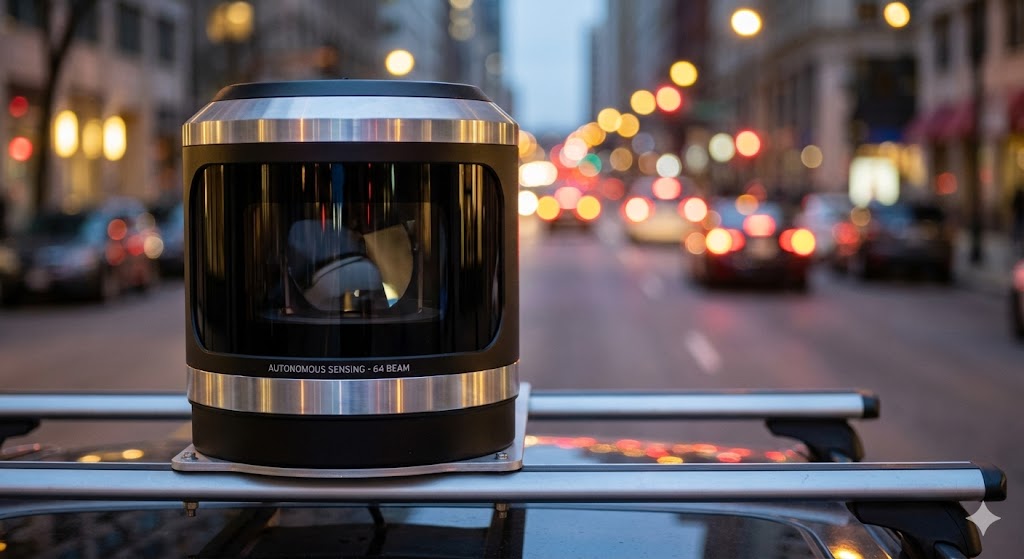
However, transmission is not absolute. Factors like glass thickness, angle of incidence, and environmental conditions can affect results. Thicker glass may absorb more light, especially at certain wavelengths, leading to attenuation. Engineers should consult manufacturer data sheets to select glass with appropriate thickness and coatings for their specific laser sensor model. Additionally, contamination—such as dust, oil, or scratches—can significantly reduce transmission. Regular maintenance, including cleaning with lint-free cloths and approved solvents, is essential to sustain performance.
In real-world applications, laser sensor glass is used in protective windows for sensors in harsh environments, like manufacturing lines with debris or moisture. For example, in automotive assembly, laser sensors with transmission glass monitor part alignment without interference from ambient light. Tests show that high-quality optical glass can transmit laser beams with less than 1% loss, ensuring reliable operation. It's also worth noting that some glasses are treated to block unwanted wavelengths, enhancing signal-to-noise ratio by filtering out ambient light.
To summarize, laser sensor glass can indeed transmit laser beams effectively when designed with the right materials and specifications. Engineers must prioritize factors like wavelength compatibility, surface quality, and maintenance to maximize transmission. As technology advances, new glass types with enhanced durability and transmission rates are emerging, supporting more demanding applications in robotics, aerospace, and medical devices. Always verify glass specifications with sensor requirements to avoid performance issues.