In the rapidly evolving landscape of industrial automation and precision engineering, wireless laser distance sensors have emerged as a pivotal technology, redefining the paradigms of measurement, monitoring, and control. These sophisticated devices harness the principles of time-of-flight or phase-shift measurement using laser beams to determine distances with exceptional accuracy, all while operating untethered from traditional wired constraints. The core mechanism involves emitting a focused laser pulse towards a target. The sensor then precisely calculates the time taken for the reflected light to return. This data, processed through advanced onboard algorithms, yields a highly accurate distance reading, often with sub-millimeter resolution.
The integration of wireless communication protocols, such as Wi-Fi, Bluetooth Low Energy (BLE), LoRa, or proprietary industrial networks, is what truly sets these sensors apart. This wireless capability facilitates seamless integration into complex Industrial Internet of Things (IIoT) ecosystems. Data collected by the sensor is transmitted in real-time to central control systems, cloud platforms, or mobile devices, enabling continuous monitoring and immediate actionable insights. This eliminates the need for extensive and costly cable installations, particularly in large-scale facilities, rotating machinery, or hazardous environments where wiring is impractical or unsafe.
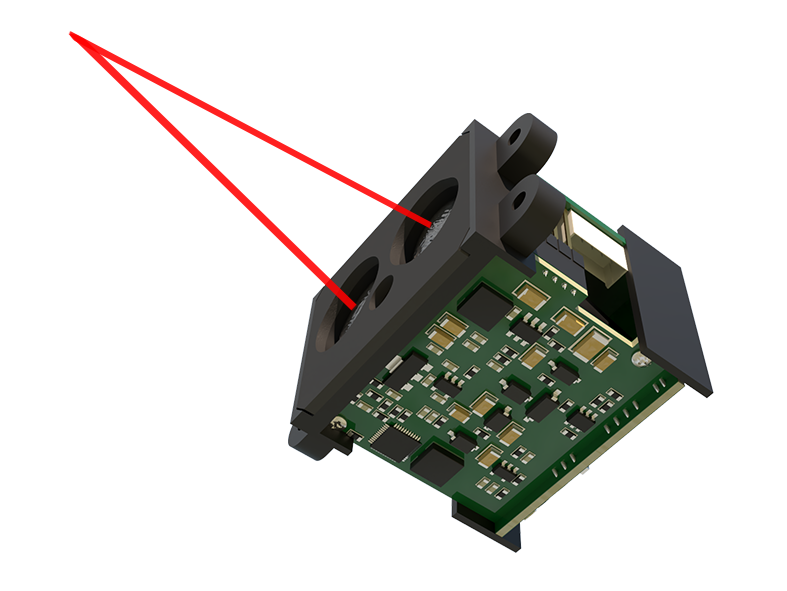
The applications for wireless laser distance sensors are vast and transformative. In logistics and warehousing, they are deployed for precise inventory management, pallet dimensioning, and automated guided vehicle (AGV) navigation, ensuring optimal space utilization and operational efficiency. Within the manufacturing sector, they play a critical role in robotic guidance, assembly line verification, and quality control inspections, where consistent precision is non-negotiable. In construction and civil engineering, these sensors enable remote monitoring of structural deformations, settlement, and alignment over long distances, enhancing safety and project management. Furthermore, in agricultural automation, they assist in vehicle guidance and crop monitoring.
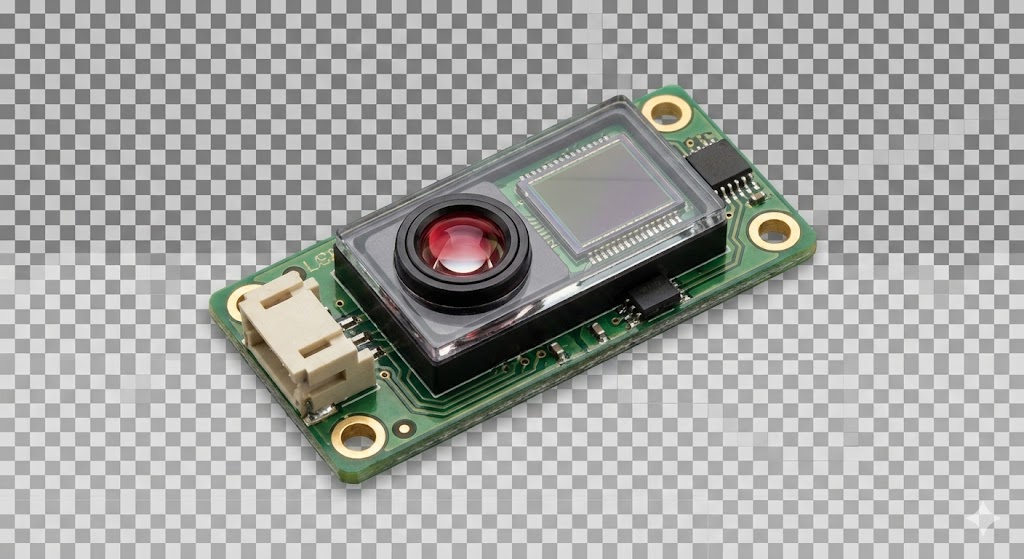
The benefits are substantial. Beyond the obvious advantage of reduced installation and maintenance costs associated with cabling, wireless sensors offer unparalleled flexibility. Sensor networks can be easily reconfigured, scaled, or relocated in response to changing production needs. They enhance worker safety by allowing monitoring in dangerous zones without physical presence. The real-time data flow supports predictive maintenance strategies, as trends in measurement data can signal equipment wear or misalignment before a failure occurs, minimizing downtime.
However, deploying this technology requires careful consideration. Factors such as wireless range, data transmission reliability in electromagnetically noisy industrial environments, power management for battery-operated units, and robust data security protocols are paramount. Selecting a sensor with an appropriate ingress protection (IP) rating for the operational environment—whether dusty, humid, or exposed to temperature extremes—is crucial for long-term reliability. The choice of wireless standard must align with the existing factory network infrastructure and data bandwidth requirements.
Looking ahead, the convergence of wireless laser distance sensing with advancements in edge computing and artificial intelligence promises even greater autonomy. Future sensors will not only capture data but also perform preliminary analytics at the source, sending only processed insights and alerts. This evolution will further drive the development of smarter, more responsive, and self-optimizing industrial systems. In conclusion, wireless laser distance sensors are not merely an incremental improvement but a foundational technology enabling the next wave of industrial digitalization, offering a blend of precision, flexibility, and connectivity that is essential for the factories and infrastructures of the future.