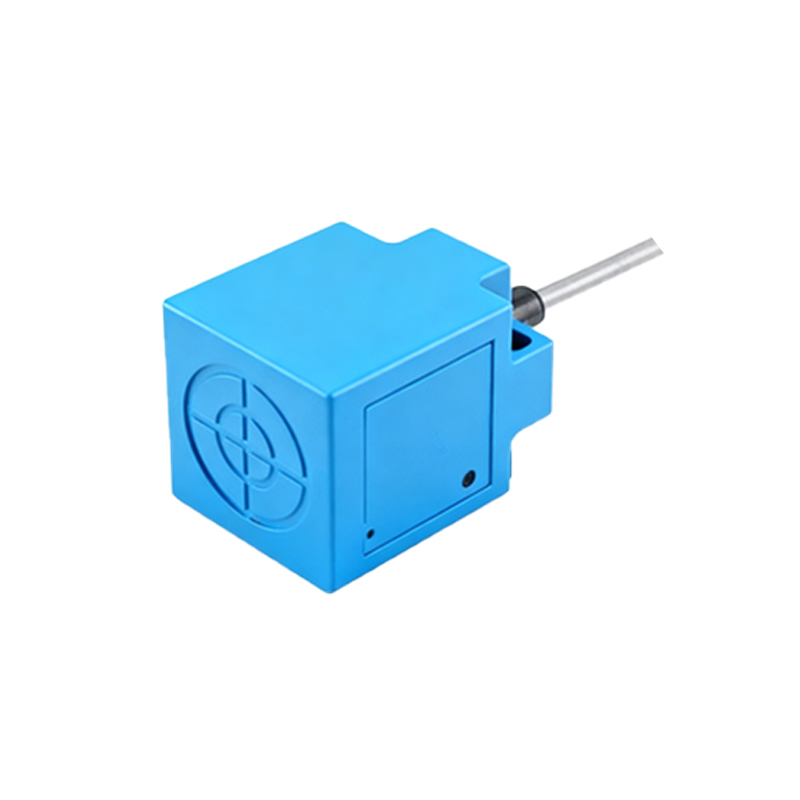
In the realm of industrial automation and control systems, proximity sensors play a pivotal role in detecting the presence or absence of objects without physical contact. Among various types, two-wire proximity sensors stand out for their simplicity, reliability, and cost-effectiveness. This article delves into the fundamental principles, operational mechanisms, and key applications of two-wire proximity sensors, providing a comprehensive overview for professionals in the electrical and automation industries.
Two-wire proximity sensors, as the name implies, consist of only two wires for both power supply and signal transmission. This design contrasts with three-wire or four-wire sensors, which separate power and output circuits. The two-wire configuration integrates the sensor and switching element into a single unit, reducing wiring complexity and installation time. Typically, these sensors operate on direct current (DC) voltages, commonly ranging from 10 to 30 volts, and are compatible with standard control systems such as programmable logic controllers (PLCs).
The core principle behind two-wire proximity sensors is based on electromagnetic or capacitive sensing technologies. Inductive two-wire sensors are widely used for detecting metallic objects. They generate an oscillating electromagnetic field via a coil and oscillator circuit. When a metallic target enters this field, eddy currents are induced in the target, causing a change in the oscillation amplitude. This alteration is detected by a threshold circuit, which triggers the sensor's output switch. In the case of capacitive two-wire sensors, they detect both metallic and non-metallic objects by measuring changes in capacitance between the sensor face and the target. A capacitive sensor generates an electrostatic field, and when an object enters this field, the capacitance increases, leading to a change in the oscillator frequency that activates the output.
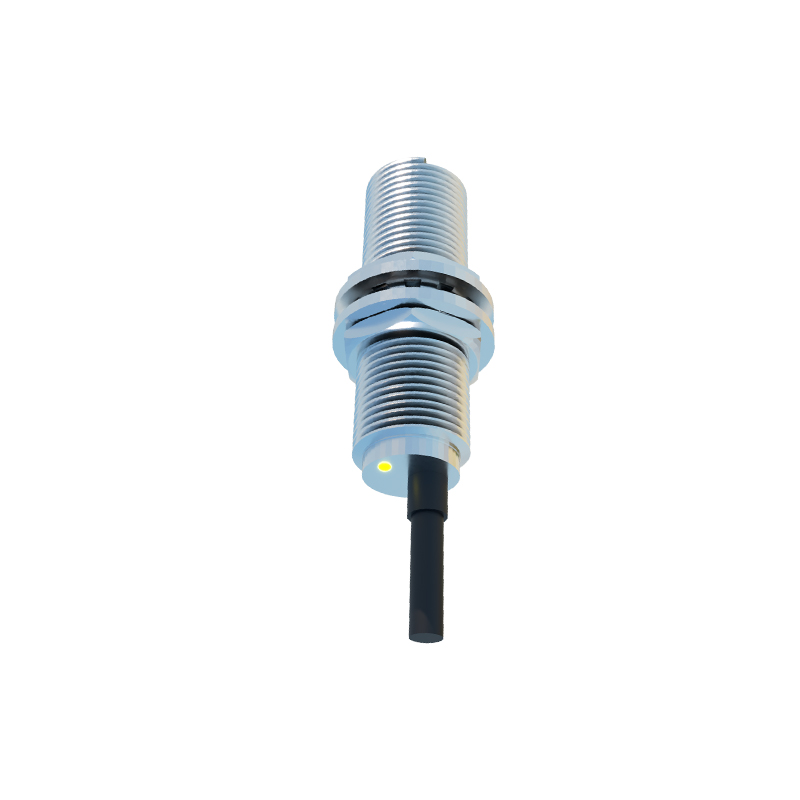
A critical aspect of two-wire proximity sensors is their output switching behavior. These sensors function as normally open (NO) or normally closed (NC) switches in series with the power supply. When no target is detected, the sensor presents a high impedance state, allowing a small leakage current (typically less than 2 mA) to flow, which is insufficient to activate the load. Upon target detection, the sensor switches to a low impedance state, enabling the full load current to pass through and activate the connected device, such as a relay or PLC input. This switching action is achieved using solid-state components like transistors or thyristors, ensuring fast response times and long operational life without mechanical wear.
One of the main advantages of two-wire proximity sensors is their inherent safety and simplicity. With only two wires, they minimize potential wiring errors and reduce material costs. Additionally, they often feature short-circuit and overload protection, enhancing system durability. However, designers must consider the voltage drop across the sensor and ensure the leakage current does not inadvertently trigger sensitive loads. Proper selection based on operating voltage, load current, and sensing range is crucial for optimal performance.
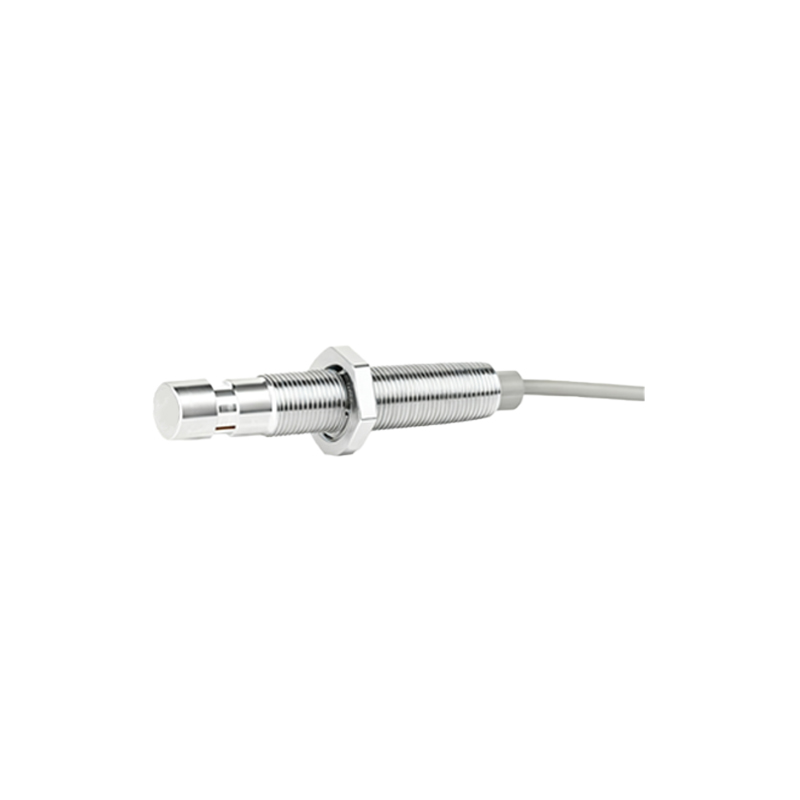
In practical applications, two-wire proximity sensors are extensively used in manufacturing, packaging, material handling, and automotive industries. They monitor object positioning, count items on conveyor belts, detect end-of-travel limits, and ensure machine safety by verifying component presence. Their robust construction, often rated for IP67 or higher ingress protection, makes them suitable for harsh environments with dust, moisture, or vibration.
To summarize, two-wire proximity sensors offer a streamlined solution for non-contact detection in automated systems. By understanding their working principle—leveraging electromagnetic or capacitive changes to control output switching—engineers can effectively integrate these devices into diverse control architectures. As technology advances, enhancements in sensing accuracy, energy efficiency, and connectivity continue to expand their utility, solidifying their role as indispensable components in modern industrial automation.