In the realm of industrial automation, precision and reliability are paramount. Among the myriad of components that ensure seamless operations, proximity sensors stand out as critical devices for non-contact detection. Specifically, the M1 diameter proximity sensor has emerged as a cornerstone in applications demanding high accuracy within compact spaces. This article delves into the technical intricacies, applications, and advantages of M1 diameter proximity sensors, providing insights for engineers and industry professionals.
M1 diameter proximity sensors, as the name implies, feature a sensing face with a diameter of approximately 1 millimeter. This ultra-compact design allows for installation in highly constrained environments where larger sensors would be impractical. Despite their small size, these sensors are engineered to deliver robust performance, capable of detecting metallic or non-metallic objects depending on the technology employed. Common types include inductive sensors for metal detection and capacitive sensors for materials like plastics, liquids, or granular substances. The operating principle typically involves generating an electromagnetic field or electrostatic field; when a target object enters this field, it causes a change in oscillation amplitude or capacitance, triggering an output signal.
The construction of M1 diameter proximity sensors often involves stainless steel or nickel-plated brass housings, providing resistance to harsh industrial conditions such as moisture, oils, and mechanical impacts. Many models are rated IP67 or higher, ensuring durability in demanding settings like automotive manufacturing, packaging lines, or semiconductor fabrication. The sensing range, while limited due to the miniature size—usually up to 0.5 mm for inductive types—is precisely calibrated for tasks requiring fine tolerances. For instance, in robotic assembly systems, these sensors verify the presence of tiny screws or components, preventing errors in production cycles. Additionally, their high switching frequency, often exceeding 1 kHz, enables rapid detection in high-speed automation processes, minimizing downtime and enhancing throughput.
Applications of M1 diameter proximity sensors span diverse industries. In electronics manufacturing, they are utilized to inspect circuit boards, ensuring components are correctly placed before soldering. The medical device sector employs them in equipment like infusion pumps or diagnostic machines, where hygiene and precision are critical; their compactness allows integration into sterile environments without compromising functionality. In automotive engineering, these sensors monitor gear positions or valve movements in transmissions, contributing to fuel efficiency and safety. Furthermore, they play a role in aerospace for alignment checks in turbine assemblies, where even micron-level deviations can have significant consequences.
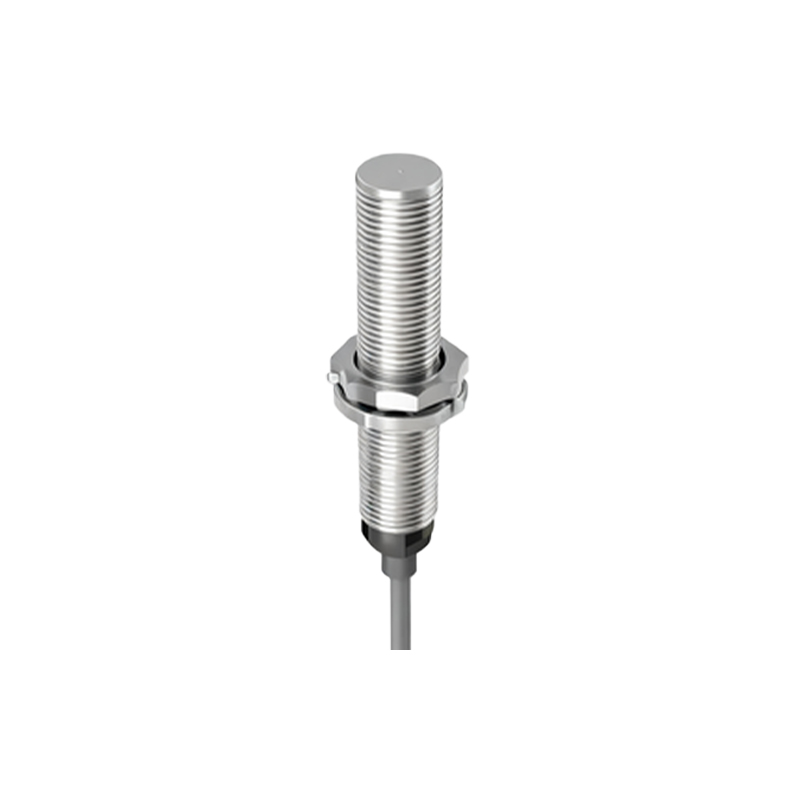
Selecting the right M1 diameter proximity sensor involves considering factors such as target material, environmental conditions, output type (e.g., PNP or NPN), and supply voltage (typically 10-30 V DC). Engineers must also account for mounting constraints—threaded barrels or cylindrical designs are common, facilitating easy installation in drilled holes. Calibration and alignment are crucial, as the narrow sensing field requires precise positioning relative to the target. Modern advancements have introduced features like IO-Link communication, enabling real-time diagnostics and parameter adjustments, which streamline maintenance and adapt to changing production needs.
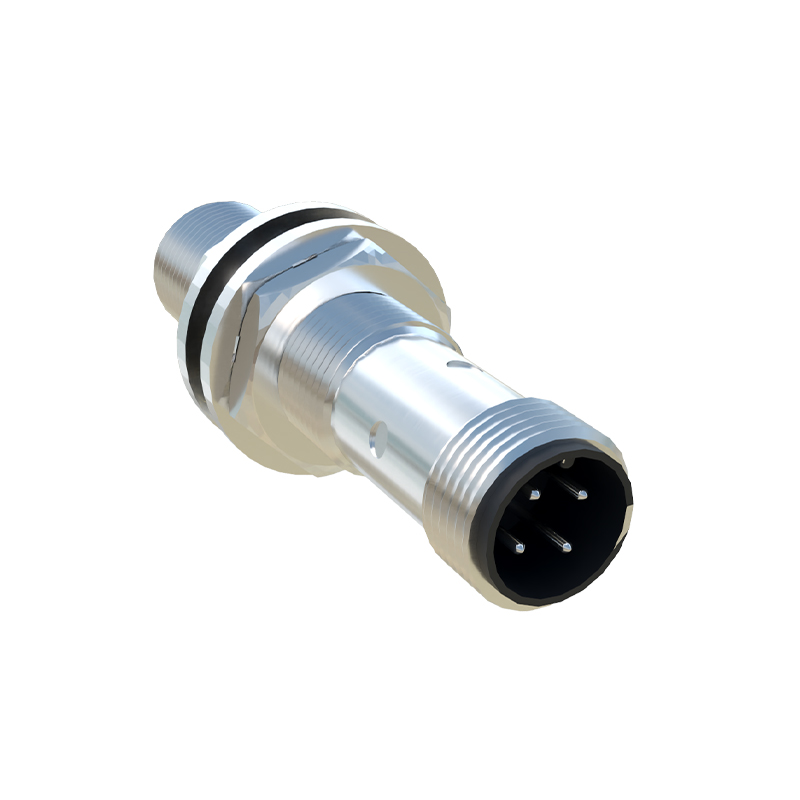
Despite their advantages, challenges exist with M1 diameter proximity sensors. The limited sensing range can necessitate careful placement, and sensitivity to environmental interference, such as temperature fluctuations or electromagnetic noise, may require shielding or filtering. However, manufacturers continuously innovate, developing models with enhanced immunity and extended ranges without compromising size. For example, some sensors incorporate temperature compensation circuits or ruggedized designs for extreme temperatures from -25°C to 70°C.
In conclusion, M1 diameter proximity sensors exemplify the synergy of miniaturization and high performance in industrial automation. Their ability to deliver accurate, non-contact detection in tight spaces makes them indispensable for quality control and efficiency. As industries evolve toward smarter, more connected systems, these sensors will likely integrate further with IoT platforms, offering predictive analytics and adaptive control. For engineers seeking reliable solutions in precision applications, understanding the capabilities and selection criteria of M1 diameter proximity sensors is essential for optimizing automated processes and driving innovation.