In the world of mobile device engineering, the proximity sensor is a critical yet often overlooked component that ensures both functionality and user safety. This sensor, typically located near the earpiece on smartphones, detects the presence of nearby objects—most commonly, your ear during a call—to automatically turn off the display and prevent accidental touch inputs. But a common question among engineers and tech enthusiasts is: What is the ideal testing cycle for a phone's proximity sensor to maintain optimal performance?
From a design and manufacturing standpoint, proximity sensors are built to last the lifetime of the device under normal conditions. They use infrared (IR) LEDs and photodetectors or time-of-flight (ToF) technology to measure distance, and these components are generally robust. However, factors like dust accumulation, screen protector interference, software glitches, or physical damage can degrade accuracy over time. In industrial settings, rigorous testing is conducted during production, with each sensor calibrated and validated before assembly. For end-users, though, there's no standard "schedule" for testing—it's more about proactive monitoring based on usage patterns.
Typically, a proximity sensor doesn't require routine testing like a battery health check. Instead, engineers recommend evaluating it only when symptoms arise, such as the screen not turning off during calls, erratic behavior in pocket mode, or failed diagnostic tests. Most smartphones have built-in diagnostic tools accessible via secret codes (e.g., #0on some Samsung devices) or settings menus, allowing users to run a quick sensor test. If issues are detected, cleaning the sensor area, removing obstructions, or updating software can often resolve them. For persistent problems, professional calibration or hardware replacement might be necessary.
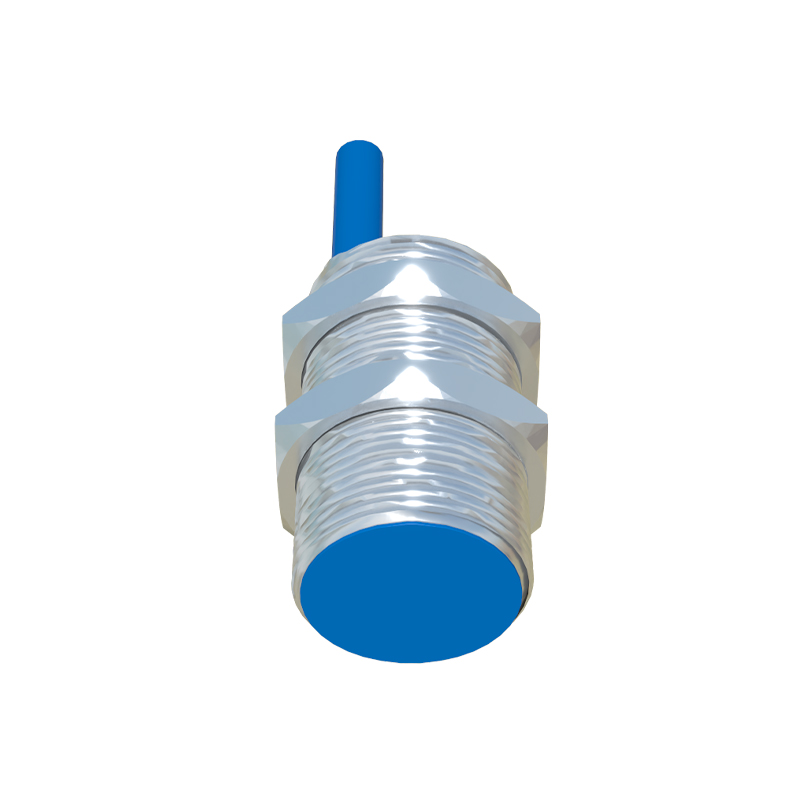
In terms of industry best practices, manufacturers conduct stress tests during R&D, simulating years of use to ensure reliability. For consumers, a practical approach is to test the sensor every 6–12 months or after any significant device modification (like screen replacement). This aligns with general device maintenance cycles and helps catch early failures. Additionally, software updates can sometimes affect sensor performance, so post-update checks are advisable.
Ultimately, the proximity sensor's durability means it rarely fails outright, but environmental and usage factors warrant occasional verification. By understanding its role and staying alert to malfunctions, users can ensure seamless operation—whether for call management, gesture controls, or battery-saving features. As mobile technology evolves with foldable phones and advanced AR applications, sensor accuracy will only grow in importance, making informed testing a key part of device upkeep.