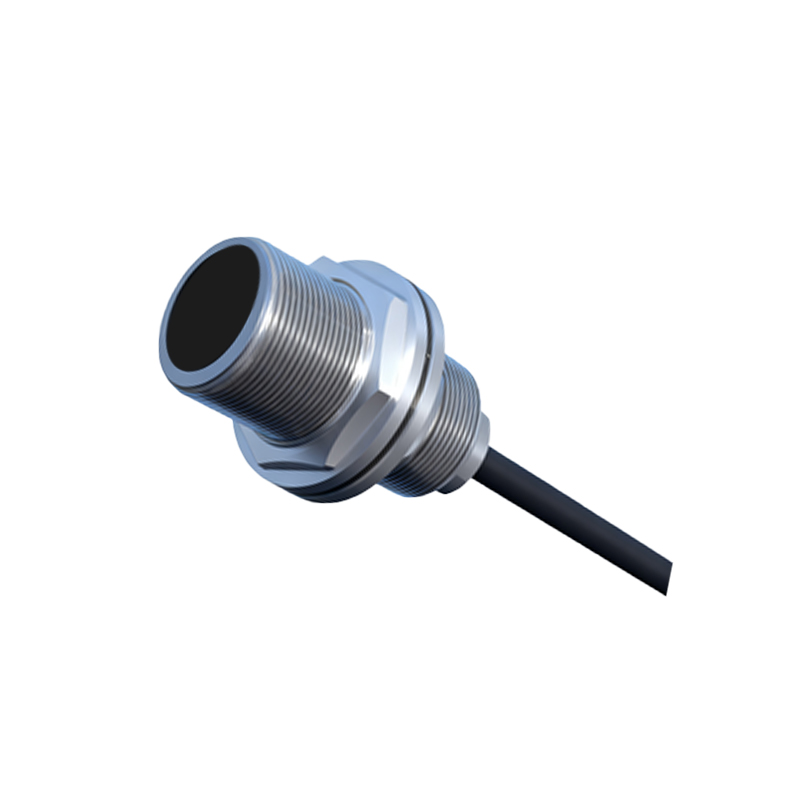
In the realm of industrial automation and machinery, proximity sensors serve as the critical eyes of a system, enabling non-contact detection of objects. Among the diverse range of sensors available, the ZJG28-2-M8-N-0 model stands out as a reliable and widely utilized component. This article provides a comprehensive technical overview of this specific inductive proximity sensor, detailing its specifications, operational principles, and typical use cases.
The ZJG28-2-M8-N-0 is a cylindrical, shielded inductive proximity sensor. The model designation itself offers key insights into its characteristics. 'ZJG' typically indicates the product series or family. '28' refers to the sensor's housing diameter, which is 28 millimeters. The '2' often denotes the sensing distance; in this case, it is 2 millimeters. 'M8' specifies the electrical connection type: an M8 quick-disconnect connector, which is a standard and convenient interface for wiring. The 'N' generally signifies a normally open (NO) output configuration, meaning the output switch is open when no target is present and closes upon detection. Finally, '0' may indicate the output type, commonly a DC 3-wire configuration (NPN or PNP, which must be verified with the specific datasheet). This sensor is designed to detect metallic objects, primarily ferrous metals like steel and iron, with optimal performance.
The core technology behind the ZJG28-2-M8-N-0 is electromagnetic induction. The sensor contains an oscillator circuit that generates a high-frequency electromagnetic field at its active face. When a conductive metal target enters this field, eddy currents are induced on the target's surface. This causes a change in the oscillation amplitude within the sensor, which is detected by a threshold circuit. This circuit then triggers a solid-state switch (the output) to change state. Being a non-contact device, it offers significant advantages over mechanical limit switches, including no physical wear, high switching frequency, and resistance to contaminants like dust, oil, and coolant.
Key technical specifications are paramount for proper integration. The operating voltage for such DC sensors is typically in the range of 10-30V DC. The rated sensing distance (Sn) is 2mm. It is crucial to note that for standard inductive sensors, the effective or guaranteed operating distance is often 0.8 times the rated distance (approximately 1.6mm here) to account for manufacturing tolerances and environmental factors. The housing is constructed from nickel-plated brass or stainless steel, offering good mechanical strength and corrosion resistance. The sensing face is usually made of a thermoplastic material like PBT. This sensor features a shielded design, meaning the electromagnetic field is concentrated at the front. This allows for flush mounting in metal, providing easier installation without requiring a lateral clearance. The output is a solid-state switch, ensuring a long operational life with hundreds of millions of cycles. Response frequency can reach several hundred Hertz, allowing for detection of rapidly moving objects. It also boasts a high degree of ingress protection, commonly rated at IP67, making it suitable for harsh industrial environments where exposure to water and dust is possible.
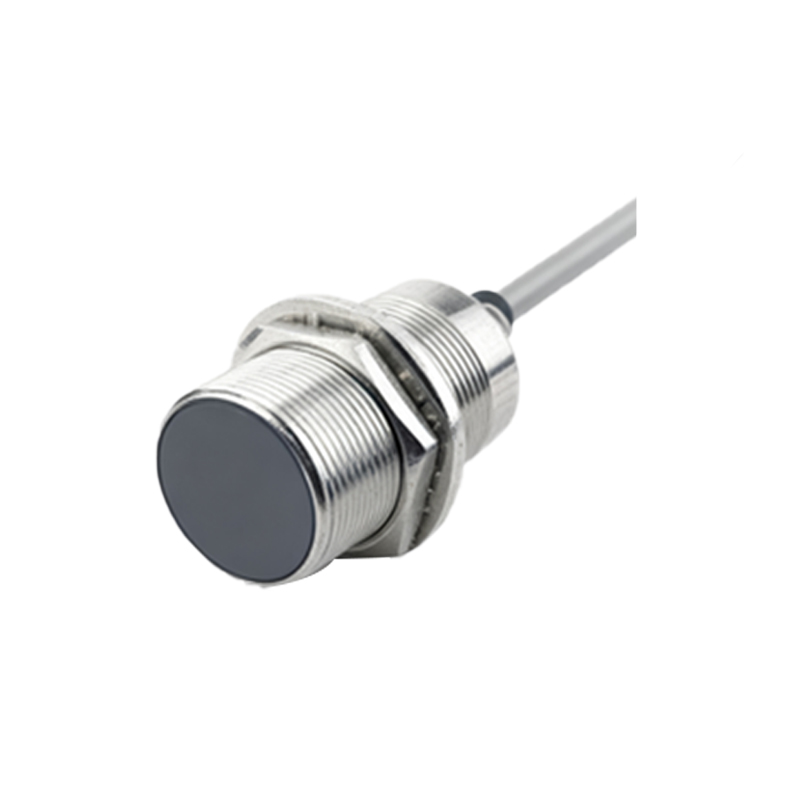
The application spectrum for the ZJG28-2-M8-N-0 is broad within factory automation. It is extensively used for position sensing, such as verifying the presence of a part on a conveyor, detecting the end position of a cylinder, or confirming the closure of a safety guard. In machine tools, it can be used for tool breakage detection or monitoring workpiece position. Its robustness makes it ideal for material handling systems, packaging machinery, and automotive assembly lines. When installing this sensor, correct alignment with the target is essential. The target should be larger than or equal to the sensor's face for reliable detection. For ferrous metals, the sensing distance is as specified; for non-ferrous metals like aluminum or copper, the effective sensing distance is reduced, a factor that must be carefully considered during system design. Wiring must conform to the specified output type (NPN sinking or PNP sourcing) to be compatible with the programmable logic controller (PLC) or other control system input card.
In summary, the ZJG28-2-M8-N-0 inductive proximity sensor is a fundamental building block in modern industrial control systems. Its robust construction, reliable performance based on proven inductive technology, and standard M8 connection make it a versatile choice for engineers. Understanding its specifications—the 2mm sensing range, shielded flush-mount capability, NO contact, and environmental resilience—is key to deploying it effectively in applications ranging from simple presence detection to complex automated sequencing. Always consult the official manufacturer's datasheet for the absolute definitive specifications, wiring diagrams, and temperature ratings before finalizing any design.