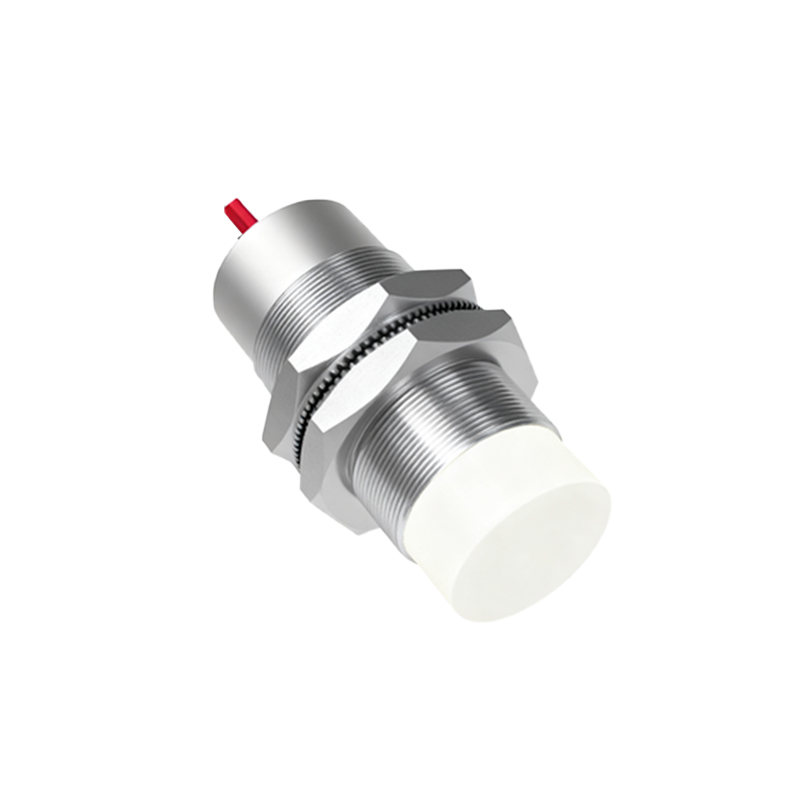
In modern industrial automation, proximity switch sensors play a critical role in enabling precise and reliable counting operations across various applications. These non-contact sensors detect the presence or absence of objects without physical interaction, making them ideal for high-speed, repetitive tasks in manufacturing, packaging, and material handling systems. Understanding how proximity switches facilitate counting involves exploring their working principles, integration with control systems, and practical implementation strategies.
Proximity switches operate based on electromagnetic, capacitive, or inductive technologies. Inductive sensors, for instance, generate an electromagnetic field to detect metallic objects, while capacitive sensors can identify both metallic and non-metallic materials by measuring changes in capacitance. When an object enters the sensor's detection range, it triggers a signal—typically a voltage pulse or digital output—that is transmitted to a programmable logic controller (PLC) or counter device. This signal serves as the fundamental input for counting sequences.
The counting process begins with sensor calibration, where parameters such as detection distance, response time, and output type are configured to match specific application requirements. For example, in a conveyor belt system, proximity sensors are mounted along the production line to monitor items as they pass by. Each detected object generates a pulse, which the PLC interprets as a single count. Advanced sensors offer features like adjustable hysteresis, which prevents double-counting caused by object vibration or irregular movement, ensuring accuracy even in dynamic environments.
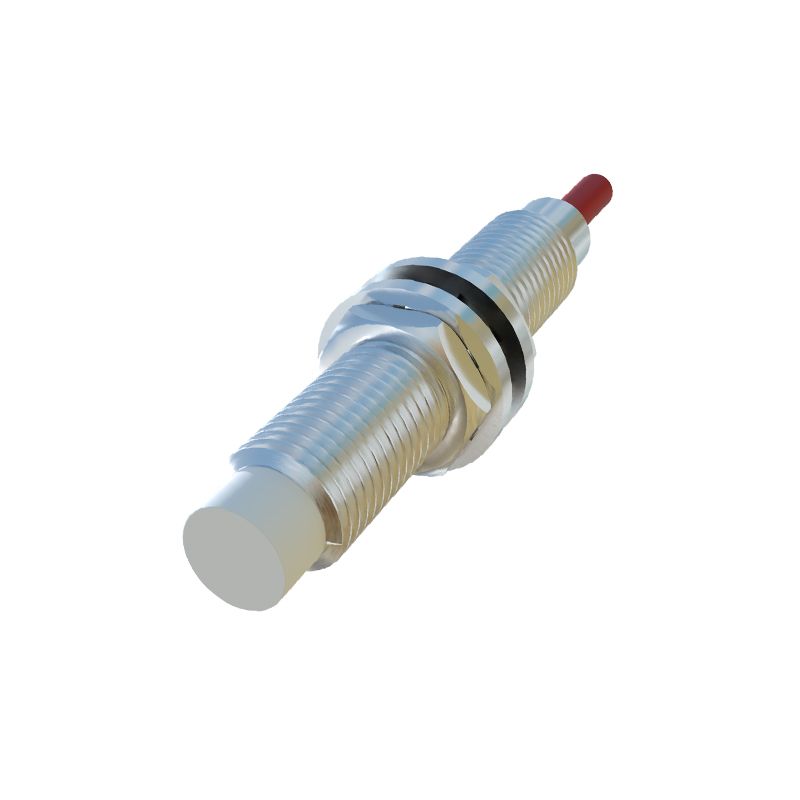
Integration with control systems is essential for effective counting. Proximity sensors connect to PLCs via discrete input modules, where ladder logic or function block programming defines counting algorithms. Counters can be configured as up-counters, down-counters, or bidirectional counters, depending on operational needs. For instance, in inventory management, an up-counter tallies items entering a storage area, while a down-counter tracks dispensed products. Real-time data from sensors enables operators to monitor production rates, detect bottlenecks, and trigger automated actions—such as stopping a conveyor when a preset count is reached.
Environmental factors significantly impact counting accuracy. Industrial settings often involve dust, moisture, temperature fluctuations, or electromagnetic interference. Selecting sensors with appropriate ingress protection (IP) ratings and shielding ensures reliable performance. Additionally, sensor placement must consider object size, shape, and speed. For small or fast-moving items, high-frequency sensors with rapid response times (e.g., under 1 millisecond) are employed to avoid missed counts. In contrast, large or slowly moving objects may require sensors with extended detection ranges.
Practical applications of proximity switch counting span diverse industries. In automotive assembly, sensors count components like bolts or gears to verify correct quantities before installation. Packaging lines use them to monitor bottle or box quantities, ensuring each batch meets specifications. Agriculture equipment employs capacitive sensors to count seeds or grains during dispensing processes. Each scenario demands tailored sensor selection—inductive sensors for metal parts, capacitive for plastics, and ultrasonic or photoelectric sensors for non-standard materials.
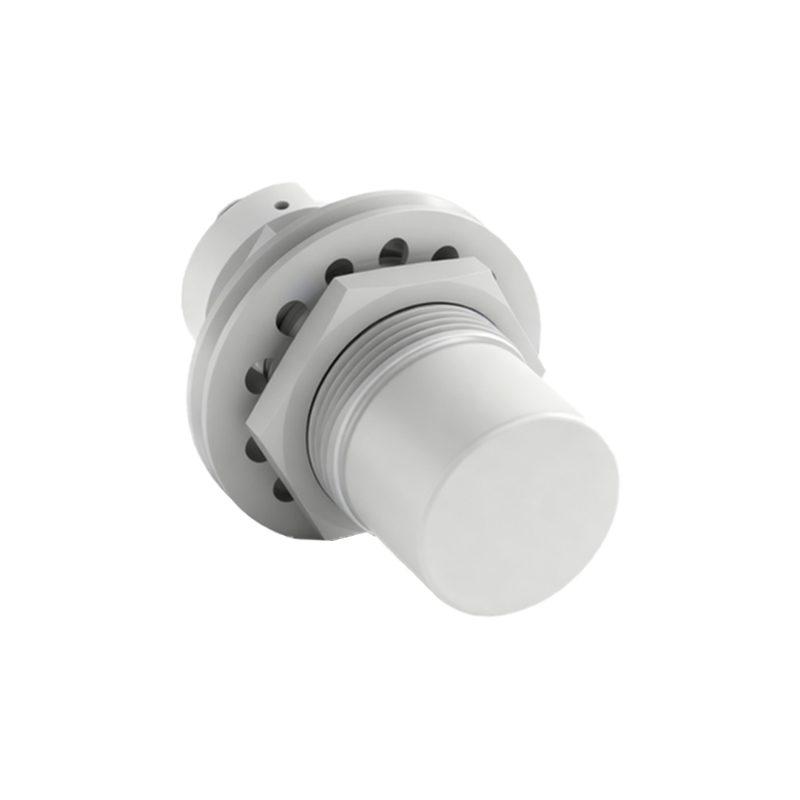
Maintenance and troubleshooting are vital for sustained accuracy. Regular calibration checks, cleaning of sensor faces, and inspection of wiring connections prevent drift or signal loss. Diagnostic tools, such as LED indicators on sensors, help identify issues like power faults or misalignment. Implementing redundancy—using multiple sensors in critical counting points—can enhance system reliability, with PLCs programmed to cross-verify counts and flag discrepancies.
In summary, proximity switch sensors transform physical object detection into actionable data for counting, driven by seamless integration with control systems and careful adaptation to industrial conditions. Their versatility and precision support automation goals, from optimizing production efficiency to ensuring quality control. As Industry 4.0 evolves, smart sensors with IoT connectivity will further enhance counting capabilities, enabling predictive analytics and adaptive control in real-time.