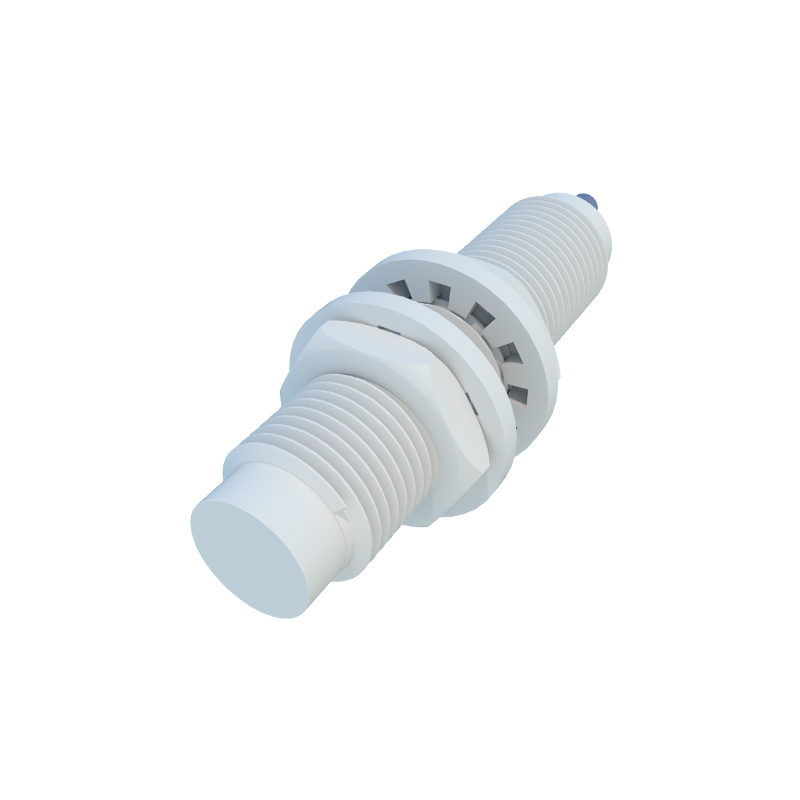
In the realm of industrial automation, proximity photoelectric switch ultrasonic sensors represent a critical fusion of optical and acoustic sensing technologies, offering unparalleled precision and reliability in object detection and distance measurement. These sensors operate on the principle of emitting either light beams or ultrasonic waves and detecting their reflection from target objects. Photoelectric variants typically utilize infrared, visible, or laser light sources, functioning excellently in clean, non-hazardous environments where rapid response and high accuracy are paramount. They excel in detecting small objects, differentiating colors, or sensing transparent materials, with response times in the microsecond range. However, their performance can be compromised by environmental factors such as dust, fog, or ambient light interference, which may scatter or absorb the light signals.
Conversely, ultrasonic sensors emit high-frequency sound waves (typically between 20 kHz to 200 kHz) and measure the time-of-flight for echoes to return. This technology is highly effective in challenging conditions where photoelectric sensors might fail, including environments with airborne particulates, steam, or varying lighting. Ultrasonic sensors are robust for detecting objects regardless of color, transparency, or material, making them ideal for liquid level sensing, bulk material detection, or presence verification in dirty industrial settings. Their main limitations include slower response times compared to photoelectric switches and potential inaccuracies with soft, sound-absorbing surfaces or in environments with significant air turbulence or temperature gradients affecting sound speed.
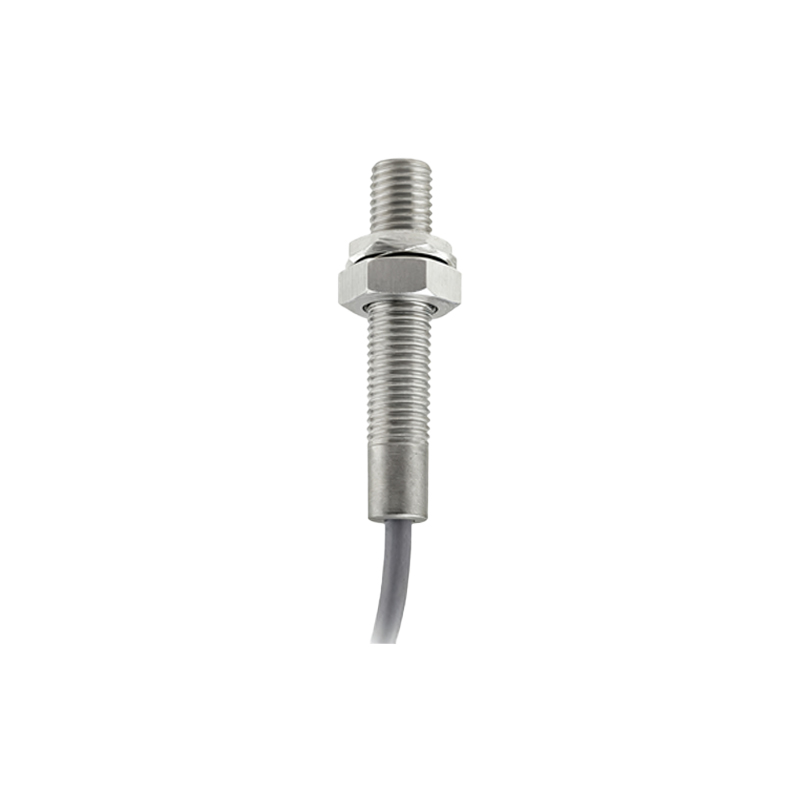
The integration of both technologies in modern industrial systems allows engineers to leverage their complementary strengths. For instance, in packaging lines, a photoelectric sensor might precisely count items on a conveyor, while an ultrasonic sensor monitors the fill level of a container above. Key selection criteria include sensing range, response time, environmental resilience, and target characteristics. Photoelectric sensors often offer longer ranges for clear mediums, whereas ultrasonic sensors provide consistent performance in opaque or variable conditions. Installation considerations involve aligning photoelectric sensors to avoid obstructions and calibrating ultrasonic sensors to account for temperature compensation, ensuring stable operation.
Advancements in sensor technology have led to hybrid designs and smart features, such as IO-Link connectivity for real-time diagnostics and parameter adjustments. These innovations enhance predictive maintenance capabilities, reducing downtime in automated factories. Ultimately, choosing between or combining proximity photoelectric and ultrasonic sensors depends on specific application demands, balancing factors like cost, precision, and environmental adaptability to optimize industrial efficiency and safety.