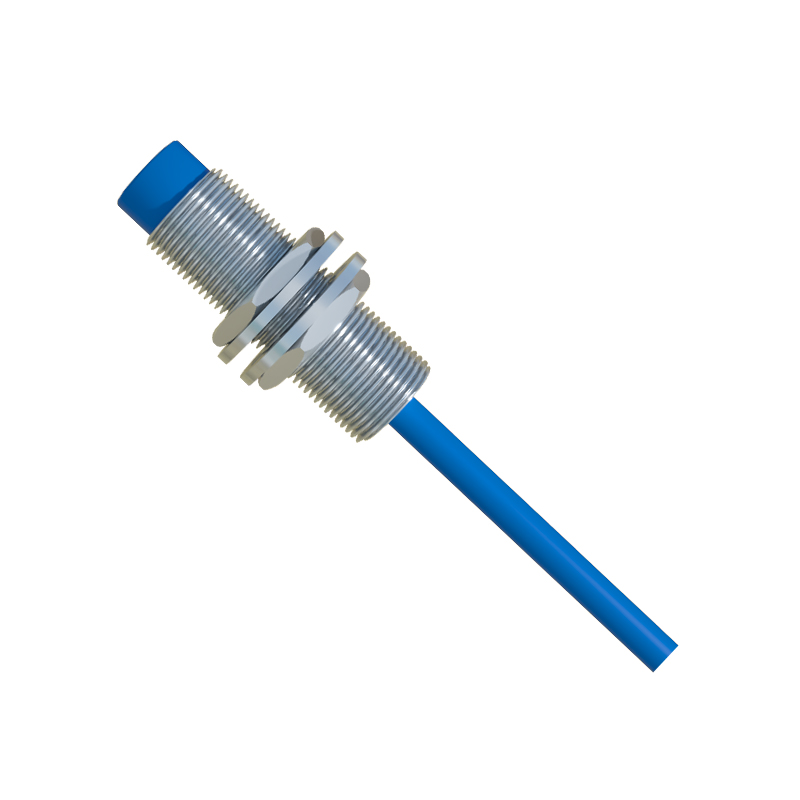
Small proximity sensors are essential components in modern automation and control systems, offering non-contact detection of objects with high precision and reliability. These sensors are widely used in industries such as packaging, automotive, electronics, and robotics due to their compact size, durability, and versatility. This article provides an in-depth overview of common small proximity sensor models, their key specifications, and selection criteria to help engineers and technicians make informed decisions for their applications.
Small proximity sensors typically operate based on inductive, capacitive, or photoelectric principles. Inductive sensors are ideal for detecting metallic objects, while capacitive sensors can sense both metallic and non-metallic materials. Photoelectric sensors use light beams to detect objects, making them suitable for a wide range of materials and distances. Each type has distinct advantages, and choosing the right one depends on factors like target material, sensing distance, environmental conditions, and installation requirements.
When selecting a small proximity sensor, key specifications to consider include sensing range, output type, response time, and housing material. Sensing range varies from a few millimeters to several centimeters, with models like the E2E-X2D1-N offering a 2mm range for precise detection, and the E2E-X5ME1 providing up to 5mm for broader applications. Output types commonly include NPN, PNP, and analog signals, with options for normally open or normally closed configurations to match control system needs. Response time is critical for high-speed applications, with sensors like the XS1N achieving response times as low as 0.1ms. Housing materials, such as stainless steel or plastic, ensure durability in harsh environments, with IP67 or higher ratings for dust and water resistance.
Popular models in the market include the Omron E2E series, known for its reliability in industrial settings, and the Pepperl+Fuchs NBN series, which offers compact designs with extended sensing distances. The Siemens 3RG series is favored for its robust performance in automotive applications, while the Balluff BES series provides high precision for electronics manufacturing. Each model comes with detailed datasheets outlining specifications like operating voltage (typically 10-30V DC), current consumption, temperature range (e.g., -25°C to 70°C), and connection methods (e.g., M8 or M12 connectors).
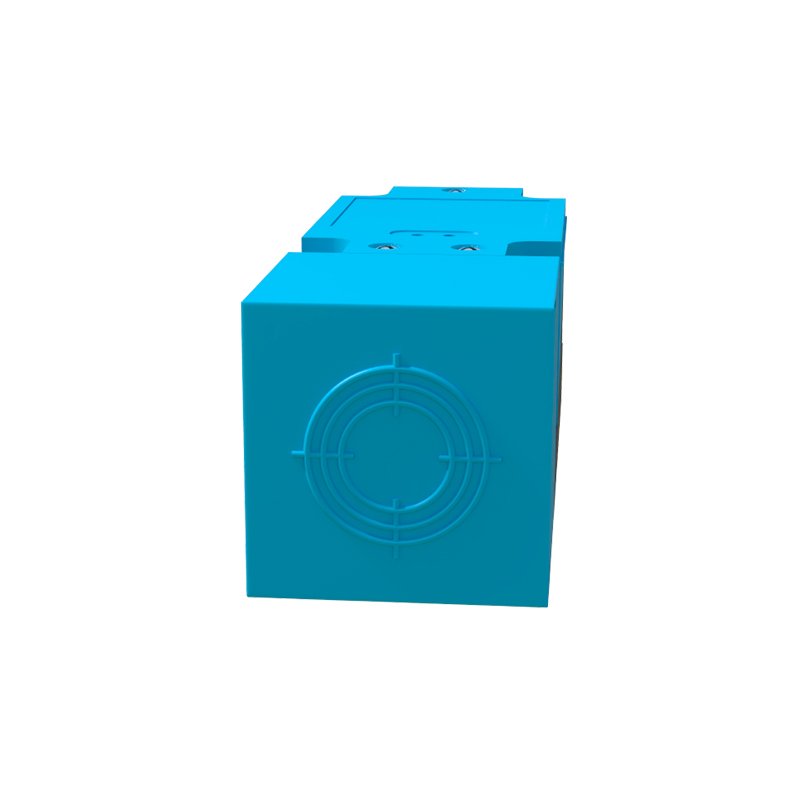
Installation and maintenance tips are crucial for optimal sensor performance. Ensure proper alignment with the target object, avoid interference from nearby metals or electrical noise, and regularly clean the sensing face to prevent false triggers. Calibration may be necessary for capacitive sensors to adjust sensitivity based on material properties. For long-term reliability, follow manufacturer guidelines for operating conditions and consider factors like vibration, shock, and chemical exposure.
In summary, small proximity sensors are vital for automation efficiency, with diverse models catering to specific needs. By understanding specifications and application requirements, users can enhance system performance and reduce downtime. Always consult technical documentation and supplier recommendations for the best fit in your project.