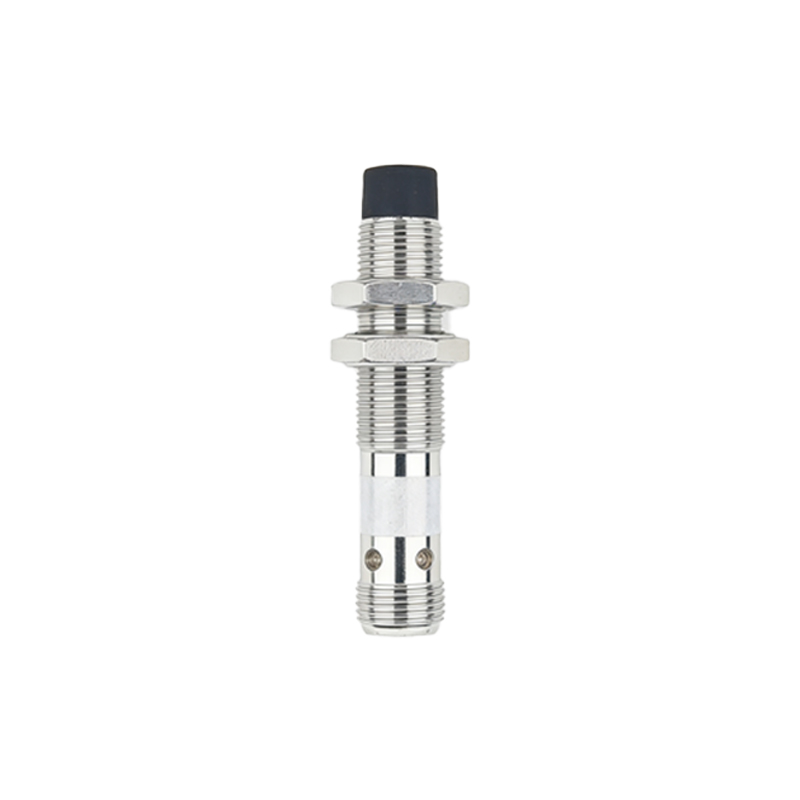
Proximity sensors have become indispensable components in modern industrial automation across Indonesia, driving efficiency, safety, and precision in various sectors such as manufacturing, mining, and logistics. These non-contact sensors detect the presence or absence of objects within their sensing range, offering reliable performance in challenging environments. In Indonesia's rapidly industrializing economy, the adoption of advanced sensor technology is crucial for maintaining competitive edge and supporting infrastructure development.
The Indonesian market primarily utilizes inductive, capacitive, and photoelectric proximity sensors. Inductive sensors are favored in metal-rich environments like automotive and machinery manufacturing due to their ability to detect metallic objects without physical contact. Capacitive sensors, on the other hand, are versatile in detecting both metallic and non-metallic materials, making them ideal for food processing, packaging, and chemical industries. Photoelectric sensors, using light beams for detection, excel in long-range applications and are commonly deployed in conveyor systems and warehouse automation.
Key industries in Indonesia benefiting from proximity sensors include palm oil processing, automotive assembly, and electronics manufacturing. In palm oil plants, sensors monitor equipment movement and ensure safe operation of machinery, reducing downtime and preventing accidents. Automotive factories rely on sensors for precise positioning of components on assembly lines, enhancing production speed and quality control. The growing electronics sector uses these sensors for PCB assembly and testing, where minute tolerances are critical.
Challenges in deploying proximity sensors in Indonesia involve environmental factors such as high humidity, dust, and temperature variations, particularly in outdoor or harsh industrial settings. Selecting sensors with appropriate ingress protection (IP) ratings and robust housing is essential for longevity. Additionally, integrating sensors with existing PLCs and control systems requires technical expertise, highlighting the need for skilled local engineers and reliable suppliers.
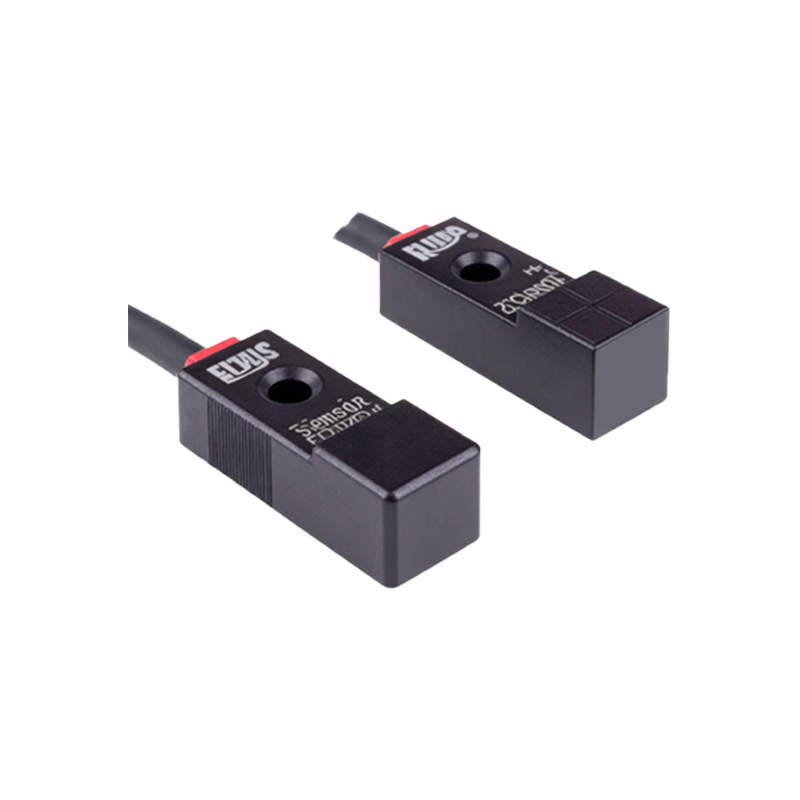
Recent trends show increasing demand for IO-Link enabled proximity sensors, which facilitate smart factory initiatives by providing diagnostic data and enabling predictive maintenance. This aligns with Indonesia's Industry 4.0 roadmap, aiming to digitalize manufacturing processes. Wireless sensor networks are also gaining traction, simplifying installation in expansive facilities like mining sites and ports.
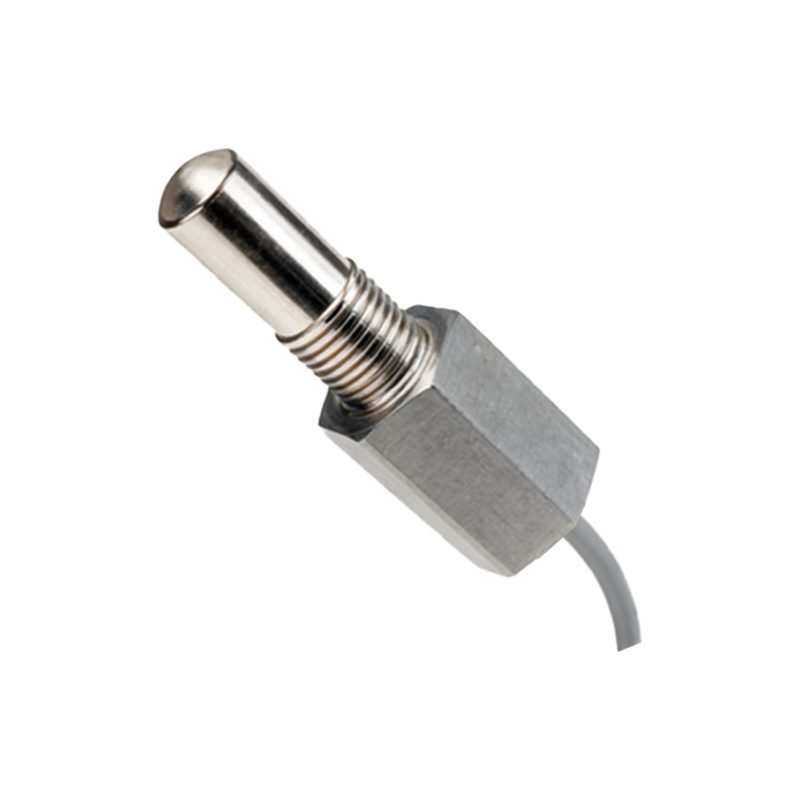
To maximize benefits, companies should partner with reputable distributors offering technical support and calibration services. Regular maintenance, including cleaning sensing surfaces and checking wiring, ensures optimal performance. Training personnel on sensor programming and troubleshooting further enhances operational reliability.
As Indonesia continues to invest in infrastructure and technology, proximity sensors will play a pivotal role in automating processes, reducing waste, and improving safety standards. By leveraging appropriate sensor solutions, industries can achieve higher productivity and contribute to sustainable economic growth.