In the rapidly evolving landscape of industrial automation and smart systems, low power metal proximity sensors have become indispensable components. These sensors are designed to detect the presence or absence of metallic objects without physical contact, while consuming minimal electrical energy. This characteristic makes them ideal for battery-operated devices, energy-efficient machinery, and sustainable IoT applications. The following sections delve into the primary types of low power metal proximity sensors, their operating principles, and key industry uses.
Inductive proximity sensors are among the most common low power variants. They generate an electromagnetic field and detect changes caused by metallic targets. Advanced models incorporate micro-power circuits and sleep modes, drastically reducing average current draw to as low as a few microamperes. These sensors excel in harsh environments, resisting dust, moisture, and vibrations, and are widely deployed in automotive assembly lines, packaging machinery, and robotic arms for position sensing and object counting.
Capacitive proximity sensors, while often associated with non-metallic materials, can be optimized for metal detection with low power consumption. They measure changes in capacitance when a metal object enters their electrostatic field. By utilizing pulsed operation and power-saving ICs, these sensors maintain high sensitivity while operating on minimal energy. Applications include level detection in metal containers, touch-sensitive interfaces in consumer electronics, and presence sensing in energy-conscious building automation systems.
Magnetic proximity sensors, such as reed switches or Hall effect sensors, are inherently low power when configured properly. They react to magnetic fields, often from a magnet attached to a moving metal part. Hall effect sensors, in particular, with CMOS technology, can achieve ultra-low quiescent currents. These are pivotal in security systems (door/window sensors), automotive gearbox position detection, and battery-powered flow meters where durability and energy efficiency are paramount.
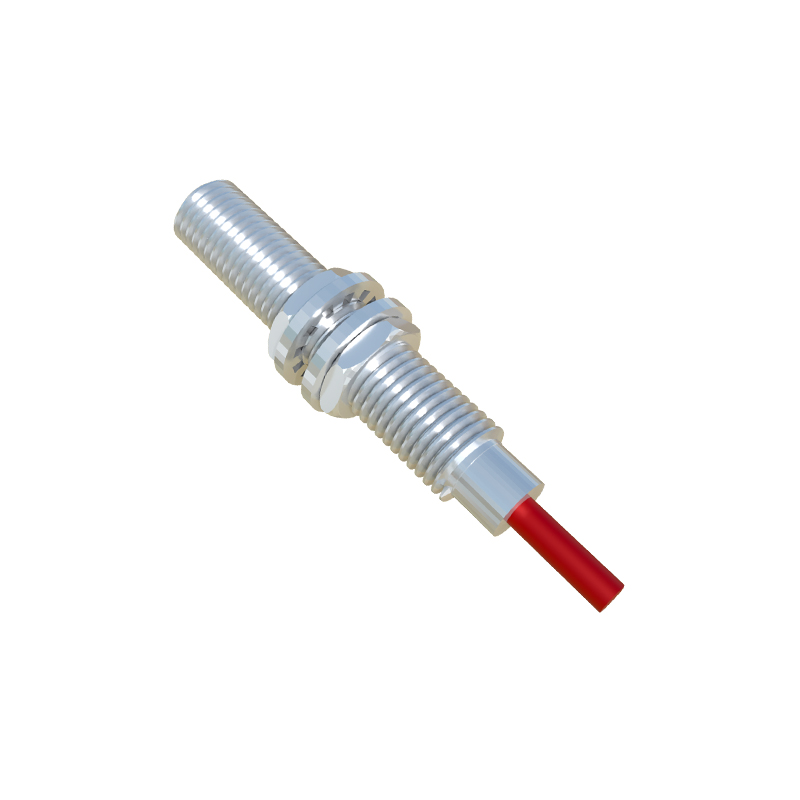
Recent innovations include magnetoresistive sensors, which detect changes in magnetic field resistance due to nearby ferrous metals. They offer exceptional sensitivity at very low power levels, suitable for precision applications like tamper detection in smart meters or angular position sensing in miniature medical devices. Additionally, the integration of wireless protocols like Bluetooth Low Energy (BLE) or Zigbee with these sensors enables smart, low-power metal detection networks for asset tracking and predictive maintenance in Industry 4.0 setups.
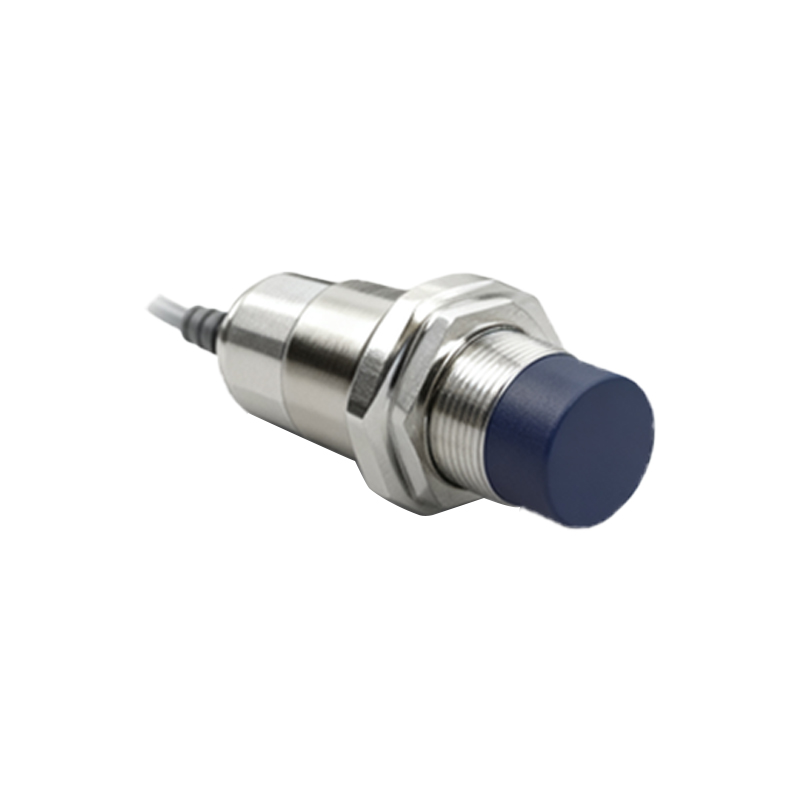
Selecting the appropriate low power metal proximity sensor involves considering factors such as detection range, target metal type (ferrous vs. non-ferrous), response time, and environmental conditions. Engineers must balance power budgets with performance requirements, often leveraging duty cycling and advanced signal processing to extend battery life. As industries push towards greener operations and extended device autonomy, the development of even more efficient sensor technologies continues to accelerate, promising enhanced reliability and broader adoption across sectors from manufacturing to smart infrastructure.