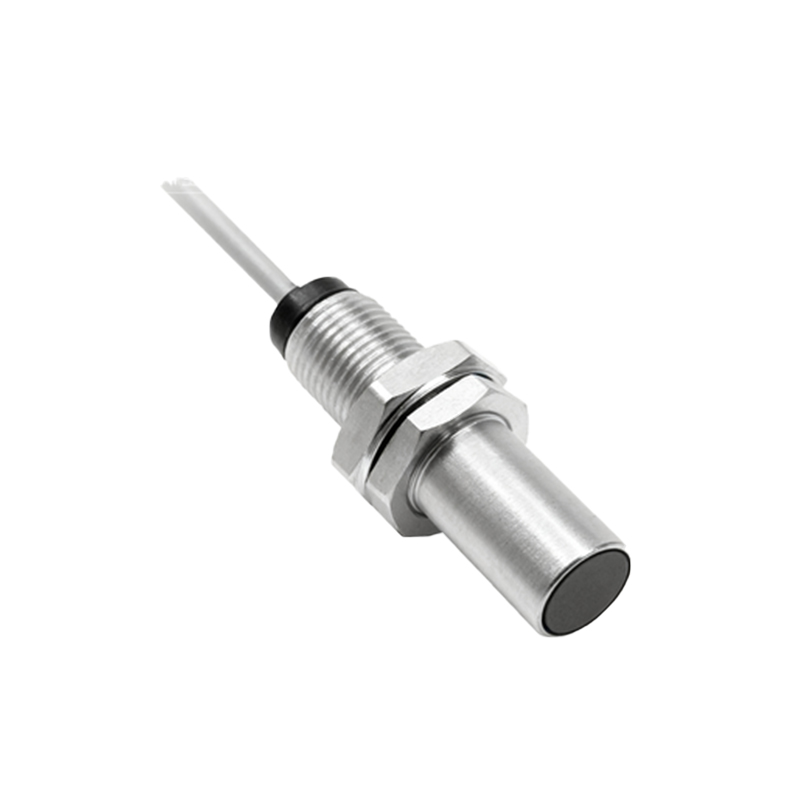
In the industrial automation and electrical engineering sectors, low temperature proximity sensors are critical components designed to operate reliably in harsh, cold environments. These sensors are widely used in applications such as cold storage facilities, outdoor machinery in polar regions, and cryogenic processing plants. The factory price of these sensors is influenced by a variety of factors, including material selection, technological complexity, production scale, and market demand.
Firstly, the choice of materials significantly impacts the cost. Low temperature proximity sensors must be constructed from materials that can withstand extreme cold without becoming brittle or losing functionality. Stainless steel housings, specialized seals, and temperature-resistant electronic components are commonly used, but these materials come at a premium. For instance, sensors rated for temperatures as low as -40°C to -196°C often incorporate advanced alloys and polymers, which increase raw material expenses. Additionally, the integration of heating elements or thermal insulation to prevent condensation and icing further adds to the material cost.
Technological complexity is another major driver of price. Sensors designed for low temperature environments require precise calibration and robust circuitry to ensure accurate detection and signal transmission under thermal stress. Advanced features like self-diagnostic capabilities, adjustable sensing ranges, and compatibility with industrial communication protocols (e.g., IO-Link, PROFINET) enhance functionality but also raise development and manufacturing costs. Moreover, rigorous testing procedures—such as thermal cycling, vibration tests, and IP rating certifications for moisture and dust resistance—contribute to higher production expenses, as they ensure reliability and longevity in demanding conditions.
Production scale and economies of scale play a crucial role in determining factory prices. Large-scale manufacturers can often reduce per-unit costs through bulk purchasing of materials and optimized assembly lines. However, low temperature proximity sensors are typically produced in smaller batches compared to standard sensors, due to niche applications and specialized requirements. This limited production volume can lead to higher prices, as fixed costs (e.g., R&D, tooling) are distributed across fewer units. Customization requests from clients, such as specific cable lengths, connector types, or output configurations, can also increase prices, as they require additional engineering and manual labor.
Market demand and competitive landscape further influence pricing. Industries like food and beverage, pharmaceuticals, and aerospace, which rely on cold chain logistics and low temperature processes, create steady demand for these sensors. However, fluctuations in global supply chains—such as shortages of electronic chips or raw materials—can cause price volatility. Additionally, the presence of established brands versus emerging manufacturers affects pricing strategies. Well-known brands may charge a premium for proven reliability and after-sales support, while newer entrants might offer competitive prices to gain market share, though potentially at the cost of extensive testing or warranty coverage.
When evaluating factory prices, it is essential for buyers to consider total cost of ownership rather than just the initial purchase price. Factors like energy efficiency, maintenance requirements, and durability in low temperature settings can lead to long-term savings. For example, a sensor with a higher upfront cost but lower failure rates in cold environments may reduce downtime and replacement expenses. Furthermore, suppliers often provide volume discounts or contractual agreements for ongoing projects, which can make premium sensors more affordable over time.
In conclusion, the factory price of low temperature proximity sensors is a multifaceted aspect shaped by material quality, technological advancements, production scales, and market dynamics. Engineers and procurement specialists should conduct thorough assessments based on their specific application needs, environmental conditions, and budget constraints. By understanding these factors, businesses can make informed decisions that balance cost with performance, ensuring optimal functionality in challenging low temperature operations.