In industrial automation and control systems, the integration of sensors with actuators like relays is fundamental. Among various sensor types, the two-wire proximity sensor stands out for its simplicity and reliability. Unlike three-wire sensors that require separate power, signal, and ground lines, a two-wire proximity sensor operates in series with the load, simplifying wiring and reducing costs. This article provides a detailed, step-by-step guide on correctly connecting a two-wire proximity sensor to a relay, ensuring safe and efficient operation in your electrical control panels.
First, it is crucial to understand the basic operating principle of a two-wire AC or DC proximity sensor. The sensor itself acts as a switch. In its normal state (when no target is detected), it allows a small leakage current to flow, which is insufficient to energize a standard relay coil. When a metal target enters its sensing range, the internal switch closes (for normally open, NO, types), allowing the full load current to pass through. This current is then used to power the relay coil. The key specification to verify is the sensor's minimum operating current. It must be lower than the relay coil's required current to ensure the sensor can reliably "switch on" when a target is present. Conversely, the sensor's maximum current rating must not be exceeded by the relay coil's inrush and holding current.
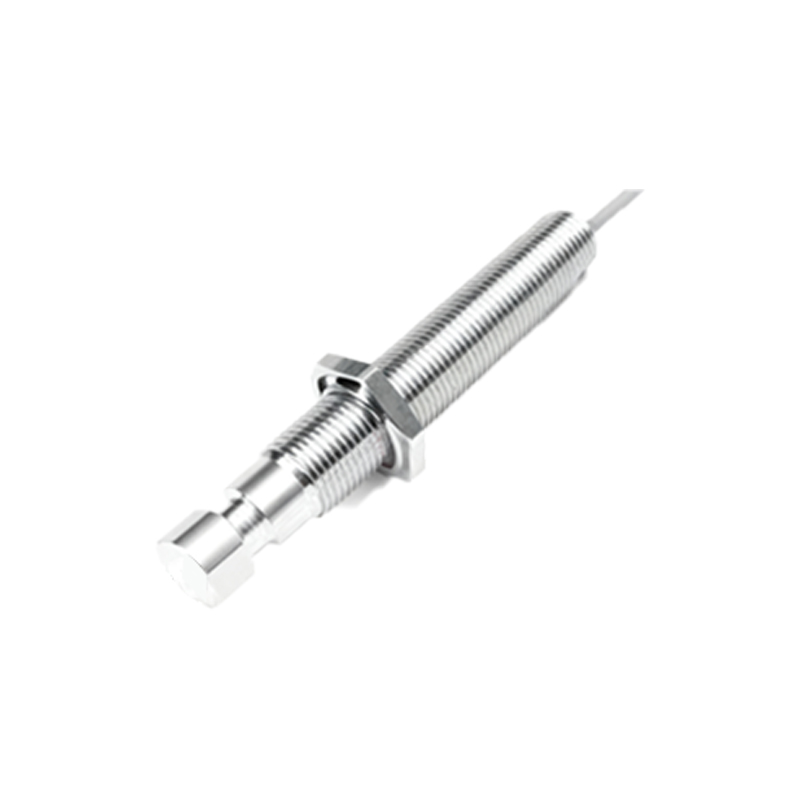
Now, let's proceed to the wiring procedure. The components you will need are: a two-wire proximity sensor (ensure voltage rating, AC or DC, matches your power supply), a relay with a coil rating matching the same supply voltage, a power source (e.g., 24V DC or 120V AC), and the necessary cables and terminals.
For a standard setup, follow these steps:
1. Power Supply Connection: Identify the two wires of the proximity sensor. Typically, they are not polarized for AC sensors, but for DC sensors, one wire is positive (often brown) and the other is negative/load (often blue). Consult the sensor's datasheet.
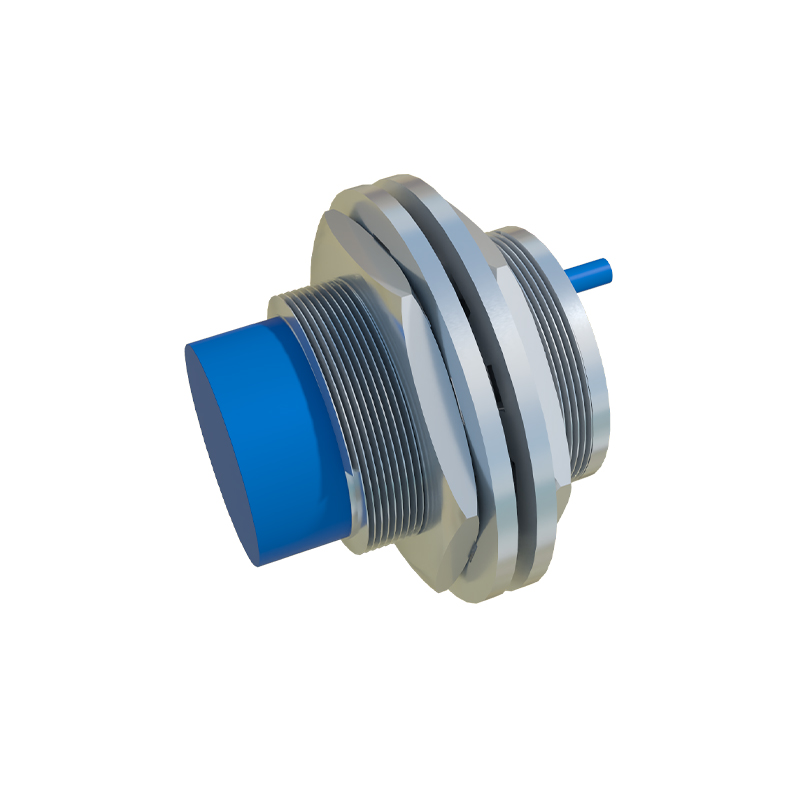
2. Series Circuit Creation: Connect one terminal of your power supply (e.g., L1 or +V) directly to one wire of the sensor.
3. Integrating the Relay: Connect the second wire from the sensor to one terminal of the relay's coil.
4. Completing the Circuit: Finally, connect the second terminal of the relay's coil back to the other side of the power supply (e.g., Neutral or 0V/-V).
This forms a complete series loop: Power Supply -> Sensor -> Relay Coil -> Power Supply. When the sensor detects an object, it closes the circuit, allowing current to flow through the relay coil, thus energizing it and changing the state of its contacts.
Critical Considerations for Reliable Operation:
Leakage Current: Two-wire sensors have a residual or leakage current (typically 1-3 mA) when in the "off" state. This current can cause certain sensitive relays or PLC inputs to remain partially energized, leading to malfunction. To mitigate this, always use a relay with a low minimum operating current or a "low-load" or "high-sensitivity" relay designed specifically for two-wire sensor interfaces. Alternatively, a bleeder/resistor can be wired in parallel with the relay coil to shunt the leakage current.
Voltage Drop: The sensor itself has an internal voltage drop (often 5-10V). You must account for this to ensure the relay coil receives adequate voltage. For example, if using a 24V DC supply and a sensor with an 8V drop, the relay coil will see approximately 16V. Therefore, the relay must be rated to operate reliably at this lower voltage.
Load Compatibility: Never exceed the sensor's maximum switching current. The relay coil's inrush current (the initial surge when energized) is particularly important. If the inrush current is too high, it can damage the sensor's solid-state switching element. Always check both the sensor's datasheet and the relay coil specifications.
Protection Devices: For AC circuits, consider adding a Metal Oxide Varistor (MOV) across the sensor to suppress voltage spikes. For DC circuits, a freewheeling diode across the relay coil is essential to suppress the inductive kickback voltage generated when the coil is de-energized, which could otherwise damage the sensor.
A common application is in conveyor systems, where a two-wire proximity sensor detects a passing metal part and triggers a relay. The relay's contacts can then control a higher-power device like a motor starter, solenoid valve, or an indicator lamp. This provides excellent electrical isolation between the sensitive sensor circuit and the noisy power circuit of the motor.
In conclusion, wiring