In the realm of industrial automation, the reliable detection of metallic objects is a cornerstone of countless processes. Among the diverse array of sensing technologies, the square metal inductive proximity sensor stands out for its robustness, precision, and versatility. This article delves into the operational principles, key design features, application advantages, and selection criteria for these essential components, providing a detailed technical perspective for engineers and system integrators.
At its core, an inductive proximity sensor operates on the principle of electromagnetic induction. The sensor generates a high-frequency oscillating electromagnetic field from its active face. When a conductive metal target enters this field, eddy currents are induced on the target's surface. This energy loss dampens the oscillation within the sensor's coil circuit. An integrated evaluation circuit detects this amplitude change and triggers a solid-state switching output, typically in the form of a PNP or NPN transistor. The "square" form factor refers to the sensor's housing geometry, which is often preferred for applications requiring straightforward mounting on flat surfaces or within machined slots, offering excellent stability and resistance to torsional forces.
The construction of a square metal inductive sensor is engineered for harsh industrial environments. The housing is commonly fabricated from nickel-plated brass or stainless steel, providing exceptional resistance to mechanical impact, chemicals, and washdown procedures. A critical component is the sensing face, which is often made of a specialized polymer or ceramic material. This face must allow the electromagnetic field to pass through while protecting the internal coil and electronics from physical damage and environmental contaminants. Internally, the sensor comprises the oscillator coil, the demodulator, the trigger circuit, and the output amplifier. Modern designs frequently incorporate protection against short-circuits, overload, reverse polarity, and electromagnetic interference (EMI), ensuring reliable operation alongside variable-frequency drives and welding equipment.
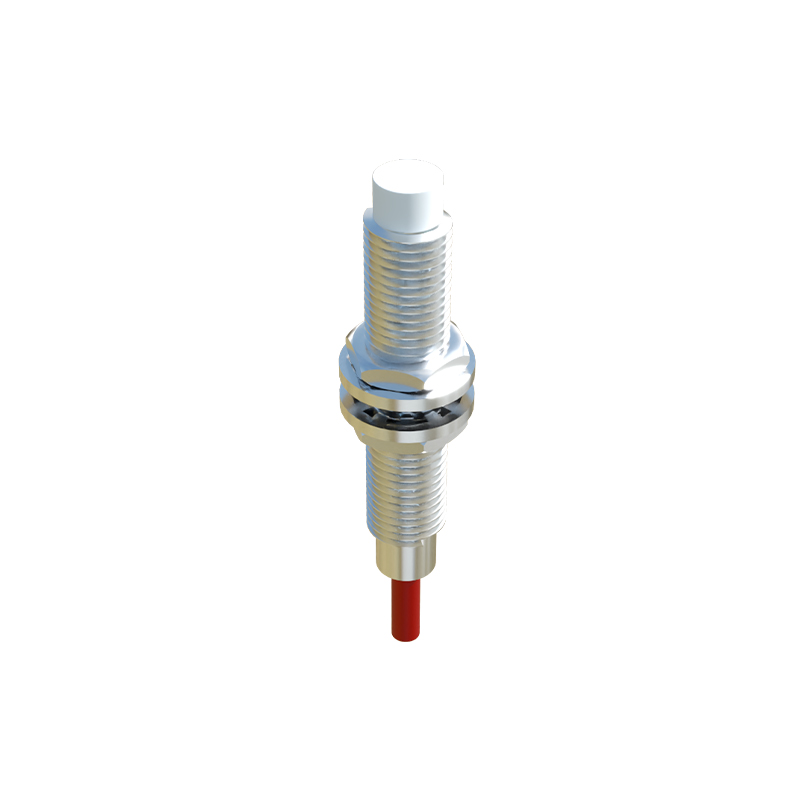
One of the primary technical specifications is the rated operating distance (Sn), defined as the nominal switching distance for a standard target. For square sensors, this typically ranges from 2mm to 40mm, depending on the model. It is crucial to note that the actual sensing distance can be affected by the target material. A correction factor (e.g., 1.0 for mild steel, ~0.5 for stainless steel, ~0.3 for aluminum) must be applied. These sensors are inherently "factor 1" devices, meaning they can detect all metals, albeit at different effective ranges. The switching frequency, indicating how many on/off cycles per second the sensor can handle, is another vital parameter for high-speed applications like part counting on conveyor belts.
The advantages of the square form factor are numerous in practical applications. Their flat sides facilitate easy alignment and secure mounting using standard brackets or directly into T-slots on machine frames. This shape often allows for a more compact installation in tight spaces compared to cylindrical housings. Common applications include position sensing of machine tool slides, end-of-travel detection on actuators, presence verification of metal parts in assembly fixtures, and jam detection in material handling systems. Their inherent ability to detect only metallic objects makes them immune to false triggers from dust, oil, water, or non-metallic debris—a significant advantage over optical sensors in dirty environments.
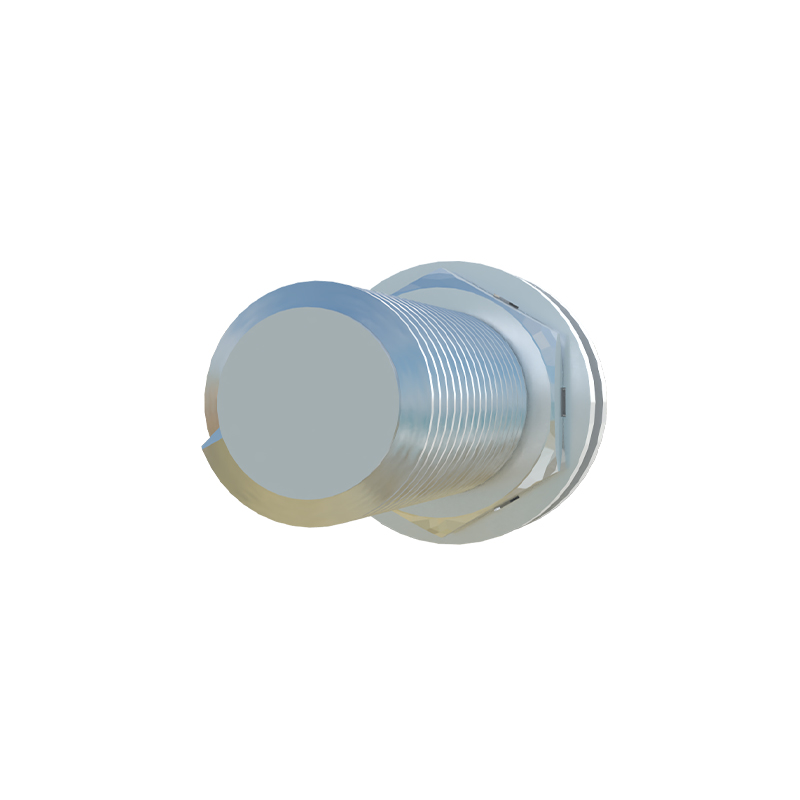
When selecting a square inductive proximity sensor, several factors must be meticulously evaluated. First, define the required sensing distance with the specific target material in mind. Next, consider the electrical requirements: operating voltage (commonly 10-30V DC or 20-250V AC), output type (PNP normally open/closed, NPN, analog 4-20mA), and current rating. The environmental rating, denoted by IP (Ingress Protection) codes like IP67 or IP69K, is critical for exposure to coolants, oils, or high-pressure washdown. For applications involving different metal types, a sensor with a reduced correction factor spread or a "non-ferrous only" variant may be necessary to ensure consistent performance. Finally, consider special features like weld-field immunity, which uses a special metallic housing and shielding to withstand the intense magnetic fields from resistance welding, or high-temperature variants for foundry applications.
In conclusion, the square metal inductive proximity sensor is a paragon of reliability in factory automation. Its simple yet effective operating principle, combined with a rugged square housing design, makes it an indispensable tool for position and presence sensing of metallic objects. By understanding its technical specifications, environmental capabilities, and application nuances, engineers can deploy these sensors to enhance system reliability, improve safety, and optimize production efficiency across a vast spectrum of industrial machinery and automated systems.