In the rapidly evolving landscape of new energy technologies—spanning electric vehicles (EVs), renewable energy systems, and smart grids—proximity sensors have become indispensable components. These devices, which detect the presence or absence of objects without physical contact, are critical for ensuring safety, efficiency, and automation. However, determining the cost of proximity sensors in this sector is not straightforward, as it hinges on a multitude of factors including sensor type, performance specifications, application environment, and supply chain dynamics.
Proximity sensors used in new energy applications primarily include inductive, capacitive, ultrasonic, and magnetic variants. Inductive sensors, commonly employed in EV motor assemblies and charging infrastructure, typically range from $20 to $100 per unit. Their cost varies based on detection range, material compatibility (e.g., for metallic objects), and environmental ratings such as IP67 for dust and water resistance. Capacitive sensors, suitable for non-metallic material detection in battery management systems or solar panel installations, may cost between $25 and $120, influenced by sensitivity adjustments and housing durability. Ultrasonic sensors, utilized in vehicle parking assistance or wind turbine blade monitoring, often fall in the $30 to $150 bracket, with higher prices for extended ranges and robust designs that withstand outdoor conditions. Magnetic sensors, integral to position sensing in EV powertrains, generally range from $15 to $80, depending on precision and temperature tolerance.
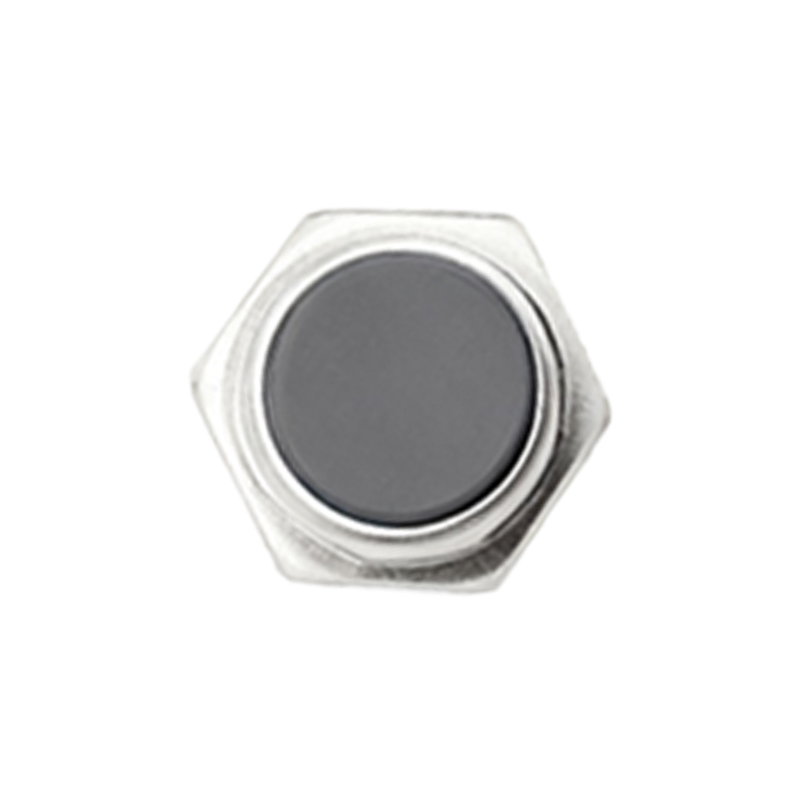
Beyond the core sensor type, several elements drive cost fluctuations. Performance metrics like response time, accuracy, and operating frequency can elevate prices by 10-30%. For instance, high-speed sensors for real-time monitoring in grid inverters might command a premium. Environmental resilience is another key factor; sensors designed for extreme temperatures, corrosive atmospheres, or high-vibration settings (common in offshore wind farms or EV undercarriages) often incorporate specialized materials and coatings, adding 20-50% to the base cost. Additionally, certification standards—such as ISO 26262 for automotive safety or UL listings for industrial equipment—can increase expenses due to rigorous testing and compliance requirements.
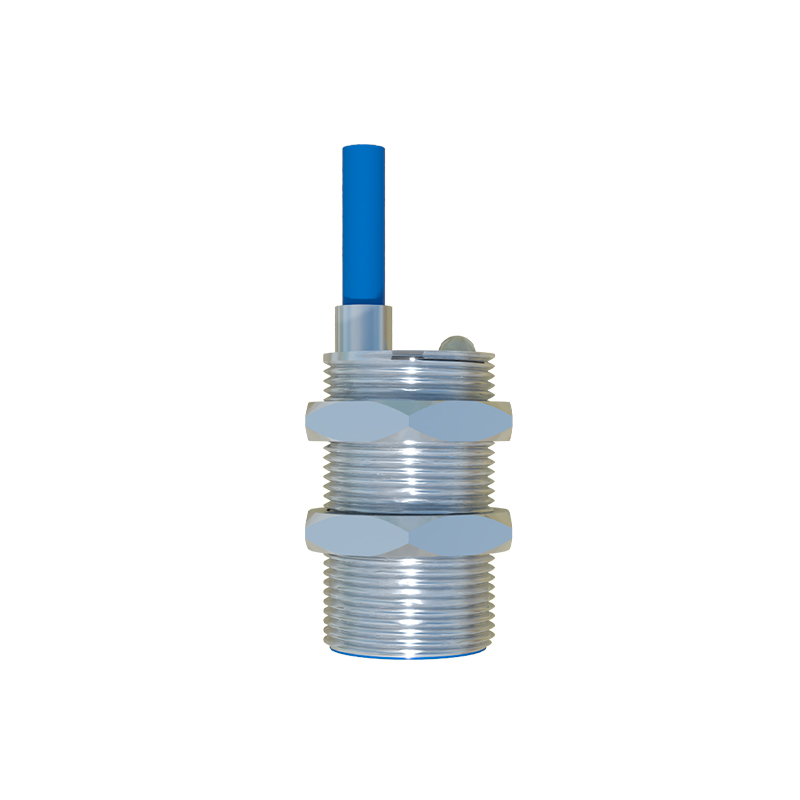
The supply chain and market trends also play a pivotal role. With the global push toward electrification, demand for proximity sensors has surged, leading to potential shortages and price volatility. Bulk procurement from manufacturers like Omron, Schneider Electric, or Sick AG may reduce unit costs by 15-25%, but custom-engineered solutions for niche new energy applications often incur higher upfront fees. Regional factors matter too; sensors produced in North America or Europe might be priced 10-20% higher than those from Asian suppliers, though they may offer longer warranties or better technical support.
In summary, the cost of proximity sensors for new energy applications is highly variable, typically spanning from $15 to $150 per unit. For large-scale projects—such as equipping an EV manufacturing line or a solar farm—total expenses can reach thousands of dollars, emphasizing the need for careful selection based on technical requirements and lifecycle value. As innovation accelerates, prices may gradually decline with economies of scale, but investing in reliable, application-specific sensors remains crucial for optimizing performance and safety in the new energy era.