Proximity switch sensors are indispensable components in modern industrial automation, particularly in the operation of side hole machines. These machines, used extensively in manufacturing for drilling, tapping, or creating lateral apertures in workpieces, rely on precise, non-contact sensing to ensure accuracy, safety, and efficiency. As an electrical engineer specializing in industrial systems, understanding the selection, application, and integration of these sensors is crucial for optimizing machine performance.
At their core, proximity switches for side hole machines are non-contact sensors that detect the presence or absence of a target object—typically the workpiece, tool, or a machine part—within a specified sensing range. They operate without physical contact, eliminating mechanical wear and enabling high-speed, reliable detection. The most common types used in this context are inductive and capacitive proximity sensors. Inductive sensors are ideal for detecting metallic objects, making them perfect for sensing the position of metal workpieces or tool bits in a side hole machine. Capacitive sensors, on the other hand, can detect both metallic and non-metallic materials, such as plastics or liquids, which might be relevant in machines handling composite materials.
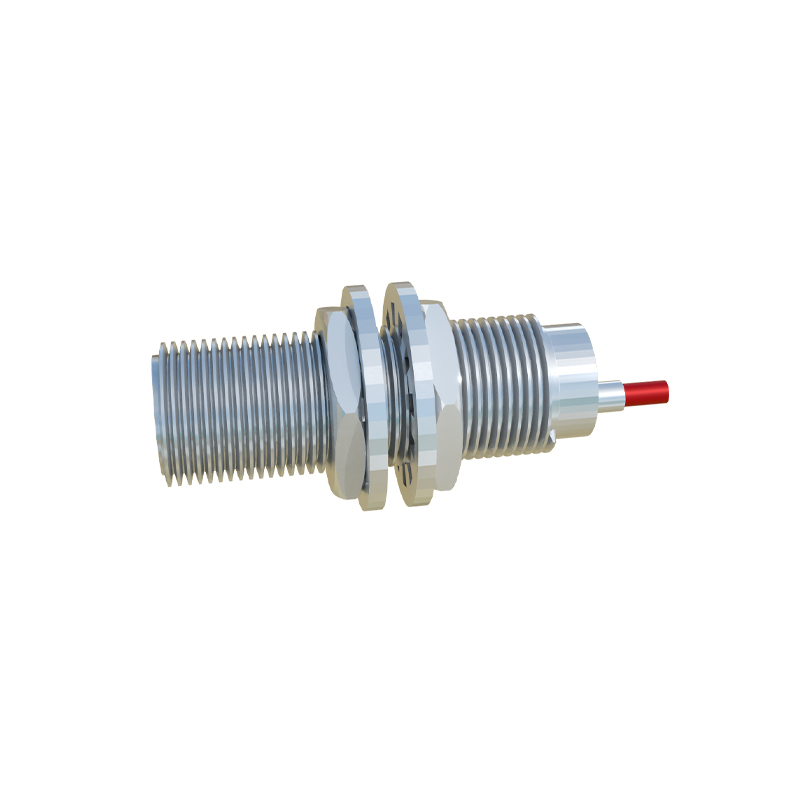
The integration of these sensors into side hole machines serves multiple critical functions. Primarily, they provide precise positional feedback. For instance, a sensor can confirm that a workpiece is correctly clamped in position before the drilling cycle begins, preventing misalignment and potential tool damage. They also enable end-of-travel detection for moving components like the drill head or lateral slides, ensuring movements are within safe limits. Furthermore, proximity switches contribute to safety interlocking, halting operation if a guard door is opened or if an unexpected obstruction is detected near the moving mechanism.
Selecting the right sensor involves several technical considerations. The sensing distance, or range, must be chosen based on the application's mechanical layout. Side hole machines often have compact designs, requiring sensors with short sensing ranges but high precision. Environmental factors are paramount; these machines generate metal chips, coolant mist, and vibrations. Therefore, sensors with high ingress protection ratings (e.g., IP67) are necessary to resist dust and coolant ingress. The housing material, typically stainless steel or nickel-plated brass, must withstand harsh conditions. Electrical output type is another key decision. While traditional two-wire AC/DC sensors are common, three-wire DC sensors (PNP or NPN) offer more stable performance for PLC (Programmable Logic Controller) integration, which is standard in automated side hole machines. The switching frequency must also match the machine's operational speed to ensure no detection events are missed.
Installation and wiring practices significantly impact reliability. Sensors should be mounted securely to minimize vibration-induced false signals. Proper shielding of cables is essential in electrically noisy industrial environments to prevent electromagnetic interference from motors or drives. Regular maintenance, though minimal, involves checking for physical damage, buildup of debris on the sensing face, and verifying the electrical connection. A common troubleshooting issue is a gradual reduction in effective sensing range, often caused by accumulated metallic dust on an inductive sensor's face, which can be easily cleaned.
The future of proximity sensing in side hole machines is leaning towards smarter, more integrated solutions. IO-Link enabled sensors are gaining traction, offering digital communication that allows for parameter setting, condition monitoring, and diagnostic data transmission directly to the control system. This facilitates predictive maintenance, where engineers can monitor sensor health and performance trends, reducing unplanned downtime.
In conclusion, proximity switch sensors are the silent guardians of side hole machine operation. Their correct selection and application directly influence machining precision, operational safety, and overall productivity. For electrical engineers, a deep technical grasp of these components—from their operating principles to advanced networking capabilities—is fundamental to designing and maintaining robust, efficient, and future-ready manufacturing systems.