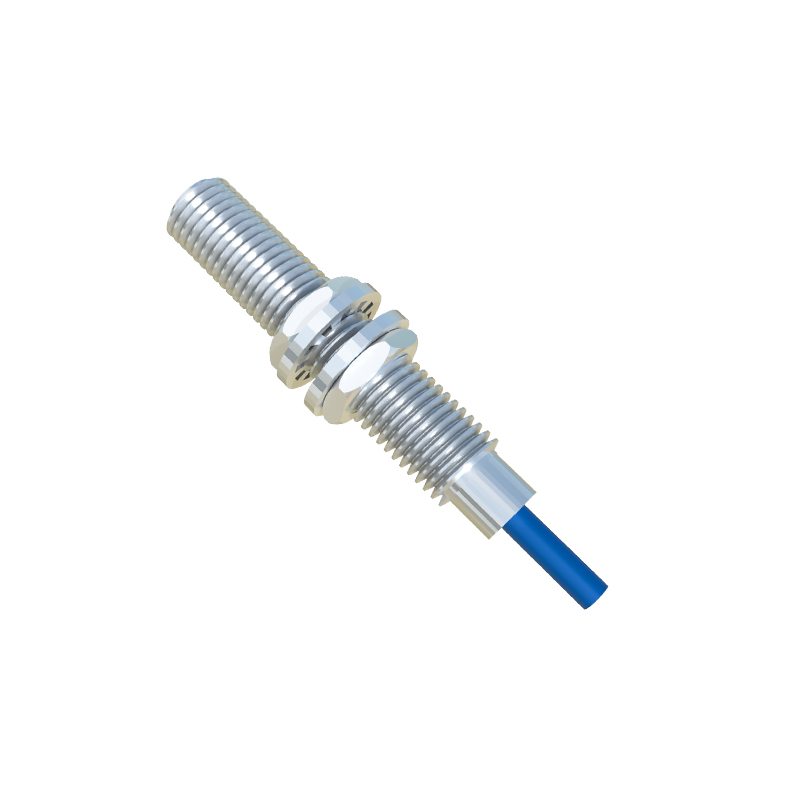
In the realm of industrial automation, DC proximity sensor converters play a pivotal role in ensuring accurate and reliable detection of objects without physical contact. These devices are essential components that interface between DC-powered proximity sensors and control systems, converting sensor signals into standardized outputs compatible with PLCs (Programmable Logic Controllers), relays, or other industrial equipment. Their functionality is critical in applications ranging from assembly lines and packaging machinery to robotic systems and safety monitoring.
DC proximity sensors, typically operating on low-voltage DC power (commonly 12-24V DC), generate signals when an object enters their detection field. However, raw sensor outputs may not directly match the input requirements of downstream controllers. This is where converters come into play. They condition the signal by amplifying, isolating, or converting it to formats such as analog voltage (0-10V), analog current (4-20mA), or digital signals (e.g., NPN/PNP transistor outputs). For instance, a converter might transform a weak DC sensor pulse into a robust 24V DC signal for relay activation, ensuring noise immunity and long-distance transmission without signal degradation.
Key features of modern DC proximity sensor converters include high precision, fast response times (often in milliseconds), and robust construction to withstand harsh industrial environments. Many models offer adjustable sensitivity, allowing fine-tuning for specific materials or object sizes. Isolation capabilities—galvanic or optical—prevent ground loops and electrical interference, enhancing system safety and stability. Additionally, compact designs facilitate easy integration into control panels or DIN rail mounting, saving space in crowded industrial setups.
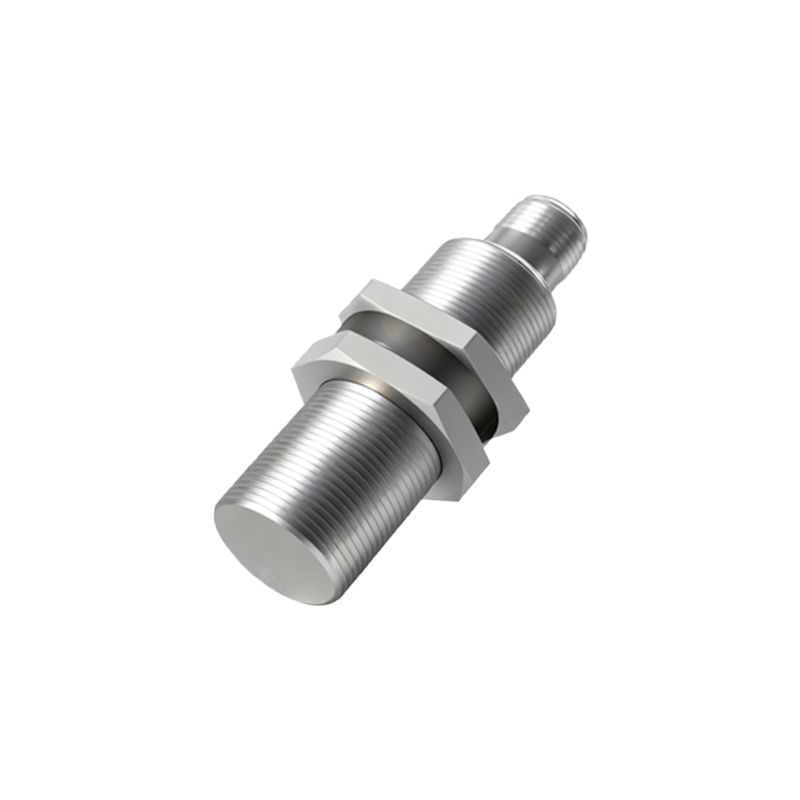
The advantages of using these converters are manifold. They extend the operational range of sensors, enable compatibility with diverse control systems, and reduce downtime by providing consistent performance under voltage fluctuations or electromagnetic interference. In automotive manufacturing, for example, converters ensure precise detection of metal components on conveyor belts, triggering robotic arms for welding or assembly. Similarly, in food processing plants, they help monitor packaging lines by detecting transparent or irregularly shaped items, where traditional sensors might fail.
When selecting a DC proximity sensor converter, engineers must consider factors like input voltage range, output type, response speed, and environmental ratings (e.g., IP67 for dust and water resistance). It’s also crucial to match the converter with the sensor’s technology—inductive sensors for metals, capacitive for non-metals, or ultrasonic for distance measurement. Regular maintenance, such as checking connections and calibrating outputs, ensures longevity and accuracy.
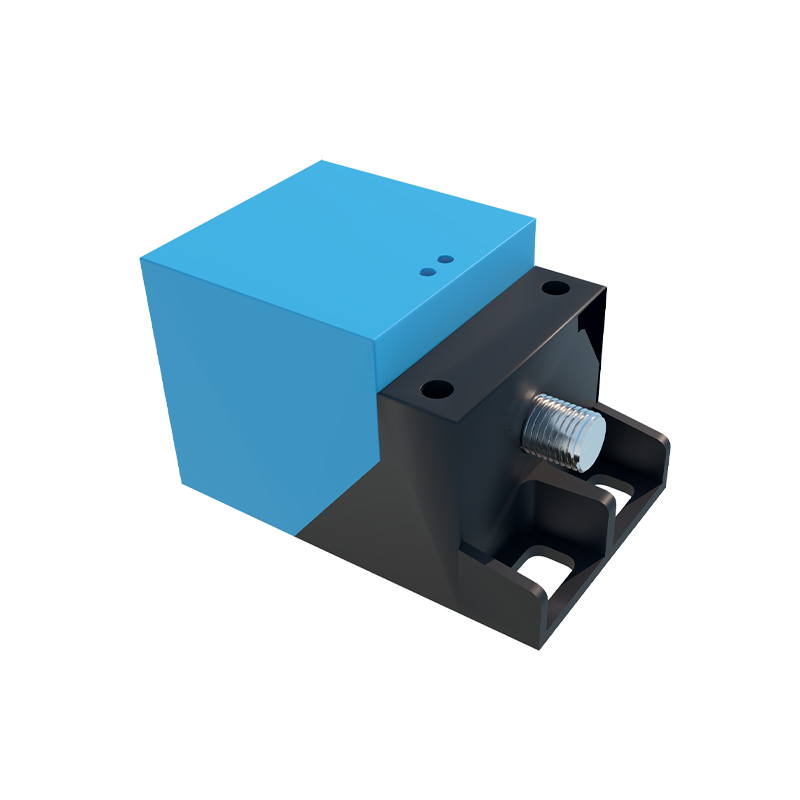
Emerging trends in this field include the integration of IoT (Internet of Things) capabilities, allowing converters to transmit data wirelessly for predictive maintenance and real-time monitoring. Smart converters with diagnostic features can alert operators to sensor malfunctions or calibration needs, minimizing unplanned stoppages. As industries advance toward Industry 4.0, the demand for efficient, interoperable DC proximity sensor converters is set to grow, driving innovations in miniaturization and energy efficiency.
In summary, DC proximity sensor converters are indispensable tools that bridge the gap between detection sensors and control units, enhancing automation precision. By delivering reliable signal conversion, they contribute to smoother operations, improved safety, and higher productivity across various sectors. As technology evolves, these devices will continue to adapt, supporting more complex and interconnected industrial ecosystems.