In the dynamic landscape of industrial automation, the role of reliable sensing technology is paramount. Among the diverse array of sensors, the red cylindrical proximity sensor stands out as a ubiquitous and critical component. Characterized by its distinctive cylindrical housing, often finished in a bright red polymer or anodized aluminum, this sensor type is engineered for non-contact detection of metallic objects, primarily ferrous metals. Its design is not merely aesthetic; the robust cylindrical form factor provides excellent mechanical strength, environmental sealing (typically meeting IP67 or higher ratings), and ease of installation in standard mounting holes.
The operational principle of these inductive proximity sensors is based on electromagnetic induction. The sensor head contains an oscillator circuit that generates a high-frequency electromagnetic field. When a conductive metal target enters this field, eddy currents are induced on the target's surface. This causes a change in the oscillation amplitude within the sensor, which is detected by a threshold circuit. This change triggers a solid-state switching output, signaling the presence of the object. The "red" housing often serves as a visual indicator of its sensing face and is a common industry standard, aiding in quick identification amidst complex machinery.
Key performance specifications define their application suitability. Sensing range, typically from 1mm to 30mm for standard cylindrical models, is a primary consideration. Factors like the target material (steel, aluminum, brass), target size, and installation conditions (flush or non-flush) directly affect the effective sensing distance. Repeat accuracy is exceptionally high, often within microns, making them ideal for precise positioning tasks. Their switching frequency can reach up to several kHz, allowing for detection of rapidly moving parts on conveyor lines or high-speed indexing tables. The output configuration is another critical choice, with options including DC 3-wire (NPN sinking or PNP sourcing), 2-wire AC/DC, and analog (4-20mA or 0-10V) variants, ensuring compatibility with PLCs (Programmable Logic Controllers) and other control systems.
The application spectrum for red cylindrical proximity sensors is vast. They are the workhorses in material handling for detecting pallet presence, monitoring conveyor flow, and ensuring proper positioning in automated storage and retrieval systems (AS/RS). In automotive assembly lines, they count parts, verify robot end-effector positions, and confirm door or panel closures. Machine tool applications include tool breakage detection, spindle positioning, and monitoring workpiece clamping. Their ruggedness makes them suitable for harsh environments found in metal stamping, die-casting, and heavy machinery, where they are exposed to vibration, coolant, and metallic chips.
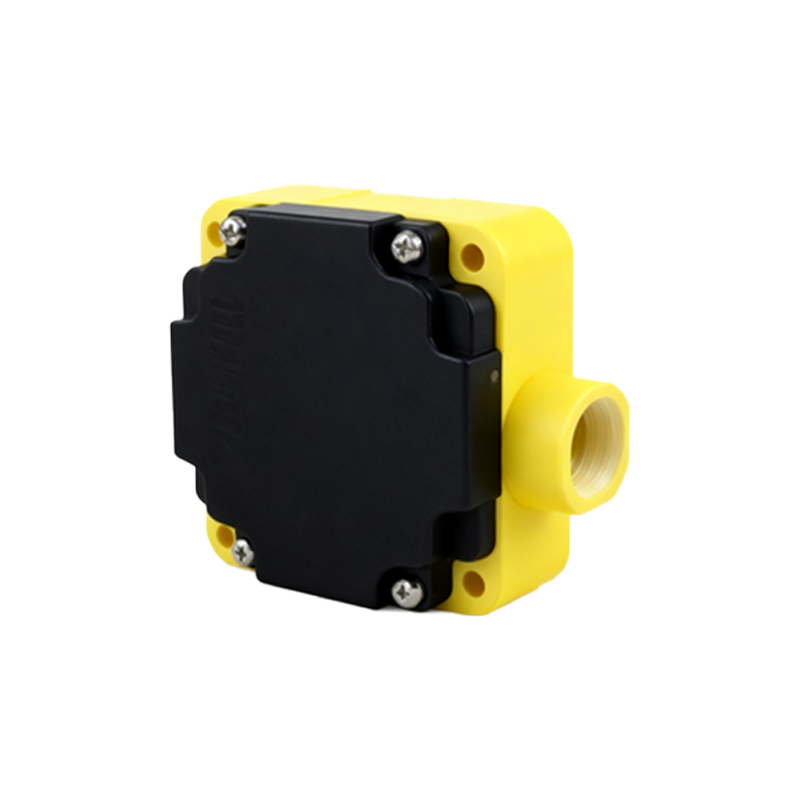
Selecting the right sensor involves a detailed analysis of the operating environment. For washdown areas in food and beverage or pharmaceutical plants, stainless steel housings with high IP69K ratings are mandatory. In areas with strong electromagnetic interference (EMI) from welding equipment or large motors, sensors with enhanced noise immunity are required. Temperature tolerance must match the ambient conditions, with standard models operating from -25°C to 70°C and extended-range versions available for more extreme temperatures. The choice between shielded (flush-mountable) and unshielded (non-flush) types is crucial; shielded sensors can be mounted flush in metal without affecting their sensing field, while unshielded types offer a longer sensing range but require a non-metallic surrounding.
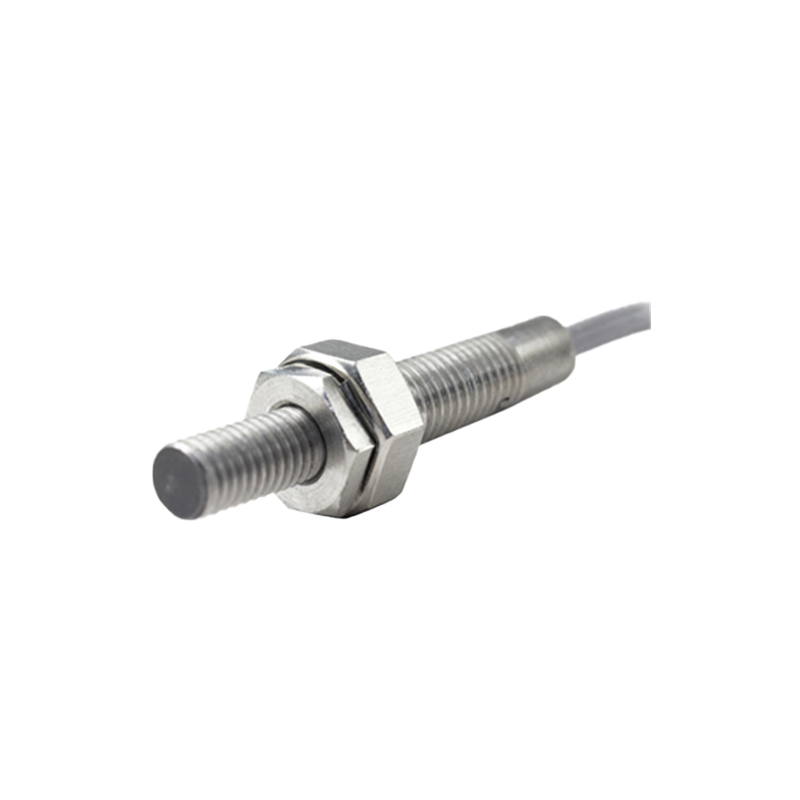
Installation and maintenance best practices are straightforward but essential. Ensuring a clean sensing face free of debris, paint, or buildup is critical for consistent operation. Proper grounding of the sensor and the associated electrical cabinet minimizes electrical noise. Maintaining the recommended gap between the sensor and the target, often 50-80% of the rated sensing distance, prevents physical damage and ensures reliable switching. While these sensors are known for their longevity due to the absence of moving parts, periodic functional checks are recommended as part of a preventive maintenance schedule.
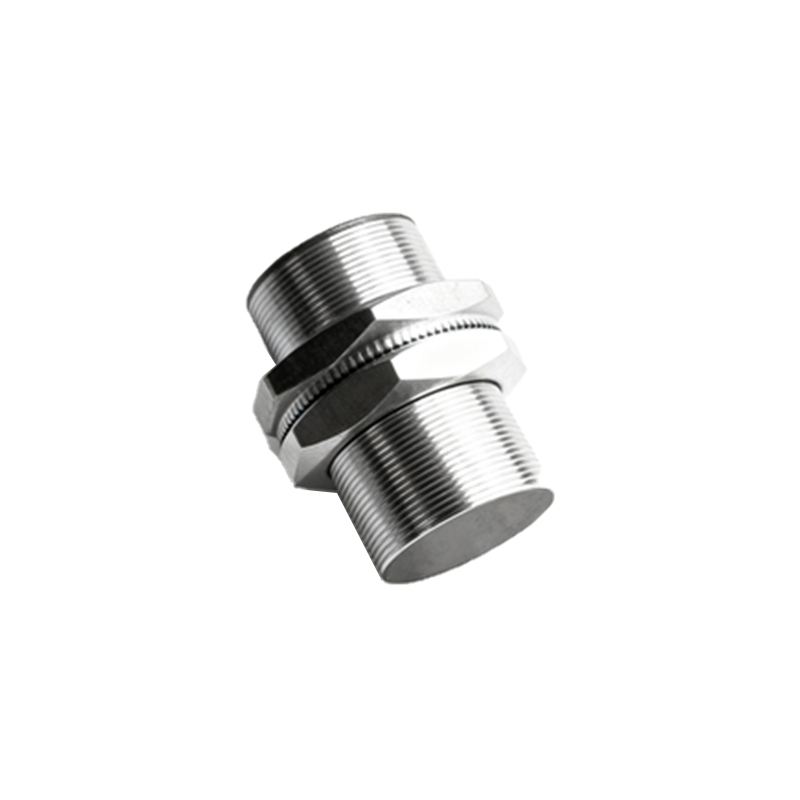
In conclusion, the red cylindrical proximity sensor is a foundational element in modern industrial control systems. Its simplicity, reliability, and versatility in detecting metallic objects without physical contact make it indispensable for enhancing efficiency, safety, and precision in automated processes. Understanding its operating principles, specifications, and application nuances empowers engineers and technicians to deploy these sensors effectively, ensuring robust and fault-free operation across countless industries. As automation evolves, these sensors continue to be refined with features like IO-Link communication for advanced diagnostics and parameterization, securing their place in the factories of the future.