In the demanding landscape of industrial automation and hazardous environments, the reliability and safety of equipment are non-negotiable. Among the critical components ensuring operational integrity, explosion-proof proximity sensors stand out as essential devices for detecting the presence or absence of objects without physical contact. But how effective are they really? This article delves into the performance, advantages, and considerations surrounding these specialized sensors, providing insights for engineers and decision-makers in sectors like oil and gas, chemical processing, mining, and pharmaceuticals.
Explosion-proof proximity sensors are designed to operate safely in areas where flammable gases, vapors, or dusts are present. Unlike standard sensors, they are housed in robust enclosures that prevent internal sparks or high temperatures from igniting the surrounding atmosphere. This is achieved through certifications such as ATEX (Europe), IECEx (international), and UL (North America), which mandate rigorous testing for compliance with safety standards. The core technology behind these sensors—whether inductive, capacitive, or ultrasonic—remains similar to conventional models, but with enhanced durability and protective features.
One of the primary indicators of effectiveness is accuracy. In industrial settings, even minor detection errors can lead to production delays, equipment damage, or safety incidents. Explosion-proof proximity sensors typically offer high precision, with detection ranges tailored to specific applications. For instance, inductive sensors excel in detecting metallic objects in harsh conditions, while capacitive variants handle non-metallic materials like liquids or plastics. Their response time is often swift, ensuring real-time feedback for automated systems. This reliability translates to reduced downtime and maintenance costs, as these sensors are built to withstand extreme temperatures, vibrations, and corrosive substances.
Durability is another key factor. Industrial environments subject equipment to constant stress, from moisture and dust to mechanical shocks. Explosion-proof sensors are constructed with materials like stainless steel or nickel-plated brass, featuring ingress protection (IP) ratings such as IP67 or IP68 to resist water and dust ingress. This rugged design not only enhances longevity but also minimizes false triggers caused by environmental interference. In practice, this means fewer replacements and consistent performance over years of operation, contributing to a lower total cost of ownership.
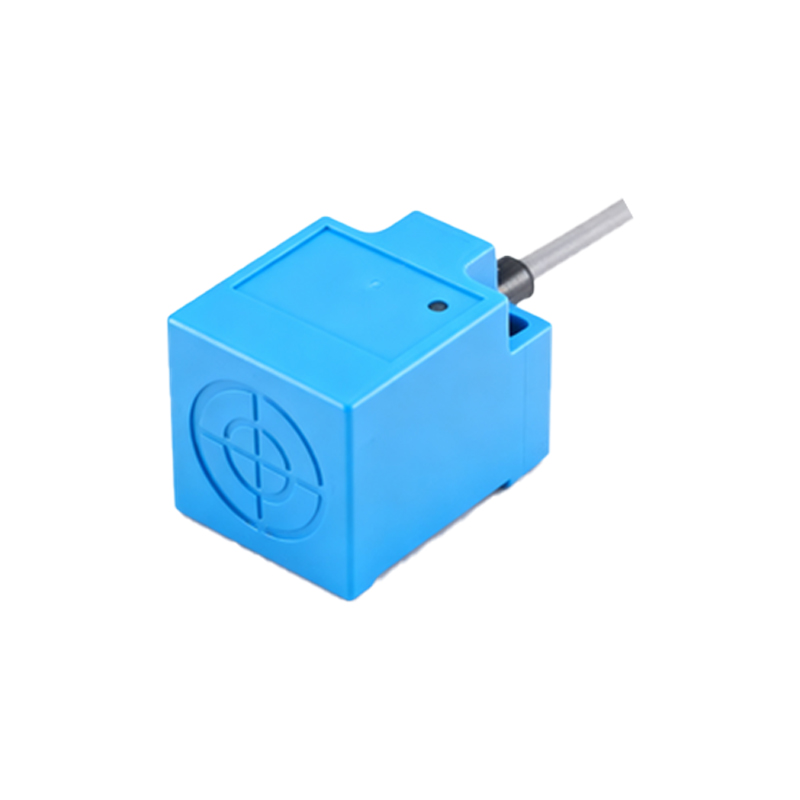
Safety, of course, is paramount. The fundamental purpose of explosion-proof certification is to prevent catastrophic events. By containing potential ignition sources within their housings, these sensors mitigate risks in zones classified as hazardous. This proactive approach aligns with global regulations and industry best practices, helping companies avoid fines, legal liabilities, and reputational damage. Moreover, many modern sensors integrate self-monitoring features that alert operators to malfunctions before failures occur, adding an extra layer of protection.
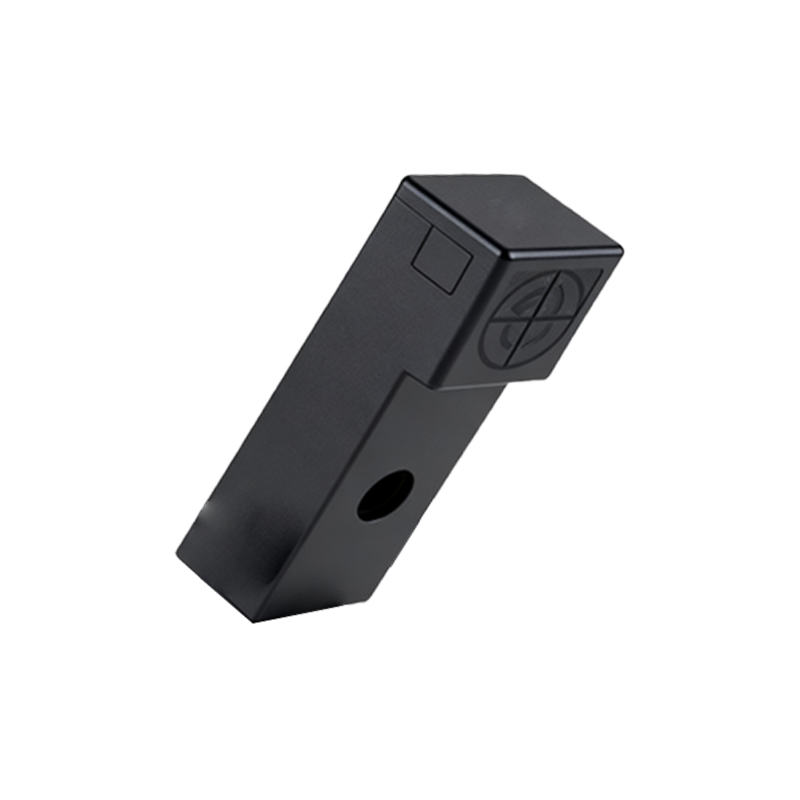
However, effectiveness isn’t solely about performance—it also involves practical considerations. Installation and maintenance require trained personnel familiar with hazardous area protocols. Wiring and calibration must adhere to strict guidelines to maintain certification integrity. Additionally, while explosion-proof sensors are versatile, selecting the right type for a specific application is crucial. Factors like sensing distance, output type (e.g., PNP or NPN), and environmental conditions must be evaluated to optimize functionality.
Cost can be a concern, as explosion-proof variants are generally more expensive than standard sensors due to their specialized design and certification processes. Yet, this investment is justified by the prevention of costly accidents and operational disruptions. In high-risk industries, the price of failure far outweighs the initial expenditure. Many users report that the long-term benefits, including enhanced safety and reliability, make these sensors a worthwhile addition to their systems.
Technological advancements continue to improve their effectiveness. Innovations like IoT connectivity allow for remote monitoring and predictive maintenance, while miniaturization enables installation in confined spaces. As industries evolve toward smarter, safer operations, explosion-proof proximity sensors are likely to become even more integral, blending traditional robustness with digital intelligence.
In conclusion, explosion-proof proximity sensors prove highly effective when deployed correctly in hazardous environments. Their accuracy, durability, and safety features address the unique challenges of industries where explosions are a constant threat. While they demand careful selection and adherence to standards, their role in safeguarding assets and human lives is undeniable. For engineers seeking reliable detection solutions, these sensors offer a proven balance of performance and protection, making them a smart choice for modern industrial applications.