In the dynamic landscape of industrial automation, standard proximity sensors are fundamental components, enabling non-contact detection of metallic and, in some cases, non-metallic objects. Their pricing is a critical factor for engineers, procurement specialists, and system integrators when selecting components for machinery, conveyor systems, and safety applications. The market price for a standard inductive proximity sensor is not a single figure but a spectrum influenced by a complex interplay of technical specifications, brand value, supply chain dynamics, and purchasing volume.
At its core, the cost of manufacturing a proximity sensor is dictated by its sensing technology. Inductive sensors, designed for detecting metals, are typically the most cost-effective due to mature, high-volume production. Within this category, pricing varies with sensing range, switching frequency, and housing material. A standard 18mm cylindrical sensor with a 5mm range and PBT housing represents the entry-level price point. Capacitive sensors, capable of detecting a wider range of materials including liquids and plastics, command a higher price due to more complex circuitry and calibration requirements. Similarly, ultrasonic and photoelectric sensors, with their longer ranges and advanced functionalities, sit at a higher price tier.
Brand reputation and origin are significant price determinants. Established global manufacturers like Siemens, Omron, Pepperl+Fuchs, and Schneider Electric often have premium pricing. This reflects not just the component cost but also the value of extensive R&D, rigorous quality control, global certification (e.g., ATEX, IEC), reliable warranty, and comprehensive technical support. In contrast, numerous competitive brands, often from Asia, offer functionally equivalent sensors at a lower factory price. These alternatives can provide substantial savings, though engineers must carefully evaluate consistency, longevity in harsh environments, and the availability of local technical support.
Technical specifications directly correlate with the factory price. Key factors include:
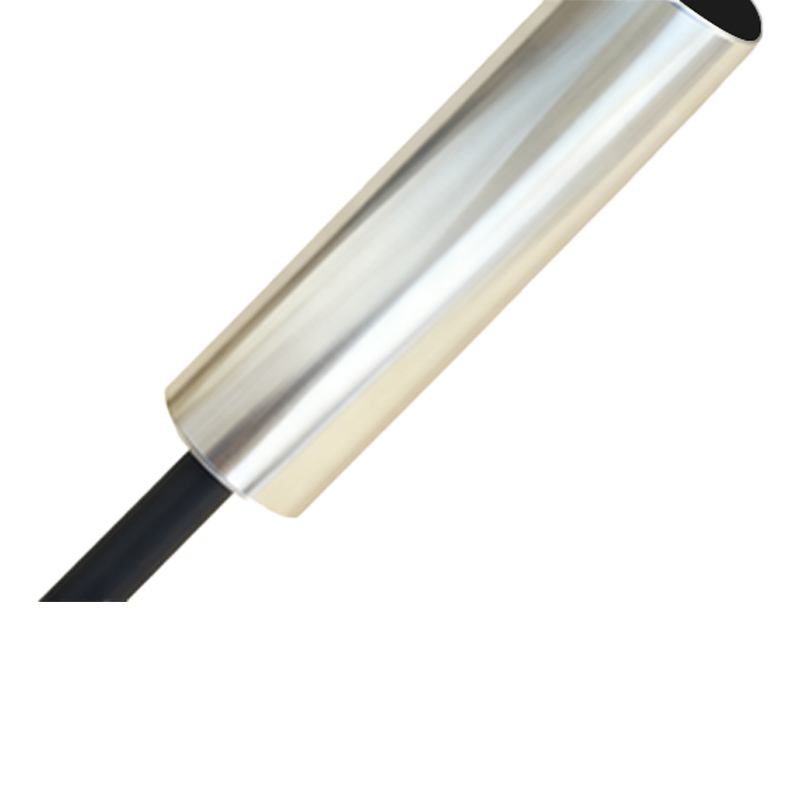
Sensing Distance: A sensor with an 8mm range will cost more than one with a 4mm range.
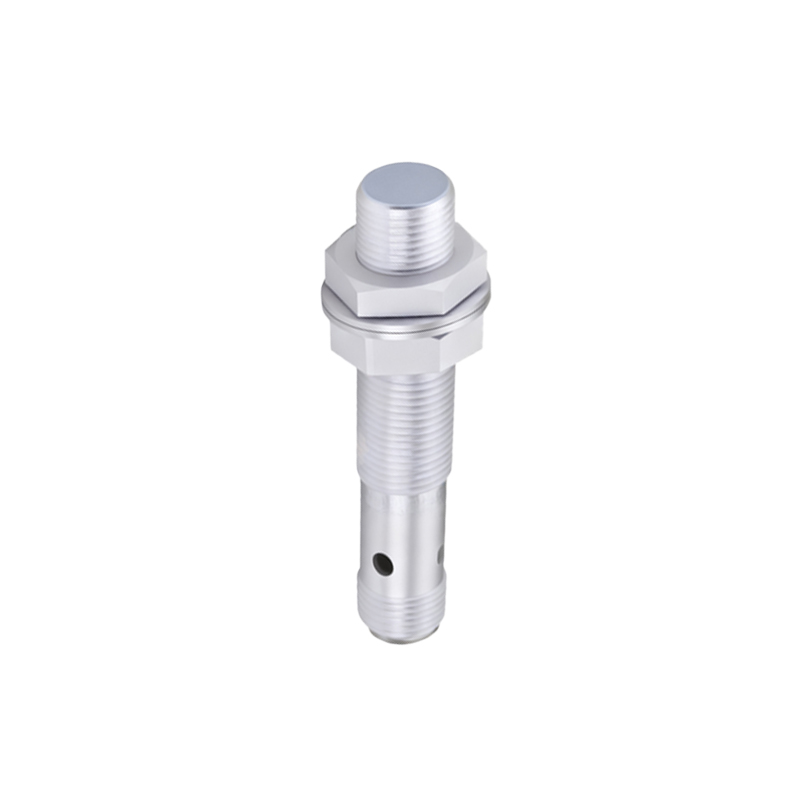
Output Type: PNP (sourcing) and NPN (sinking) are standard, but models with analog outputs (4-20mA, 0-10V) or IO-Link digital communication interfaces carry a significant price premium due to added intelligence and diagnostic capabilities.
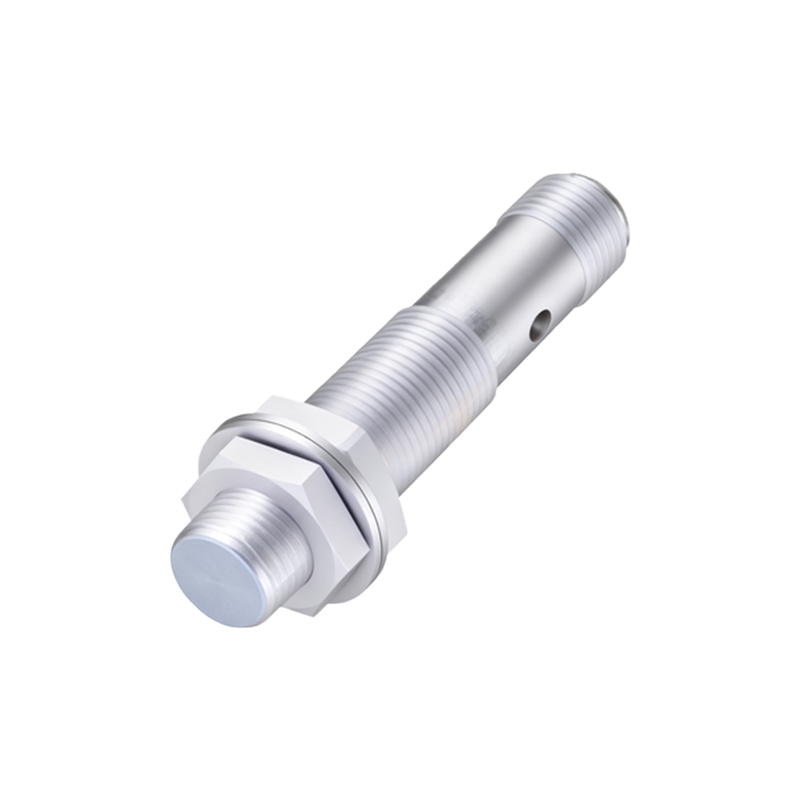
Housing and Build Quality: Stainless steel housings (e.g., V4A/AISI 316L) for washdown or corrosive environments are more expensive than nickel-plated brass or PBT plastic. The ingress protection (IP) rating (e.g., IP67, IP69K) also impacts cost.
Form Factor: Standard cylindrical (M8, M12, M18, M30) and rectangular block styles are most economical. Specialized form factors or miniaturized sensors cost more.
Supply chain and market forces exert constant pressure on pricing. Fluctuations in the cost of raw materials (copper, plastics, semiconductors), global logistics expenses, and regional tariffs can cause factory prices to adjust. Furthermore, purchasing volume is paramount. An OEM ordering 10,000 units annually will receive a drastically different per-unit factory quote compared to a maintenance team buying ten pieces for a retrofit. Distributors and wholesalers operate on margin models, so direct purchasing from a manufacturer's volume program typically yields the lowest effective price.
For an engineer specifying a sensor, the decision extends beyond the initial purchase price. The concept of Total Cost of Ownership (TCO) is crucial. A slightly higher-priced sensor from a reputable brand with a proven mean time between failures (MTBF) can offer far lower long-term costs by minimizing unplanned downtime, maintenance labor, and production losses. Compatibility with existing infrastructure and programming environments also adds intangible value.
In conclusion, the factory price of a standard proximity sensor is a function of its technological capability, brand equity, precise technical attributes, and commercial purchasing terms. While online catalogs may list a baseline price, true costing requires a detailed request for quotation (RFQ) that specifies all application requirements. A savvy engineer balances upfront cost with long-term reliability and system integration efficiency, ensuring the selected sensor delivers optimal value throughout its operational lifecycle in the demanding industrial environment.