Proximity sensors are fundamental components in modern industrial automation, robotics, and countless electronic devices. As an electrical engineer, understanding their principles, types, and applications is crucial for effective system design and troubleshooting. This guide delves into the core concepts of proximity sensing technology.
At its essence, a proximity sensor is a non-contact device that detects the presence or absence of an object within a specified range without any physical contact. It achieves this by emitting an electromagnetic field or a beam of electromagnetic radiation and looking for changes in the field or return signal. The key advantage is the elimination of mechanical wear and tear, allowing for high reliability and long operational life.
The working principle varies significantly based on the underlying technology. The most common types include Inductive, Capacitive, Ultrasonic, and Photoelectric sensors.
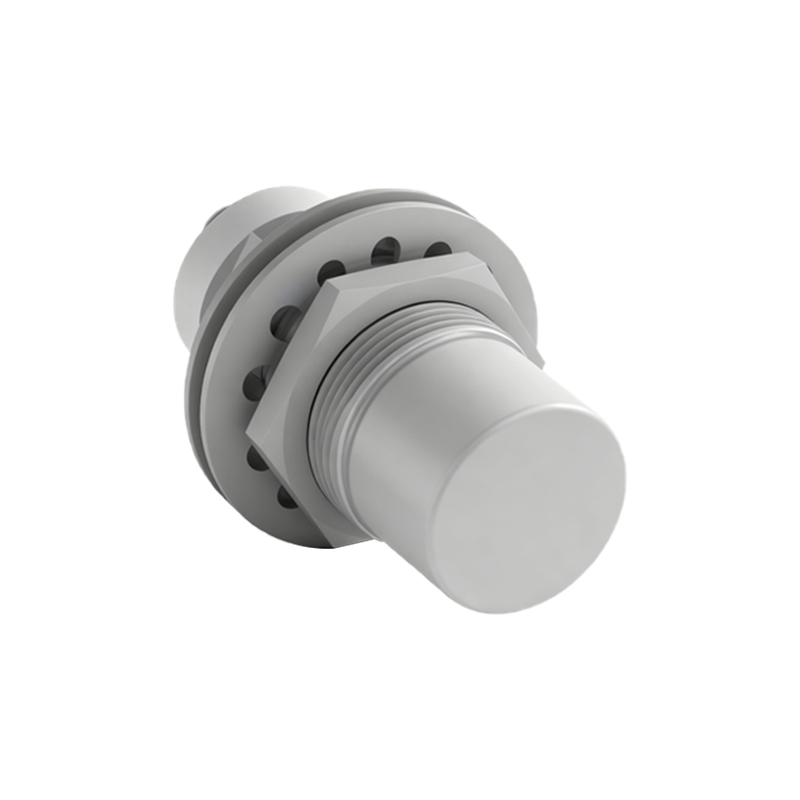
Inductive Proximity Sensors are the workhorses of industrial automation, particularly in metal-rich environments. They generate an oscillating electromagnetic field from a coil wound around a ferrite core. When a metallic object enters this field, eddy currents are induced on the object's surface. These currents absorb energy from the oscillator, causing its amplitude to decrease. This change is detected by a threshold circuit, which triggers the sensor's output switch. They are ideal for detecting ferrous and non-ferrous metals but are ineffective for non-metallic materials.
Capacitive Proximity Sensors can detect both metallic and non-metallic objects, including liquids, powders, and plastics. They function by generating an electrostatic field. The sensor itself forms one plate of a capacitor, and the target object forms the other (or alters the dielectric constant of the space). As an object approaches, the capacitance between the sensor and the ground increases. An internal oscillator starts when this capacitance reaches a preset threshold, triggering the output. This makes them perfect for applications like level detection in tanks or detecting glass or wood.
Ultrasonic Proximity Sensors operate on the principle of sound wave reflection. They emit high-frequency sound waves (typically 40-200 kHz) and measure the time taken for the echo to return. The time-of-flight is directly proportional to the distance to the object. These sensors are excellent for detecting objects of any material, shape, or color, and are less affected by environmental factors like dust, smoke, or light. They are commonly used for distance measurement, object presence in harsh conditions, and level sensing.
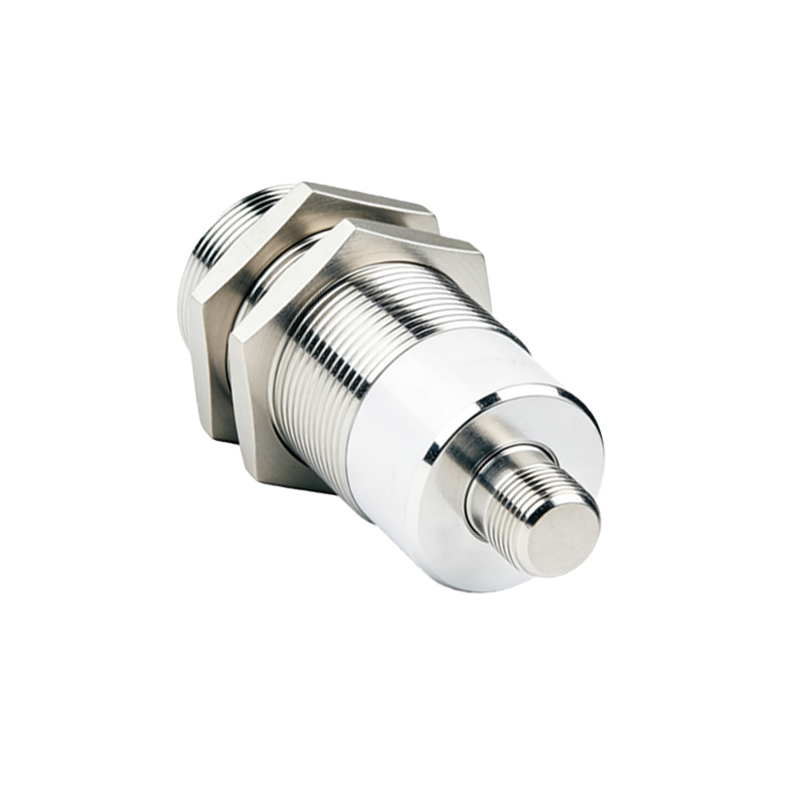
Photoelectric Sensors use light beams to detect objects. An emitter sends out a beam of light (visible, infrared, or laser), and a receiver detects it. The presence of an object is sensed either by the interruption of the beam (through-beam), reflection from the object (retro-reflective), or reflection from the object back to a receiver located next to the emitter (diffuse reflective). They offer very long sensing ranges and can detect tiny objects but can be affected by environmental conditions like dirt or ambient light.
Key specifications engineers must consider include Sensing Distance (the nominal range at which an object is detected), Repeatability (the consistency of the sensing point), Response Frequency (how quickly the sensor can detect objects in succession), and Output Type (typically NPN/PNP transistor, NO/NC). Environmental factors like temperature, humidity, and the presence of chemicals also dictate housing material choices, often stainless steel or PBT plastic.
Applications are vast. In automotive assembly, inductive sensors count gears or detect piston position. In packaging, photoelectric sensors ensure label placement. Capacitive sensors control liquid levels in food processing, while ultrasonic sensors guide automated guided vehicles (AGVs). Understanding the material of the target, required sensing distance, environmental challenges, and needed response speed is paramount in selecting the right sensor.
In conclusion, proximity sensors are indispensable for enabling precise, reliable, and contactless detection in automated systems. Mastery of their distinct technologies—inductive for metals, capacitive for diverse materials, ultrasonic for challenging environments, and photoelectric for long-range—empowers engineers to design more efficient, robust, and intelligent machinery. Always refer to manufacturer datasheets for precise performance characteristics and integration guidelines.