In the realm of industrial automation and control systems, proximity sensors are indispensable components. They detect the presence or absence of objects without physical contact, ensuring reliability, efficiency, and safety in various processes. Selecting the appropriate proximity sensor, however, can be a complex task given the myriad of options available. This guide aims to provide a comprehensive overview of key considerations to help engineers and technicians make informed decisions.
First, understand the fundamental types of proximity sensors. Inductive sensors are ideal for detecting metallic objects, utilizing electromagnetic fields to sense ferrous and non-ferrous metals. They are robust, resistant to environmental factors like dust and moisture, and commonly used in manufacturing lines for part detection or positioning. Capacitive sensors, on the other hand, can detect both metallic and non-metallic materials, including liquids, plastics, and glass. They operate by measuring changes in capacitance and are suitable for applications like level sensing or material handling. Ultrasonic sensors use sound waves to detect objects, making them versatile for distance measurement and presence detection in challenging environments, such as those with varying colors or transparency. Photoelectric sensors employ light beams to sense objects and are excellent for long-range detection and small object sensing, though they can be affected by ambient light or dirty conditions.
Next, evaluate the specific requirements of your application. Consider the sensing range, which is the maximum distance at which the sensor can reliably detect an object. Ensure the chosen sensor's range matches your operational needs without being excessive, as this can lead to false triggers. The size and shape of the target object also matter; for small or irregularly shaped items, a sensor with a focused sensing field may be necessary. Environmental factors play a critical role—assess conditions like temperature extremes, humidity, vibration, and exposure to chemicals or oils. For harsh environments, look for sensors with high IP (Ingress Protection) ratings, such as IP67 or IP68, indicating resistance to dust and water immersion. Additionally, consider the output type required: digital outputs (like PNP or NPN) are common for simple on/off signals, while analog outputs provide continuous data for precise measurements.
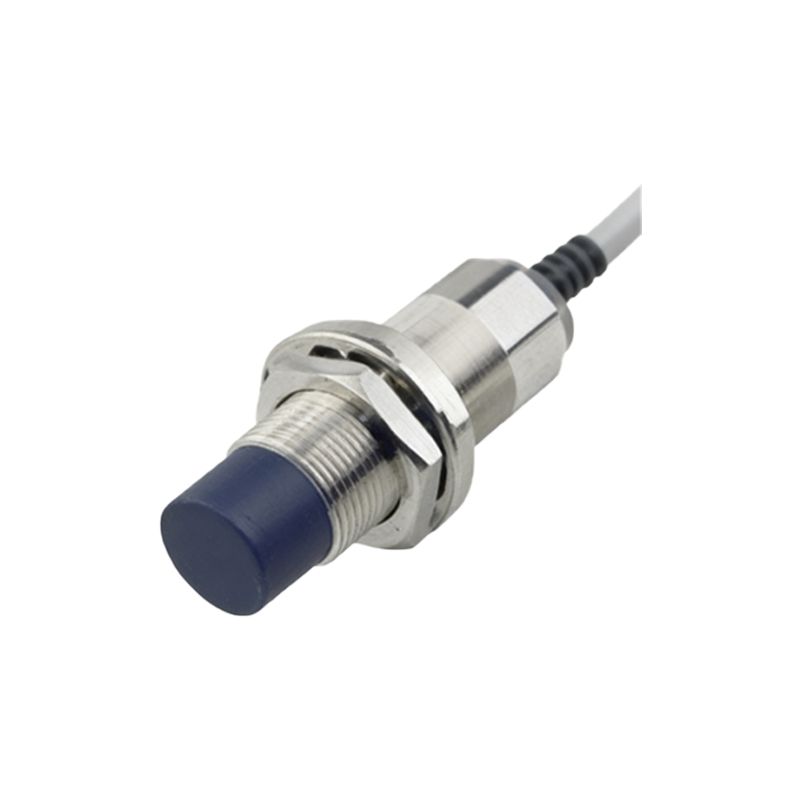
Electrical characteristics must align with your system's infrastructure. Check the operating voltage (e.g., 10-30 VDC for many industrial sensors) and current consumption to ensure compatibility with your power supply and control units. Response time is another vital parameter, especially in high-speed applications where rapid detection is crucial to maintain throughput and accuracy. Don't overlook mounting and installation constraints; some sensors offer flexible mounting options or built-in features like adjustable sensitivity to simplify integration.
Finally, factor in long-term reliability and cost-effectiveness. While initial price is important, consider the total cost of ownership, including maintenance, durability, and potential downtime. Opt for reputable brands that provide technical support, warranties, and compliance with industry standards like IEC or UL. Testing sensors in real-world conditions before full-scale deployment can prevent costly errors and ensure optimal performance.
In summary, choosing the right proximity sensor involves a balanced analysis of sensor type, application needs, environmental conditions, electrical specs, and economic factors. By methodically assessing these aspects, you can enhance system efficiency, reduce failures, and achieve seamless automation in your industrial setup.