In the world of industrial automation, rectangular proximity sensors are indispensable components, prized for their robust housing, reliable detection capabilities, and versatility in harsh environments. Selecting the right brand is not merely a matter of preference but a critical decision impacting system reliability, maintenance costs, and overall operational efficiency. As an experienced electrical engineer, I have deployed and evaluated sensors from numerous manufacturers across diverse applications. This analysis aims to provide a professional perspective on leading brands, focusing on technical merits rather than marketing claims.
The evaluation of a "good" brand hinges on several core engineering parameters: sensing distance consistency, repeatability accuracy, housing material and ingress protection (IP rating), temperature and chemical resistance, output configuration flexibility (e.g., NPN/PNP, NO/NC), and long-term stability. Furthermore, the brand's global support network, technical documentation clarity, and ease of integration into existing control systems (like PLCs from Siemens, Allen-Bradley, or Mitsubishi) are paramount for large-scale or international projects.
Among the top contenders, several brands consistently demonstrate excellence. Sick AG stands out for its precision and innovation. Their rectangular sensors, such as those in the IM series, often feature advanced technologies like IO-Link for digital parameterization and diagnostics. Sick sensors are renowned for exceptional background suppression and precise detection ranges, making them ideal for high-speed sorting, packaging, and robotic guidance applications. The build quality is typically superb, with high IP69K ratings available for washdown environments.
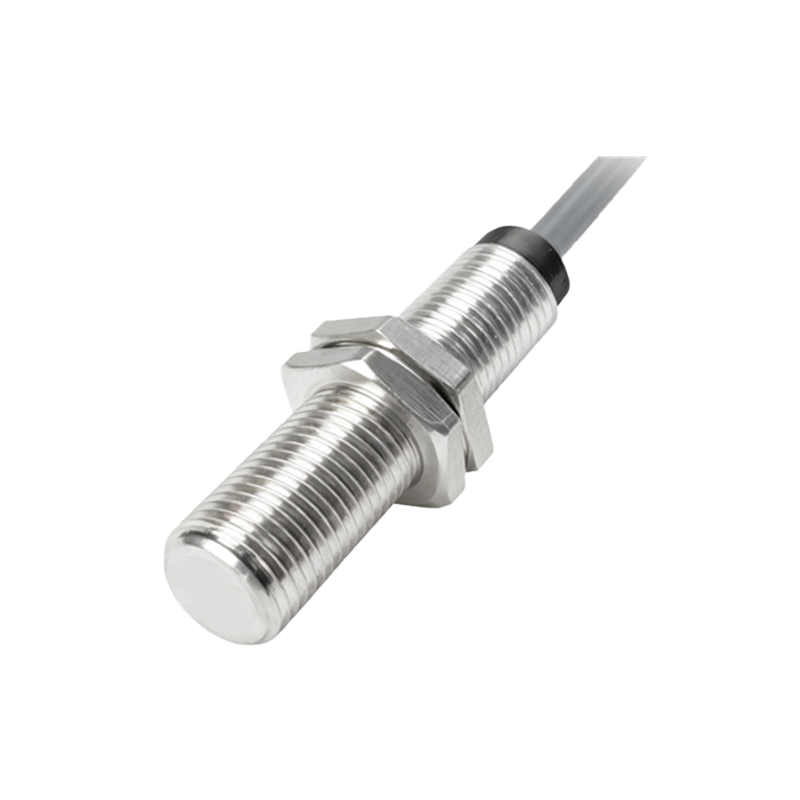
Pepperl+Fuchs is another powerhouse, particularly strong in intrinsic safety and hazardous area certifications (ATEX, IECEx). Their rectangular sensor offerings are vast, covering inductive, capacitive, and ultrasonic principles. Engineers value their consistent performance in challenging conditions involving dust, moisture, or aggressive chemicals. The R series, for instance, provides remarkable flexibility with modular designs and a wide range of accessories. Their technical support and application engineering resources are among the best in the industry.
Omron Corporation delivers a compelling blend of reliability, extensive product range, and cost-effectiveness. Brands like the E2E rectangular proximity sensors have been industry workhorses for decades. Omron excels in providing robust, no-frills sensors that perform consistently in standard industrial applications. Their global availability and compatibility with various controller brands make them a safe, practical choice for many OEMs and plant engineers. While perhaps not always the leader in cutting-edge features for niche applications, their overall value proposition is very strong.
Balluff GmbH deserves special mention for its innovation in connectivity and smart sensor technology. Their rectangular sensors frequently integrate IO-Link as a standard feature, enabling predictive maintenance, remote configuration, and seamless data integration into Industry 4.0 architectures. The BOS series sensors are known for their compact yet rugged design and high switching frequencies. For modern, data-driven factories aiming for digital transformation, Balluff presents a forward-thinking solution.
IFM Electronic rounds out this group with a strong focus on user-friendly design and diagnostic capabilities. Their rectangular sensors often feature built-in LED indicators that provide clear status information (like signal strength or alignment), significantly simplifying installation and troubleshooting. The product range is comprehensive, and their OY series, for example, offers excellent performance in welding immune applications. IFM's ecosystem of controllers and evaluation units also promotes easy system integration.
It is crucial to note that the "best" brand is inherently application-specific. For a standard machining center, Omron or a standard Pepperl+Fuchs model might be perfectly optimal. For a food & beverage plant requiring frequent high-pressure washing, a Sick sensor with IP69K rating would be superior. In an explosive atmosphere, Pepperl+Fuchs's certified models are non-negotiable. For a factory implementing IIoT strategies, Balluff or Sick with native IO-Link would provide more long-term value.
Beyond the product itself, consider the supplier's local presence. A top-tier sensor is of little use if you cannot get technical support or a replacement within a reasonable timeframe. Establish a relationship with a knowledgeable distributor who understands both the product lines and your industry's specific challenges.
In conclusion, while Sick, Pepperl+Fuchs, Omron, Balluff, and IFM are all premier brands for rectangular proximity sensors, the optimal choice depends on a detailed analysis of your technical requirements, environmental conditions, and strategic operational goals. There is no single "best" brand universally, but there is undoubtedly a best-fit sensor for every application. Prioritize technical specifications over brand name alone, and never underestimate the importance of quality technical support and documentation in ensuring a successful, trouble-free installation.