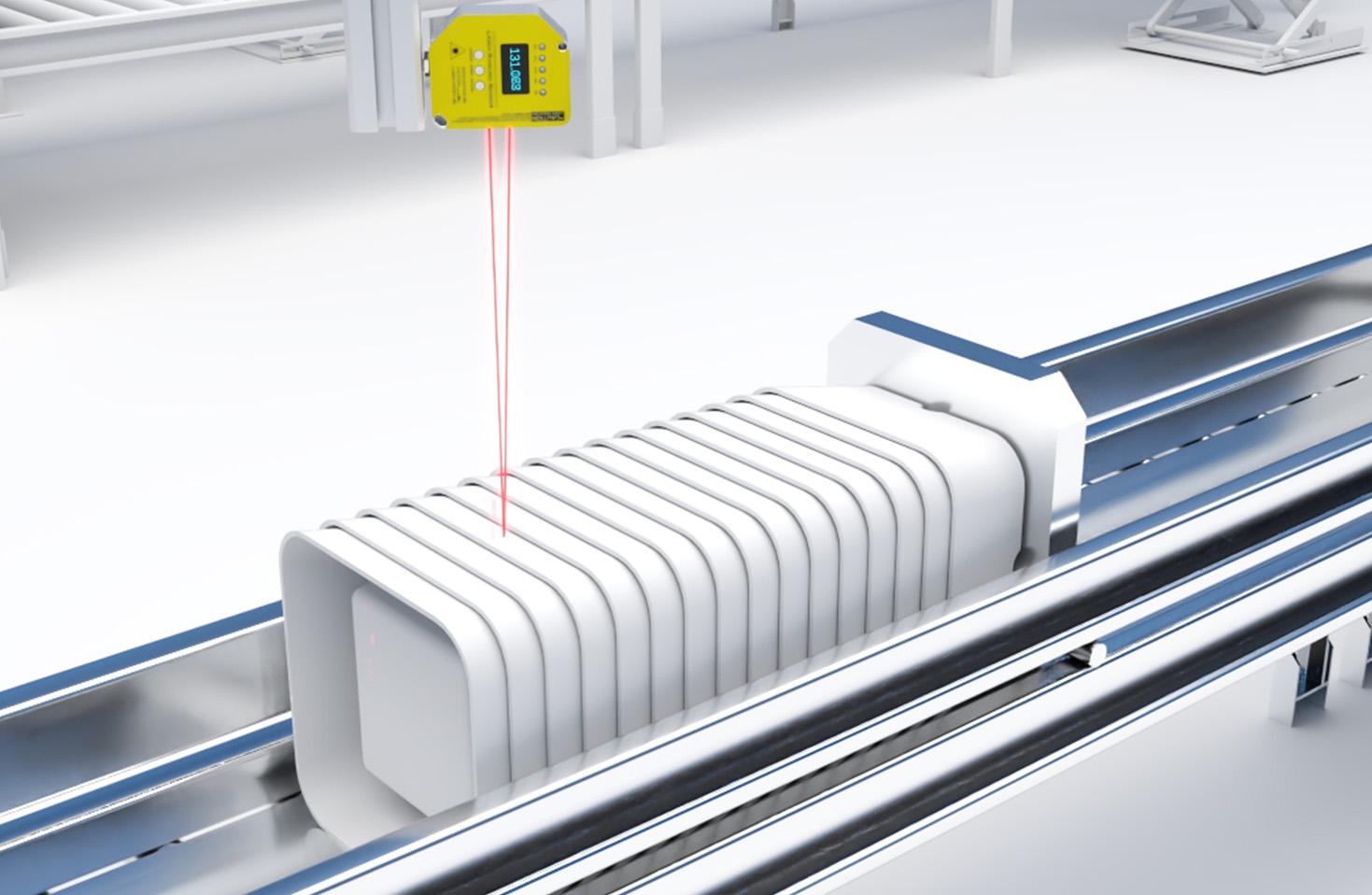
In recent years, the cost of laser sensors has seen a significant decline, making them accessible to a broader range of industrial applications. This trend is driven by several key factors, including advancements in manufacturing technology, increased competition among suppliers, and economies of scale. As a result, industries that once considered laser sensors a luxury are now integrating them into their operations for enhanced precision, efficiency, and safety.
One of the primary reasons for the reduced cost is the improvement in semiconductor technology. Laser diodes, which are the core components of many laser sensors, have become cheaper to produce due to innovations in materials science and fabrication processes. Mass production techniques, such as automated assembly lines, have further lowered unit costs. Additionally, the rise of global supply chains has increased competition, pushing manufacturers to offer more competitive pricing without compromising quality.
Another factor contributing to affordability is the standardization of sensor designs. Many laser sensors now use modular components, allowing for easier integration and reduced customization expenses. This standardization not only cuts production costs but also simplifies maintenance and replacement, leading to lower long-term ownership costs. Industries like automotive manufacturing, logistics, and robotics are benefiting from these cost-effective solutions, using laser sensors for tasks such as object detection, distance measurement, and quality control.

Furthermore, the growing demand for automation and smart technologies has spurred investment in sensor research and development. As more companies adopt Industry 4.0 practices, the market for laser sensors has expanded, driving down prices through increased volume sales. This demand has also encouraged innovation, resulting in sensors that are more energy-efficient, durable, and versatile. For example, time-of-flight (ToF) laser sensors, once expensive, are now available at lower price points, enabling their use in consumer electronics and small-scale industrial projects.
Despite the lower costs, it is essential to consider factors beyond price when selecting laser sensors. Performance metrics such as accuracy, range, and environmental resistance should align with specific application needs. However, the overall trend toward affordability means that businesses can now access high-quality laser sensors without exceeding their budgets. This shift is democratizing technology, allowing even small and medium-sized enterprises to leverage advanced sensing capabilities for competitive advantage.

In conclusion, the decreasing cost of laser sensors is a positive development for the electrical and industrial sectors. By understanding the drivers behind this trend—technological advancements, market competition, and standardization—engineers and decision-makers can make informed choices to enhance their operations. As prices continue to fall, we can expect laser sensors to become even more ubiquitous, driving innovation and efficiency across diverse fields.