Metal proximity sensors are indispensable components in modern industrial automation, offering reliable non-contact detection of metallic objects. These sensors operate based on electromagnetic principles, generating an oscillating field that interacts with metallic targets to trigger detection. One of their primary features is high durability, as they are typically housed in robust materials like stainless steel or nickel-plated brass, making them resistant to mechanical impacts, vibrations, and harsh environmental conditions such as dust, moisture, and extreme temperatures. This rugged construction ensures long-term operation in demanding settings like manufacturing lines, automotive assembly, and material handling systems.
Another significant characteristic is their precision and repeatability. Metal proximity sensors provide consistent detection with minimal error margins, often achieving sensing distances ranging from a few millimeters to several tens of millimeters, depending on the sensor type and target material. For instance, ferrous metals like iron and steel are detected at longer ranges compared to non-ferrous metals such as aluminum or copper, due to differences in electromagnetic properties. This allows for tailored applications in sorting, positioning, and quality control processes. Additionally, these sensors feature fast response times, typically in the microsecond range, enabling real-time monitoring and high-speed automation without lag, which is critical for efficiency in production cycles.
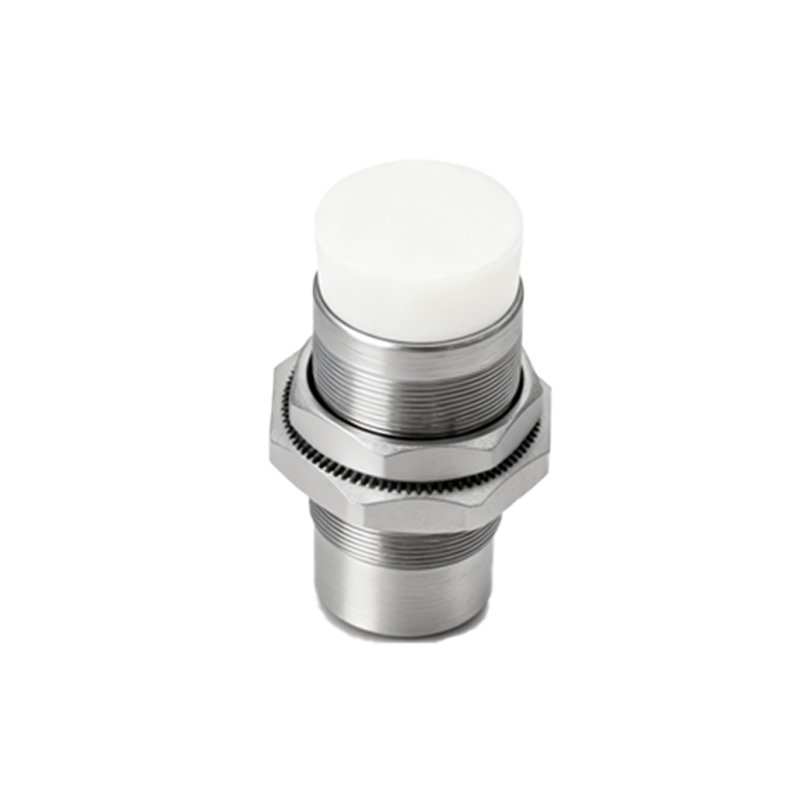
Wiring and installation flexibility further enhance their utility. Many metal proximity sensors come with standardized connections, such as M8 or M12 connectors, and support various output configurations including PNP, NPN, analog, or IO-Link for seamless integration into control systems. Their compact designs facilitate easy mounting in confined spaces, while LED indicators simplify diagnostics and maintenance. Energy efficiency is also a notable aspect, as modern sensors consume low power, reducing operational costs and supporting sustainable practices. Moreover, they are inherently immune to ambient light interference, unlike optical sensors, and some advanced models incorporate self-diagnostic functions to alert users to issues like wire breaks or contamination.
In summary, metal proximity sensors excel in reliability, accuracy, speed, and adaptability, making them vital for enhancing safety and productivity in industrial environments. By leveraging these features, engineers can optimize automated systems for improved performance and reduced downtime.