In the intricate world of industrial automation and machinery control, precision, reliability, and safety are non-negotiable. Among the myriad of components that ensure these standards are met, speed sensing proximity switches stand out as critical, yet often understated, workhorses. These devices are fundamental to monitoring rotational or linear speed, providing essential data for process control, safety interlocks, and preventive maintenance. Unlike traditional mechanical speed sensors, proximity switches offer a non-contact method of detection, leading to enhanced durability and accuracy.
A speed sensing proximity switch, at its core, is a sensor that detects the presence or absence of a target object—typically a gear tooth, a key on a shaft, a cam, or a specially designed metallic flag—without any physical contact. It operates on the principle of electromagnetic induction (for inductive types, the most common for metallic targets) or capacitive and ultrasonic principles for other materials. As the target passes by the sensor's face, it disrupts the sensor's electromagnetic field. This disruption is converted into an electrical signal—a clean, digital pulse for each target passage. By counting these pulses over a defined time period, the system can accurately calculate rotational speed (RPM) or linear velocity.
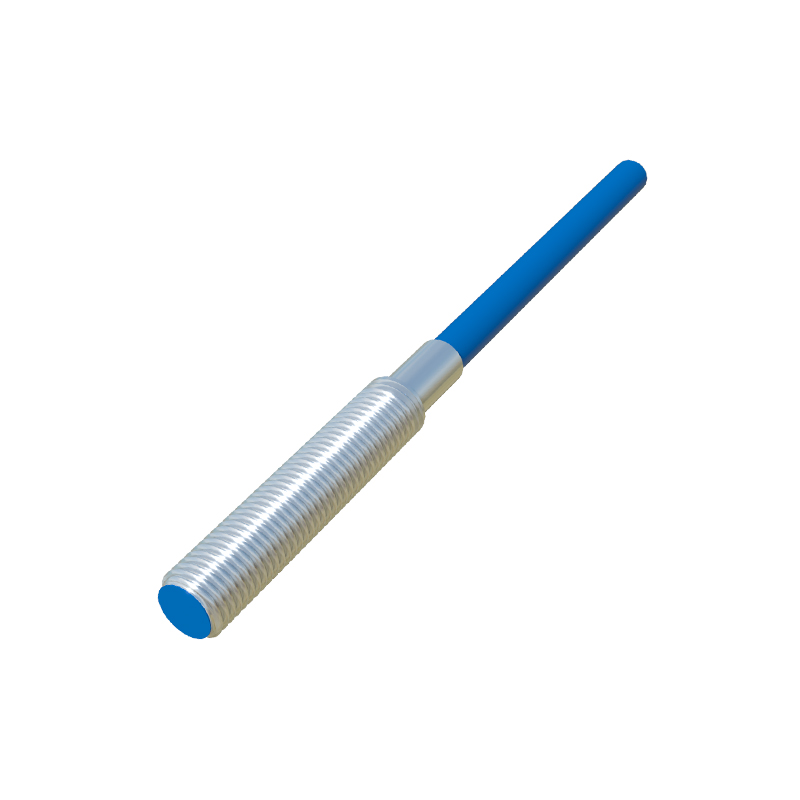
The primary function of these switches is speed monitoring and control. They are indispensable in applications such as conveyor belt systems, where maintaining a specific speed is crucial for synchronization with other processes. In motor and pump applications, they monitor for under-speed or over-speed conditions. An under-speed condition might indicate a slipping drive belt or an overloaded motor, while over-speed can signal a loss of load or a control failure, both of which can lead to catastrophic equipment damage or safety hazards. The proximity switch provides the real-time data needed to trigger alarms or initiate automatic shutdowns.
Another vital role is in safety interlocking. On machinery with rotating parts like presses, rollers, or turbines, it is imperative to confirm that the system has come to a complete stop before allowing access for maintenance. Speed sensing proximity switches provide a failsafe confirmation of zero speed, interlocking with guard doors or safety gates to prevent accidental startup. This function is often integral to meeting stringent international safety standards like ISO 13849.
Furthermore, these devices are pivotal for preventive maintenance and diagnostics. By trending speed data over time, engineers can identify gradual changes in machine performance. For instance, a gradual decrease in the speed of a fan driven by a motor might indicate bearing wear or buildup of material on the fan blades. Early detection through continuous monitoring allows for scheduled maintenance, avoiding unplanned downtime and costly repairs.
The advantages of using proximity switches for speed sensing are numerous. Their non-contact operation eliminates mechanical wear and tear, granting them a significantly longer service life compared to mechanical tachometers. They are not affected by lubrication, dirt, or moisture (provided they have an appropriate IP rating), making them robust for harsh industrial environments. They offer high switching frequencies, capable of detecting very high speeds with precision. Modern designs are also highly resistant to electrical noise (EMI), ensuring signal integrity in electrically noisy plant environments.
When selecting a speed sensing proximity switch, several factors must be considered. The type of target material dictates whether an inductive, capacitive, or ultrasonic sensor is required. The required sensing distance and the size and geometry of the target are critical for proper installation and gap setting. Environmental conditions such as temperature, presence of chemicals, or washdown requirements demand sensors with suitable housing materials and ingress protection (IP) ratings. Finally, the output signal type (PNP/NPN, NAMUR, or analog) must be compatible with the downstream controller or PLC.
In conclusion, speed sensing proximity switches are far more than simple on/off devices. They are sophisticated monitoring tools that form the sensory backbone of modern industrial systems. By providing accurate, reliable, and contactless speed data, they enable precise control, ensure operational safety, and facilitate predictive maintenance strategies. Their integration is a testament to the pursuit of efficiency and reliability in automated processes, making them an indispensable component for engineers designing and maintaining the machinery that drives industry forward.