Laser float level sensors represent a significant advancement in industrial level measurement technology, offering high precision and reliability in challenging environments. These sensors operate on the principle of time-of-flight measurement, where a laser beam is directed towards the surface of a liquid or solid material. The sensor calculates the distance to the surface by measuring the time it takes for the laser pulse to reflect back to a detector. This non-contact method eliminates issues related to material adhesion, corrosion, or contamination that often plague traditional contact-based sensors like floats or capacitive probes.
In industrial settings, laser float level sensors are particularly valued for their accuracy, often achieving millimeter-level resolution. They are commonly deployed in storage tanks for chemicals, fuels, and bulk solids, where continuous and precise level monitoring is critical for process control and inventory management. The ability to measure from a distance also makes them ideal for applications involving hazardous, high-temperature, or pressurized substances, as the sensor can be mounted safely outside the vessel.
Key components of a laser float level sensor include a laser diode emitter, a photodetector, and sophisticated signal processing electronics. The emitter generates short pulses of coherent light, typically in the infrared or visible spectrum, which are focused into a narrow beam. When the beam strikes the target surface, a portion of the light is reflected back. The photodetector captures this return signal, and the onboard microprocessor calculates the distance based on the known speed of light. Advanced models incorporate features like automatic calibration, temperature compensation, and interference filtering to enhance performance in variable conditions.
One of the primary advantages of laser sensors is their versatility. They can measure a wide range of materials, including transparent liquids, opaque slurries, and granular solids, by adjusting the laser intensity and detection algorithms. However, certain limitations exist. Factors such as heavy vapor, dust, or foam on the surface can attenuate or scatter the laser beam, leading to measurement errors. To mitigate this, some sensors use multiple echo processing or frequency modulation techniques to distinguish true surface reflections from noise.
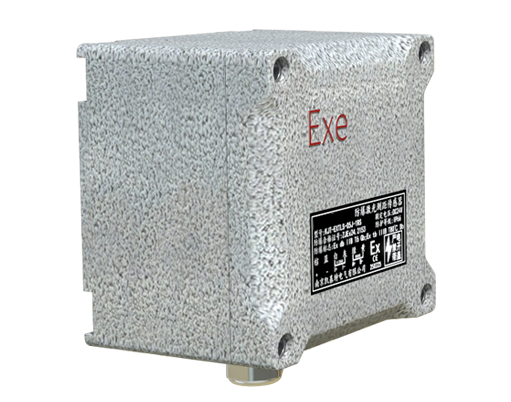
Installation and maintenance considerations are straightforward compared to mechanical alternatives. Since there is no physical contact with the medium, wear and tear are minimal, reducing downtime and maintenance costs. Regular cleaning of the optical window is usually sufficient to ensure long-term accuracy. Integration with industrial control systems is facilitated through standard output signals like 4-20 mA, HART, or digital protocols such as Modbus or PROFIBUS, allowing for seamless data acquisition and automation.

In conclusion, laser float level sensors provide a robust solution for modern industrial measurement needs. Their precision, non-contact operation, and adaptability make them a preferred choice in sectors ranging from petrochemicals and pharmaceuticals to water treatment and food processing. As technology evolves, ongoing improvements in laser efficiency and data analytics are expected to further expand their applications, driving efficiency and safety in industrial operations worldwide.