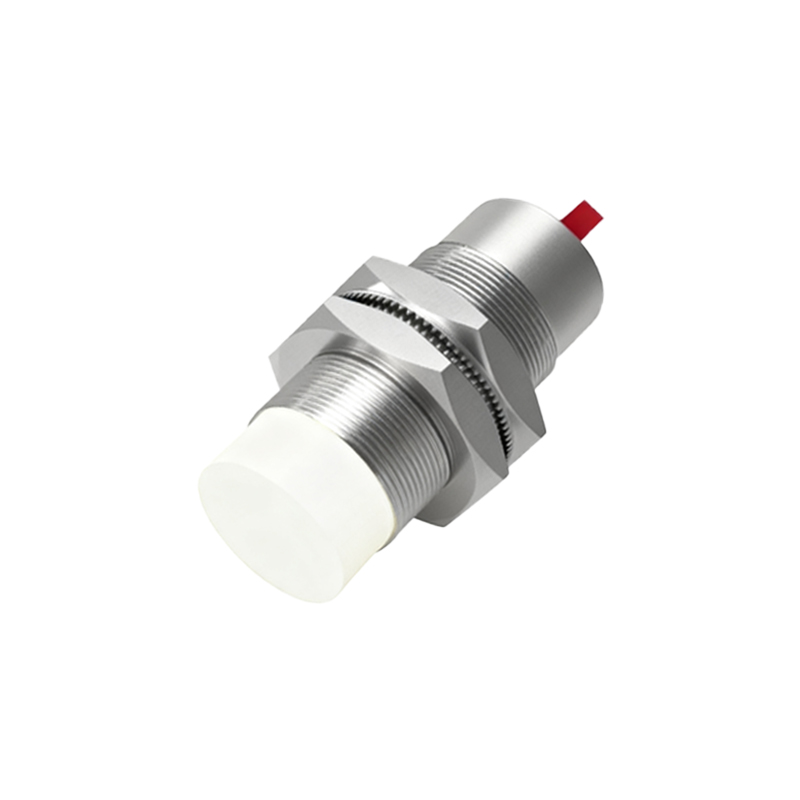
In the intricate world of industrial automation and precision machining, CNC proximity switch sensors stand as silent, yet indispensable, sentinels. These non-contact electronic devices are fundamental components within Computer Numerical Control (CNC) systems, designed to detect the presence or absence of a target object without any physical contact. Their primary function is to provide critical positional feedback, ensuring the accuracy, repeatability, and safety of automated processes. Operating on various principles such as inductive, capacitive, and magnetic sensing, they convert the detection of a metallic or non-metallic object into an electrical signal that the CNC controller can interpret.
The importance of these sensors in a CNC environment cannot be overstated. In machining centers, lathes, and milling machines, they are strategically deployed for tasks like tool length and diameter setting, workpiece positioning, and limit switching. For instance, an inductive proximity sensor can precisely detect when a cutting tool has reached a specific reference point, enabling automatic tool calibration and compensation for wear. This eliminates manual measurement errors and significantly reduces setup time, directly contributing to enhanced productivity. Furthermore, they act as safety devices by preventing machine crashes. By defining the physical boundaries of axis movement, limit switches—often proximity sensors—halt motion before a collision occurs, protecting expensive machinery and tooling from catastrophic damage.
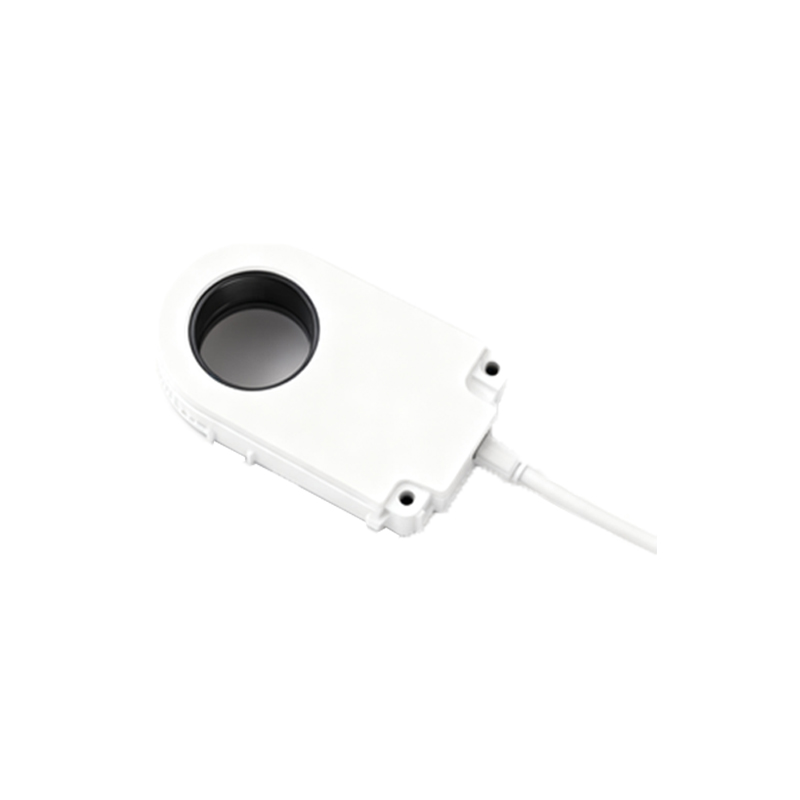
Beyond basic positioning, advanced applications include part presence verification on pallets, monitoring of automatic door systems on enclosures, and ensuring correct fixture clamping. In high-speed robotic loading and unloading systems integrated with CNC machines, proximity sensors provide the essential "eyes" that confirm a part is correctly picked, placed, or oriented before a machining cycle begins. This level of verification is crucial for maintaining uninterrupted production flow and achieving "lights-out" manufacturing capabilities. The reliability of these sensors is paramount; they must perform consistently in harsh industrial environments filled with coolant mist, metal chips, vibrations, and electromagnetic interference. Modern sealed, ruggedized housings and noise-immune circuitry are engineered specifically to meet these challenges.
Choosing the right CNC proximity sensor involves careful consideration of several technical parameters. Sensing range, response frequency, output type (PNP/NPN, analog, or IO-Link), and housing material are all critical factors. An inductive sensor with a 5mm range might be perfect for detecting a tool holder, while a capacitive sensor could be necessary for sensing non-metallic materials like plastics or liquids in auxiliary systems. The integration of smart sensors with IO-Link communication is a growing trend, allowing for real-time monitoring of sensor health, temperature, and switch point diagnostics, thereby enabling predictive maintenance strategies.
In conclusion, CNC proximity switch sensors are far more than simple on/off switches. They are the foundational elements of feedback and control that bridge the digital instructions of a CNC program with the physical world of machining. Their role in ensuring precision, safeguarding equipment, optimizing cycle times, and enabling advanced automation is absolutely critical. As manufacturing evolves towards greater connectivity and intelligence within Industry 4.0 frameworks, the humble proximity sensor continues to evolve, becoming smarter and more integral to the seamless, efficient, and safe operation of modern CNC machinery. Their silent operation belies their profound impact on manufacturing quality, cost, and capability.