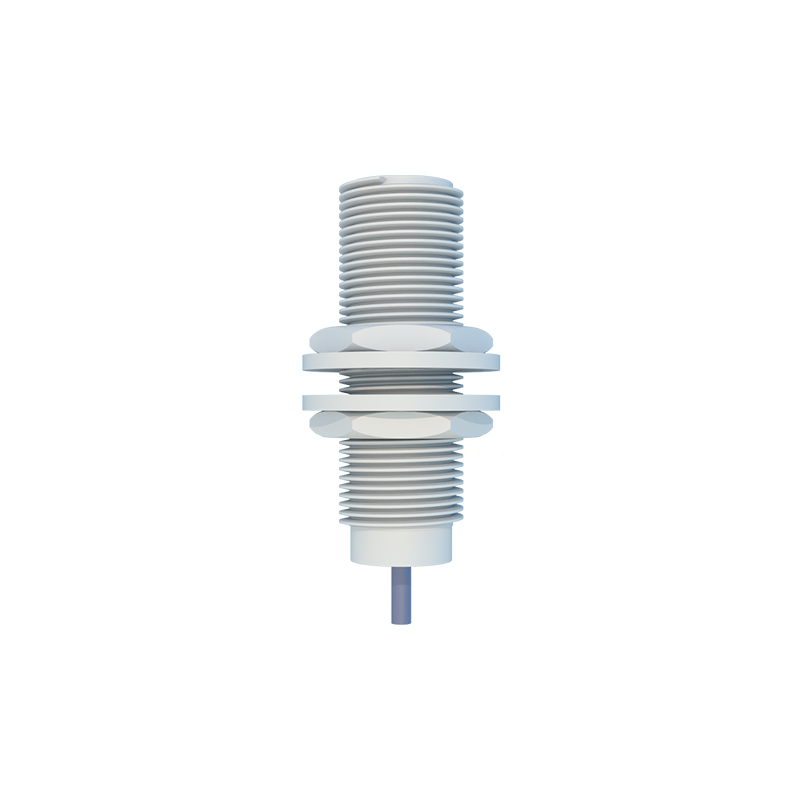
In the realm of industrial automation and smart manufacturing, proximity sensors play a pivotal role in enabling non-contact detection of objects. Among the various types available, green proximity sensors have garnered significant attention due to their enhanced performance and environmental benefits. This article delves into the working principle of green proximity sensors, exploring their operational mechanisms, key components, and advantages in contemporary applications.
Green proximity sensors typically refer to sensors designed with eco-friendly materials and energy-efficient operation, often incorporating LED-based technology that emits light in the green spectrum. The core principle revolves around the use of electromagnetic or optical methods to detect the presence, absence, or position of an object without physical contact. Most green proximity sensors operate on the inductive or capacitive sensing principle, but optical variants using green LEDs are also common for specific applications.
Inductive green proximity sensors are primarily used for detecting metallic objects. They consist of an oscillator circuit that generates a high-frequency electromagnetic field around the sensor's active surface. When a metallic object enters this field, eddy currents are induced in the object, causing a change in the oscillation amplitude. This change is detected by the sensor's circuitry, which then triggers an output signal. The "green" aspect often relates to the sensor's low power consumption and use of recyclable materials, reducing environmental impact. For instance, many models now employ lead-free components and comply with RoHS (Restriction of Hazardous Substances) directives, aligning with sustainability goals.
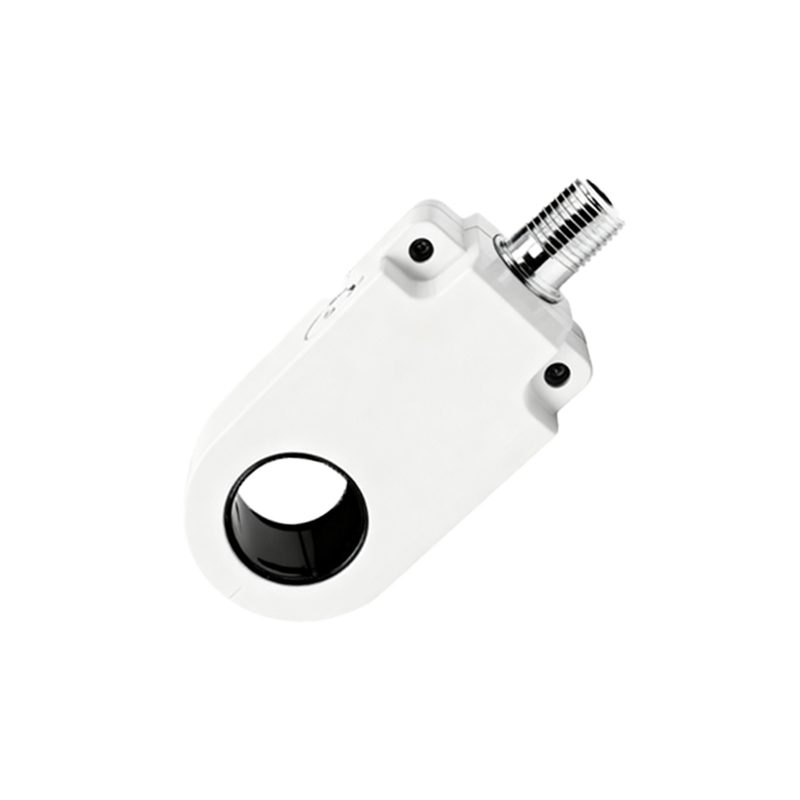
Capacitive green proximity sensors, on the other hand, can detect both metallic and non-metallic objects, such as plastics, liquids, or wood. These sensors function by generating an electrostatic field between the sensor electrode and the ground. When an object enters this field, it alters the capacitance, leading to a change in the oscillator frequency or amplitude. This variation is processed to produce an output. Green capacitive sensors often feature energy-saving modes and are built with environmentally safe materials, minimizing waste during disposal. Their ability to operate with low power makes them ideal for battery-powered devices, contributing to energy conservation in automated systems.
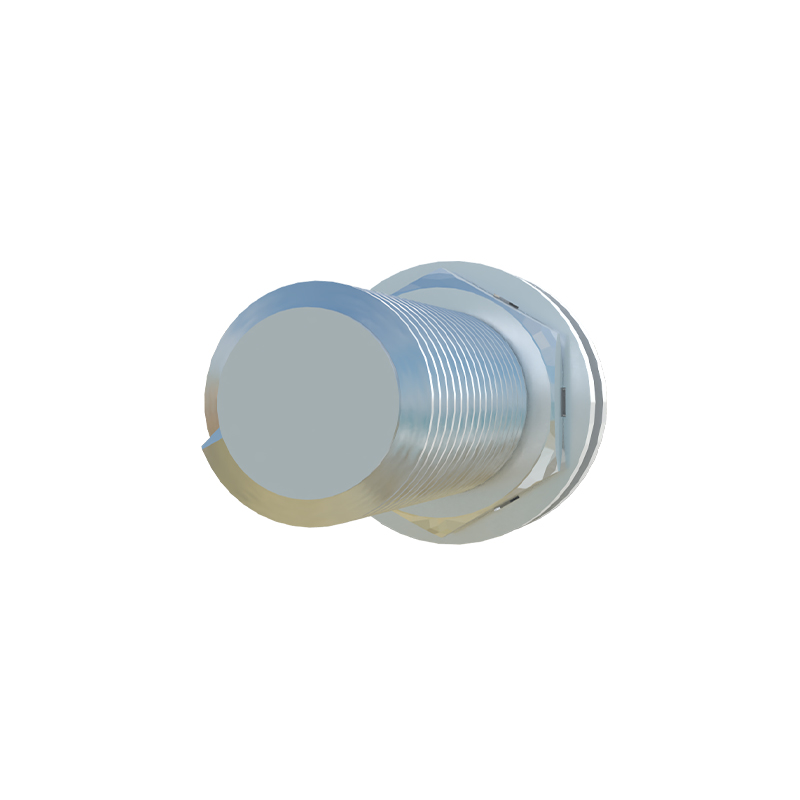
Optical green proximity sensors utilize a green LED as a light source, paired with a photodetector. The sensor emits green light, which is reflected off a target object and captured by the receiver. The intensity of the reflected light indicates the object's proximity. Green light is chosen for its visibility and efficiency in certain environments, as it can reduce interference from ambient light compared to other wavelengths. These sensors are commonly used in applications requiring precise detection, such as in consumer electronics or clean energy setups. The green designation here also emphasizes the LED's low energy usage and longer lifespan, which decreases replacement frequency and electronic waste.
The advantages of green proximity sensors extend beyond their detection capabilities. They offer improved reliability and durability, often featuring robust housings made from sustainable materials. Additionally, their energy-efficient design leads to lower operational costs and reduced carbon footprints, supporting green initiatives in industries like automotive, packaging, and renewable energy. For example, in electric vehicle manufacturing, these sensors help optimize assembly lines while adhering to environmental regulations.
In summary, green proximity sensors integrate advanced sensing technologies with eco-conscious design. By understanding their working principles—whether inductive, capacitive, or optical—engineers can select the appropriate sensor for specific tasks, enhancing automation efficiency while promoting sustainability. As industries continue to prioritize green solutions, the adoption of such sensors is expected to grow, driving innovation in smart, environmentally friendly automation systems.