Laser sensor modules represent a cornerstone technology in modern industrial automation, measurement, and control systems. These devices utilize the coherent and highly directional properties of laser light to perform precise, non-contact detection, measurement, and positioning tasks. At their core, most laser sensor modules consist of a laser diode emitter, a photodetector receiver (such as a CCD or PSD), and sophisticated signal processing electronics. The fundamental operating principle involves the emitter projecting a focused laser beam onto a target object. The interaction of this beam with the target—whether through reflection, diffusion, or interruption—is captured by the receiver. The onboard electronics then analyze the received light signal, often using time-of-flight (ToF), triangulation, or phase-shift measurement techniques, to calculate parameters like distance, displacement, presence, or profile.
The advantages of laser sensors are numerous and drive their widespread adoption. They offer exceptionally high accuracy and resolution, often down to the micrometer level, which is unattainable by many other sensing technologies. Their non-contact nature eliminates mechanical wear and prevents damage to both the sensor and delicate target objects. Laser sensors provide fast response times, suitable for high-speed production lines. Furthermore, the focused beam allows for precise measurement of small objects or specific points, even in challenging environments, though ambient light interference must be managed.

Applications for laser sensor modules span virtually every industry. In manufacturing, they are indispensable for precise dimensional gauging, part presence verification, robotic guidance, and contour profiling. In logistics and warehousing, they facilitate object counting, height measurement, and barcode scanning. The automotive industry relies on them for assembly alignment and gap control. Emerging fields like autonomous vehicles use LiDAR (Light Detection and Ranging), a sophisticated form of laser sensing, for environmental mapping and obstacle detection. Additionally, they are found in consumer electronics for features like autofocus and gesture recognition.
Selecting the appropriate laser sensor module requires careful consideration of several key parameters. The required measurement range and stand-off distance are primary factors. Resolution and repeatability specifications must align with the application's tolerance needs. The type of output (e.g., analog voltage/current, digital switch, serial data) must be compatible with the host controller. Environmental conditions such as temperature, humidity, dust, and ambient light levels dictate the necessary ingress protection (IP) rating and housing material. Target properties—including color, surface finish (shiny vs. matte), and material—can significantly affect reflectivity and must be accounted for, sometimes requiring sensors with automatic background suppression or specialized filters. Finally, form factor, mounting options, and connectivity are practical concerns for integration.
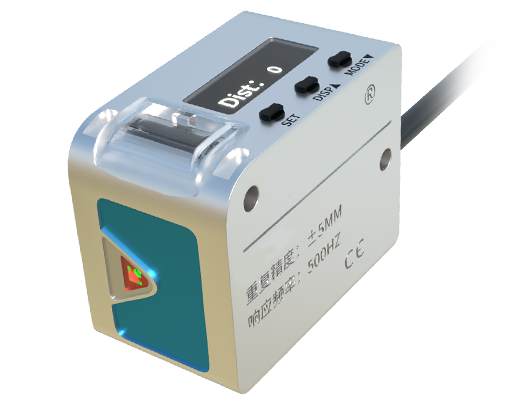
Installation and commissioning are critical for optimal performance. Proper alignment of the sensor to the target is paramount. Electrical connections must follow the manufacturer's guidelines to prevent damage. Many modern modules feature teach-in functions or software interfaces for easy configuration of switching points, output logic, and filtering parameters. Regular maintenance typically involves keeping the lens clean from dust and debris to ensure signal integrity.
In conclusion, laser sensor modules are powerful, versatile tools that enable high-precision automation and quality control. Understanding their operating principles, key benefits, diverse application areas, and selection criteria is essential for engineers and system integrators to harness their full potential. As technology advances, we can expect these modules to become even more compact, intelligent, and integrated with industrial communication networks, further solidifying their role in the smart factories and systems of the future.
