In the realm of industrial automation, cylindrical proximity sensors are indispensable components, providing non-contact detection of metallic and, in some cases, non-metallic objects. Their pricing is a critical consideration for engineers, procurement specialists, and system integrators. The cost of a cylindrical proximity sensor is not a single figure but a spectrum influenced by a confluence of technical specifications, performance characteristics, and market dynamics.
At the core of the price structure lies the sensing technology. Inductive sensors, designed for detecting ferrous and non-ferrous metals, are generally the most cost-effective entry point. Their widespread use and mature manufacturing processes keep prices competitive. Capacitive sensors, capable of detecting a broader range of materials including liquids, plastics, and wood, typically command a higher price due to their more complex circuitry and calibration requirements. Ultrasonic and photoelectric cylindrical sensors, offering longer sensing ranges or specific material detection capabilities, reside at the premium end of the price scale.
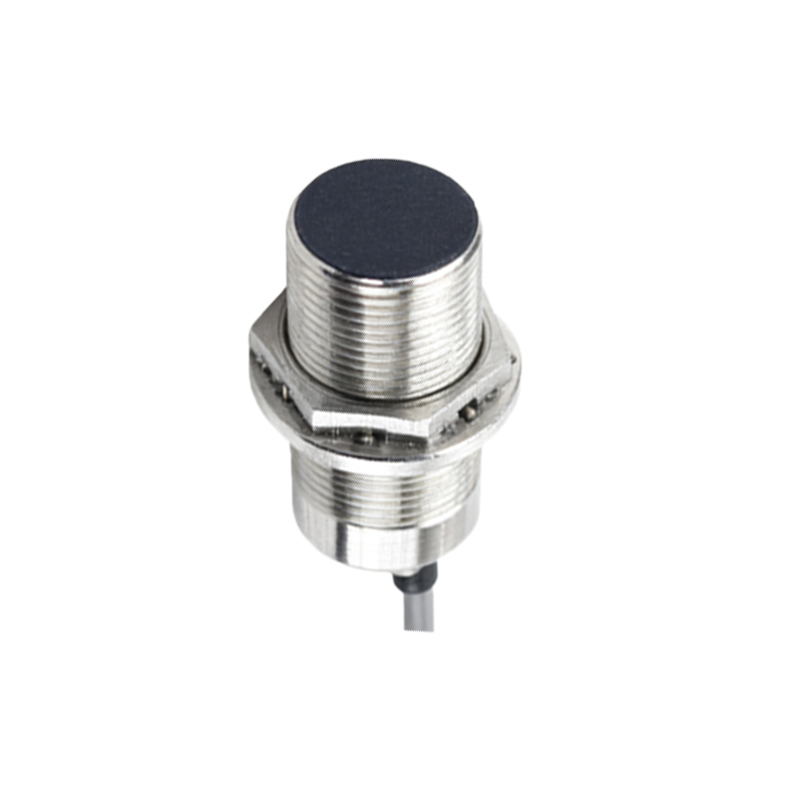
The physical construction and materials significantly impact cost. Housing material is a primary factor; stainless steel housings, offering superior corrosion resistance for harsh environments (e.g., food processing, chemical plants), are more expensive than nickel-plated brass or PBT plastic housies. The ingress protection (IP) rating, such as IP67 or IP69K, directly correlates with cost. A sensor rated for high-pressure washdowns requires more sophisticated sealing techniques and robust materials, increasing its manufacturing expense. The size or thread diameter (e.g., M8, M12, M18, M30) also plays a role, with larger sensors often costing more due to increased material usage, though miniaturized versions can also be premium due to precision engineering.
Performance specifications are key price drivers. Sensing distance is paramount; a standard 5mm range inductive sensor is commonplace and affordable, while a 15mm or 20mm range version of the same size will be priced higher due to design complexities. Switching frequency, or response speed, influences cost. High-speed sensors capable of thousands of operations per second, essential for high-throughput packaging or assembly lines, utilize faster electronics and are priced accordingly. Output type is another consideration. Basic two-wire DC sensors are economical, while three-wire DC (PNP/NPN) or four-wire (dual-output) versions, and especially analog output (4-20mA, 0-10V) or IO-Link enabled sensors, add layers of functionality and cost. IO-Link sensors, which provide detailed diagnostic data and parameterization, represent a significant value-add and price premium.
Brand reputation and supply chain positioning are undeniable factors. Established global brands (e.g., Siemens, Omron, Pepperl+Fuchs, Balluff, ifm) invest heavily in research, development, quality control, and global support networks. This brand equity and reliability are reflected in their pricing, which is often higher than that of generic or regional manufacturers. However, these brands may offer better long-term value through durability, consistency, and technical support. Lead times and availability can also cause price fluctuations, especially during global component shortages.
Finally, the purchase volume and distribution channel affect the final price. OEMs purchasing in bulk for machine building can secure substantial discounts compared to an end-user buying a single replacement unit. Buying directly from a manufacturer's representative, through an authorized distributor, or from an online industrial marketplace will yield different price points and levels of service.
In conclusion, evaluating the price of a cylindrical proximity sensor requires a holistic view beyond a simple unit cost. It involves a careful analysis of the application's requirements: the target material, required sensing distance, environmental conditions, needed response speed, and output interface. Specifying a sensor with excessive capabilities for a simple task leads to unnecessary cost, while under-specifying can cause system failures and higher long-term expenses. The most cost-effective strategy is to precisely match the sensor's specifications to the application's demands, considering total cost of ownership, which includes purchase price, installation, maintenance, and potential downtime.