In the realm of industrial automation and machine safety, proximity sensors are indispensable components, providing non-contact detection of metallic and, in some cases, non-metallic objects. While traditional housings are often metallic, the use of engineered plastics for sensor bodies has seen a significant rise. This shift is driven by a complex interplay of technical requirements, cost considerations, and application-specific demands. For engineers specifying these critical components, understanding the implications of plastic housing is paramount.
The primary driver for adopting plastic housings is cost-effectiveness. High-performance engineering plastics, such as PBT (Polybutylene Terephthalate), PPS (Polyphenylene Sulfide), or specially formulated polyamides, offer a substantial reduction in raw material and machining costs compared to stainless steel or brass. This allows for more competitive sensor pricing, especially in high-volume applications. Furthermore, plastic injection molding enables complex geometries that would be prohibitively expensive to machine from metal, allowing for innovative designs that integrate mounting features, cable strain relief, and LED indicators seamlessly.
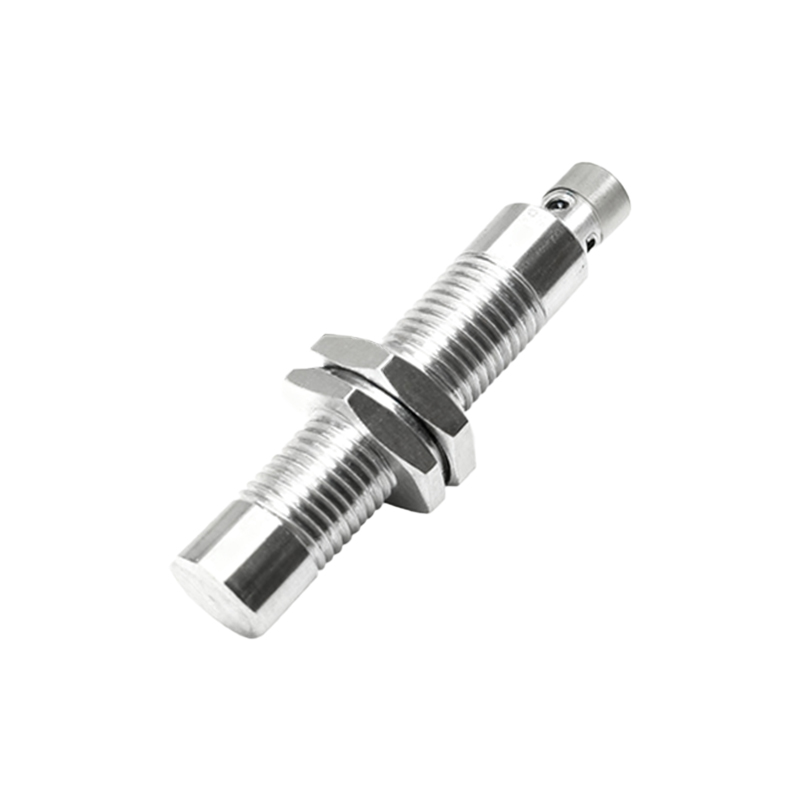
From a performance perspective, plastic housings present distinct advantages and challenges. A key benefit is inherent corrosion resistance. Unlike metals, plastics are immune to rust and highly resistant to a wide range of chemicals, solvents, and cleaning agents commonly found in food & beverage, pharmaceutical, and chemical processing environments. This eliminates the need for additional protective coatings. Additionally, plastics are excellent electrical insulators, enhancing safety and simplifying sensor design by providing built-in isolation.
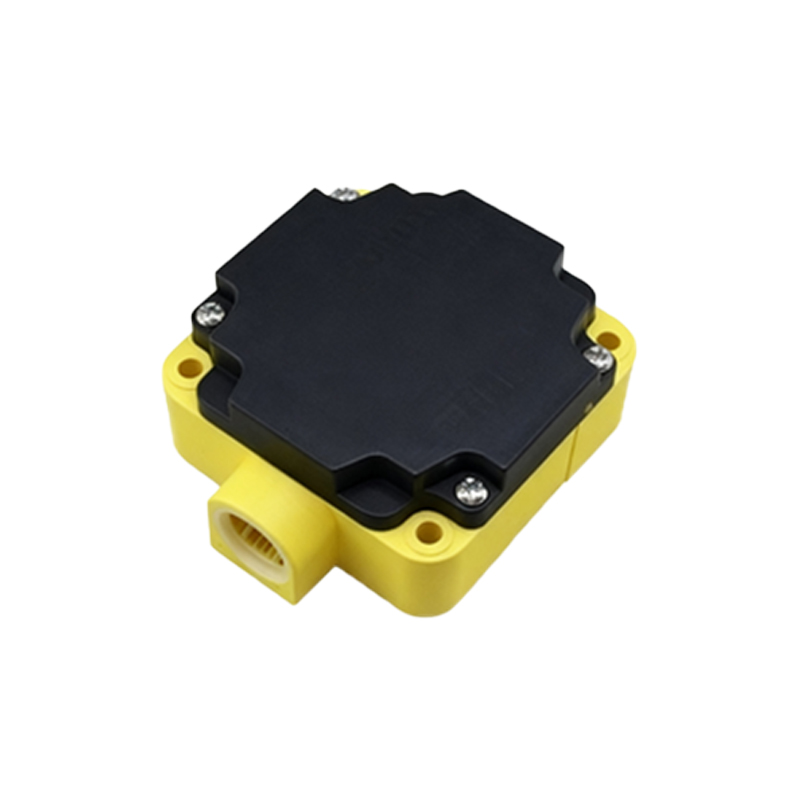
However, the mechanical and thermal properties of plastic require careful evaluation. While advanced composites offer high strength, plastic housings generally have lower impact resistance and tensile strength than their metal counterparts. Engineers must consider potential mechanical abuse in the application environment. Temperature is another critical factor. The operating temperature range of a plastic-housed sensor is dictated by the polymer's thermal characteristics. Continuous exposure to high temperatures near the material's limit can lead to creep, deformation, or embrittlement. For instance, a sensor rated for -25°C to +70°C using standard plastic may fail in a foundry application, where a high-temperature plastic like PPS or a metal housing would be mandatory.
Electromagnetic compatibility (EMC) and sensing performance are crucial engineering considerations. A metal housing acts as a natural Faraday cage, shielding the internal oscillator and amplifier circuitry from external electromagnetic interference (EMI) and radio frequency interference (RFI). A plastic housing provides no such shielding. Therefore, sensors in plastic housings must incorporate internal shielding measures, such as conformal coatings, metalized plates, or ferrite cores, to meet stringent EMC standards (e.g., IEC 60947-5-2). Failure to do so can result in erratic switching, reduced sensing ranges, or false triggers in electrically noisy environments.
The sensing face itself is a critical area. Often, a separate "sensing window" made of a material like PTFE or a specific polyamide is molded into the housing. This material must be carefully selected to minimize the damping effect on the sensor's electromagnetic field. An improper material can drastically reduce the nominal sensing distance (Sn). For capacitive sensors detecting non-metals, the dielectric properties of the housing material are equally important.
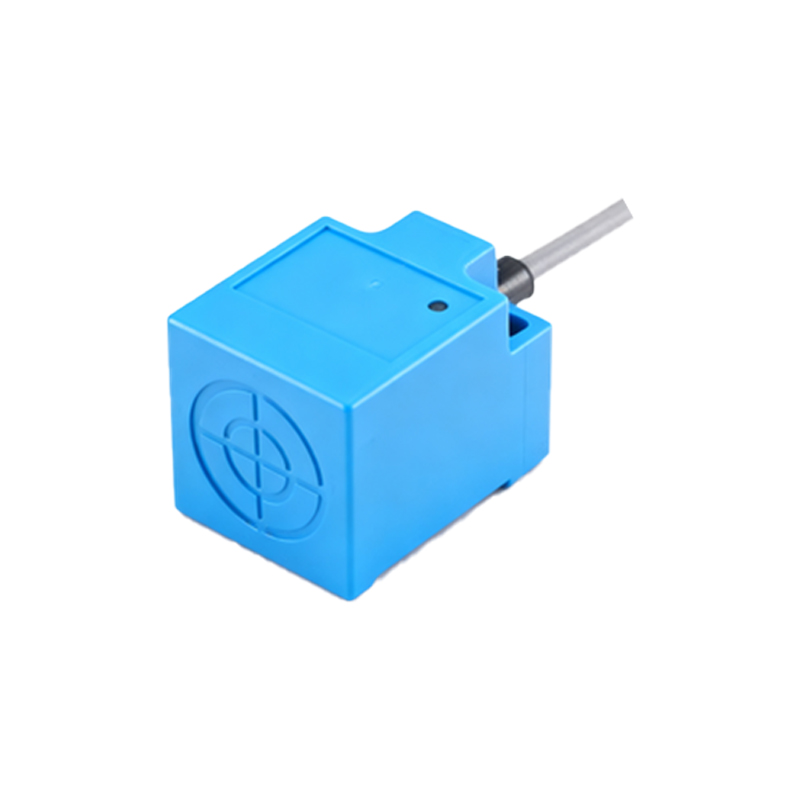
In summary, specifying a proximity sensor with a plastic housing is not merely a cost-down exercise but a deliberate engineering choice. It necessitates a thorough analysis of the application environment: mechanical stress, temperature cycles, chemical exposure, and electrical noise. The advantages of cost, corrosion resistance, and design flexibility are compelling, but they must be balanced against the requirements for mechanical robustness, thermal stability, and ensured EMC performance. By partnering with sensor manufacturers who transparently detail the plastic compounds used, their performance data, and the internal shielding strategies employed, engineers can reliably integrate these versatile components into robust and efficient automated systems.